


The first trimester can feel exciting, surreal, and emotionally overwhelming all at once. Many women spend these early weeks wondering whether what they’re feeling is normal, whether their baby is developing properly, and why their body suddenly feels so different even before a visible bump appears.
At Ferty9, fertility and maternity specialists often remind patients that the first trimester is a period of intense internal change. Even when pregnancy still feels “early,” your body and your baby are already doing an enormous amount of work behind the scenes.
- Know The First Trimester – The first trimester covers week 1 to week 13. During this time, the baby’s brain, heart, spinal cord, and other major organs start developing.
- Expect Different Symptoms – Nausea, tiredness, breast tenderness, bloating, constipation, mood changes, food aversions, frequent urination, and mild cramps are common. Every pregnancy can feel different.
- Eat Well And Hydrate – Eat regular, nutritious meals, drink enough water, take folic acid, and include healthy foods such as leafy vegetables, lentils, eggs, dairy products, whole grains, nuts, seeds, and fruits. Avoid alcohol, smoking, raw or undercooked foods, unpasteurized dairy, high-mercury fish, and too much caffeine.
- Know Warning Signs – Light spotting can happen in early pregnancy. Heavy bleeding, severe or one-sided pain, vomiting that stops you from keeping fluids down, fever, fainting, severe dizziness, or shoulder-tip pain need prompt medical attention.
- Keep Prenatal Care – Your first prenatal visit may include pregnancy confirmation, blood tests, blood pressure checks, due-date calculation, and a discussion about medicines, supplements, and ultrasound. If anxiety or low mood starts affecting your daily life, speak with your doctor.
How Long is the First Trimester?
The first trimester covers:
- Week 1 through week 13
- Roughly the first three months of pregnancy
- The earliest stage of fetal development and placental formation
Pregnancy is counted from the first day of your last menstrual period, even though conception usually happens around week 2. That often surprises people who are newly pregnant because technically, you are considered “two weeks pregnant” before fertilization even occurs.
Why the First Trimester Matters So Much
The first trimester is when nearly all of your baby’s foundational body systems begin forming. The brain, spinal cord, heart, digestive tract, limbs, and facial structures all start developing during these weeks.
This is also why doctors emphasize prenatal care so early. Certain infections, medications, alcohol exposure, smoking, uncontrolled diabetes, and severe nutritional deficiencies may affect fetal development more significantly during this period because organs are forming rapidly.
Current recommendations from the American College of Obstetricians and Gynecologists advise taking folic acid before conception and during early pregnancy because it significantly lowers the risk of neural tube defects such as spina bifida (Source: American College of Obstetricians and Gynecologists).
What happens inside your body during Early Pregnancy
Many women expect pregnancy to “feel real” only after the bump appears. In reality, your body begins adapting almost immediately.
Hormones rise sharply after implantation, particularly human chorionic gonadotropin (hCG) and Progesterone. These hormonal shifts help support the pregnancy, but they are also responsible for many early symptoms.
Progesterone slows digestion, which explains why bloating, constipation, and heartburn often appear early. Increased blood volume forces the heart and kidneys to work harder, which may contribute to fatigue, dizziness, and frequent urination.
Breast tenderness is also extremely common. Some women notice visible veins across the chest before they notice any abdominal changes at all.
First Trimester Symptoms That Are Usually Normal
Not every woman experiences the same symptoms, and symptom intensity can vary even between pregnancies. Some women feel miserable by week 6. Others barely notice symptoms at all.

Common first trimester pregnancy symptoms include:
- Nausea or vomiting
- Extreme tiredness
- Breast tenderness
- Bloating
- Constipation
- Mood swings
- Food aversions
- Increased urination
- Mild cramping
- Heightened sense of smell
One of the biggest misconceptions about early pregnancy is that severe symptoms mean a “strong” pregnancy and mild symptoms mean something is wrong. That simply is not true. Pregnancy symptoms vary widely between healthy pregnancies. – Dr. Anusha Kushanapally
What Morning Sickness Actually Feels Like
“Morning sickness” is often poorly named. For many women, nausea lasts all day and becomes worse when the stomach is empty.
Some women describe it more as motion sickness than stomach illness. Others notice intense food aversions before nausea itself appears. Even the smell of toothpaste, coffee, onions, or cooking oil may suddenly feel unbearable.
Nausea usually peaks between weeks 7 and 10, then gradually improves for many women toward the end of the first trimester. According to the American Pregnancy Association, around 70% of pregnant women experience nausea during early pregnancy (Source: American Pregnancy Association).
First Trimester Baby Development Week by Week
Week 1
You are not technically pregnant yet. Your body is preparing for ovulation, and doctors begin counting pregnancy from the first day of your last period.
If you are trying to conceive, this is the ideal time to begin prenatal vitamins containing folic acid.
Week 2
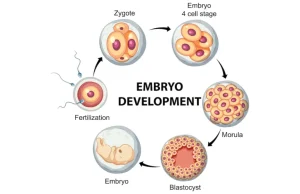
Ovulation usually occurs around this week. If sperm fertilizes the egg, conception happens shortly afterward.
Some women notice mild pelvic discomfort or increased discharge around ovulation. Others feel nothing at all.
Week 3
The fertilized egg begins dividing rapidly while traveling toward the uterus. Implantation has not happened yet, so most women still do not know they are pregnant.
Fatigue or mild cramping may begin for some women as hormone levels start shifting.
Week 4
This is when many women first test positive on a home pregnancy test. Implantation has occurred, and hCG levels begin rising quickly.
You may notice following symptoms:
- Missed period
- Breast soreness
- Fatigue
- Mild bloating
- Light spotting
Light spotting around implantation is fairly common and is usually pink discharge or brown rather than bright red.
Week 5
Hormonal changes intensify this week. Nausea often begins here, though some women notice it later. Your baby’s heart, brain, and spinal cord are beginning to develop.
Current public health guidance recommends at least 400 micrograms of folic acid daily before conception and during early pregnancy to reduce neural tube defects (Source: Centers for Disease Control and Prevention).
Many women are surprised by how profound the fatigue feels during week 5. This is not ordinary tiredness. Some women feel exhausted by midday even after a full night’s sleep.
Week 6
A heartbeat can often be detected on an early ultrasound around this stage, though timing varies depending on implantation and dating. Nausea may worsen significantly this week. Emotional sensitivity often increases too, partly because hormone fluctuations affect neurotransmitters involved in mood regulation.
Small arm and leg buds begin forming now. Facial features also start taking shape.
Week 7
Rapid brain growth continues. Your baby is still tiny, roughly blueberry-sized, but development is happening at remarkable speed. Food aversions often intensify around this time. Many women suddenly cannot tolerate smells they previously liked, including coffee, eggs, garlic, or fried foods.
Anxiety is also common before the first ultrasound. Many women quietly worry about miscarriage during these weeks, especially if they have experienced fertility struggles or previous pregnancy loss.
Week 8
By week 8, the embryo begins looking more recognizably human. Fingers and toes are developing, and the heart now has four chambers. Constipation and bloating often become more noticeable because progesterone slows intestinal movement. Drinking more water and increasing fiber intake may help, though symptoms do not disappear completely for everyone.
Your doctor (gynecologist) may begin discussing first trimester screening options during this stage.
Week 9
The fetus begins moving, although you will not feel those movements yet. Frequent urination often becomes more noticeable because the uterus is enlarging and blood flow to the kidneys increases during pregnancy.
Gentle physical activity usually remains safe in uncomplicated pregnancies. Walking, prenatal yoga, and light stretching may help with energy, digestion, and mood regulation.
Week 10
Your baby officially transitions from embryo to fetus this week. Most major structures are now formed.
Round ligament discomfort may begin appearing as brief pulling or stretching sensations low in the abdomen. These sensations can feel alarming at first, but mild intermittent stretching pain is common as the uterus expands.
Doctors may recommend supplements such as:
- Folic acid
- Iron
- Calcium
- Vitamin D
- Iodine
Supplement needs vary depending on diet, anemia risk, thyroid status, and individual health history.
Week 11
Bone development accelerates, and tooth buds begin forming beneath the gums. Some women notice nausea easing around now, though others continue struggling well into the second trimester. Pregnancy symptoms do not follow identical timelines for everyone.
First trimester screening tests often happen between weeks 11 and 13. These may include blood tests and a nuchal translucency ultrasound to assess the risk of certain chromosomal conditions.
Week 12
Most major organs are now formed. Fingernails, eyelids, and facial structures become more defined. The risk of miscarriage drops significantly after a heartbeat is confirmed and the pregnancy progresses normally into the second trimester, though no stage of pregnancy becomes completely risk-free. Many women finally begin feeling slightly more energetic during this week.
Week 13
You have reached the end of the first trimester. The placenta increasingly takes over hormone production now, which is one reason symptoms often begin easing. Many women notice improved appetite, reduced nausea, and better energy levels during the transition into the second trimester.
Emotionally, this stage often feels important too. Some couples begin sharing their pregnancy news more widely after reaching this milestone.
What to Eat During the First Trimester
Early pregnancy nutrition is less about eating large amounts and more about eating consistently enough to support energy levels, fetal development, and blood sugar stability.
Helpful foods during the first trimester are:
- Leafy green vegetables
- Lentils and legumes
- Eggs
- Dairy products
- Whole grains
- Nuts and seeds
- Fresh fruit
- Protein-rich snacks
If nausea makes full meals difficult, smaller meals every two to three hours may feel more manageable than forcing large meals.
Many women worry unnecessarily when nausea limits healthy eating for a few weeks. In most cases, temporary food aversions are not harmful if hydration is maintained and prenatal vitamins continue.
Foods and Drinks to Avoid During Early Pregnancy
Doctors typically recommend avoiding:
- Alcohol
- Raw seafood
- Undercooked meat
- Unpasteurized dairy
- High-mercury fish
- Excess caffeine
Current guidelines from the American College of Obstetricians and Gynecologists recommend limiting caffeine intake to under 200 mg daily during pregnancy (i.e. one small coffee or two cups of tea) (Source: American College of Obstetricians and Gynecologists).
Energy drinks may contain surprisingly high caffeine levels, so are not recommended.
Is Bleeding Normal During the First Trimester?
Light spotting can happen during early pregnancy and does not always signal miscarriage.
But heavy bleeding, bright red bleeding, or bleeding with significant pain should never be ignored. Doctors also pay close attention to one-sided abdominal pain because ectopic pregnancy can become dangerous quickly if untreated.
Please Seek urgent medical attention if bleeding occurs alongside:
- Severe cramping
- Shoulder tip pain
- Fever
- Dizziness
- Fainting
- Large blood clots
Upper Abdominal Pain During the First Trimester
Upper abdominal pain in the first trimester is common and usually caused by:
- Gas and bloating (from slowed digestion)
- Heartburn and acidity (hormones relax the stomach valve)
- Round ligament stretching
- Constipation pressure
See your doctor if the pain is severe, one-sided, persistent, or comes with fever, bleeding, or shoulder tip pain.
Read more about Upper abdominal Pain during first trimester
When First Trimester Symptoms Need Medical Attention
Some symptoms deserve prompt medical assessment, even though many pregnancy symptoms are harmless.
Contact your doctor urgently if you experience:
- Heavy Vaginal Bleeding
- Severe Abdominal Pain
- Persistent Vomiting preventing Fluids
- High fever
- Fainting
- Severe dizziness
- Blurred vision
- Swelling of the hands or face
- Pain concentrated on one side
These symptoms do not automatically mean something serious is happening. But they should always be evaluated promptly.
What the First Prenatal Appointment Usually Involves
Many women feel anxious before the first prenatal visit because they are unsure what actually happens there. The first appointment often includes:
- Pregnancy confirmation
- Medical history review
- Blood tests
- Blood pressure check
- Estimated due date calculation
- Discussion of medications and supplements
- Ultrasound scheduling
Doctors may also ask about previous pregnancies, miscarriage history, thyroid disease, diabetes, or fertility treatment because these factors can influence monitoring plans.
Taking Care of Your Emotional Health
The emotional side of the first trimester often receives less attention than physical symptoms, even though many women find it equally challenging.
Some women feel deeply connected to the pregnancy immediately. Others feel anxious, detached, overwhelmed, or emotionally conflicted at times. All of those responses can be normal.
The waiting period before scans can feel especially long after infertility treatment or previous pregnancy loss. Many women quietly monitor every symptom, searching for reassurance that things are progressing normally.
Simple things that may genuinely help include:
- Sleeping whenever your body allows it
- Staying hydrated
- Taking short walks
- Eating small regular meals
- Accepting help from family or friends
- Limiting exposure to frightening online stories
If anxiety, panic, sadness, or low mood begin affecting daily functioning, speak with your doctor. Mental health support during pregnancy matters just as much as physical care.
Scientific References & Clinical Sources
- Centers for Disease Control and Prevention : Folic Acid Helps Prevent Some Birth Defects
- American College of Obstetricians and Gynecologists: Nutrition During Pregnancy
- American Pregnancy Association: Morning Sickness During Pregnancy
- National Health Service (NHS UK): Your Pregnancy and Baby Guide














 No need to worry, your data is 100% safe with us!