


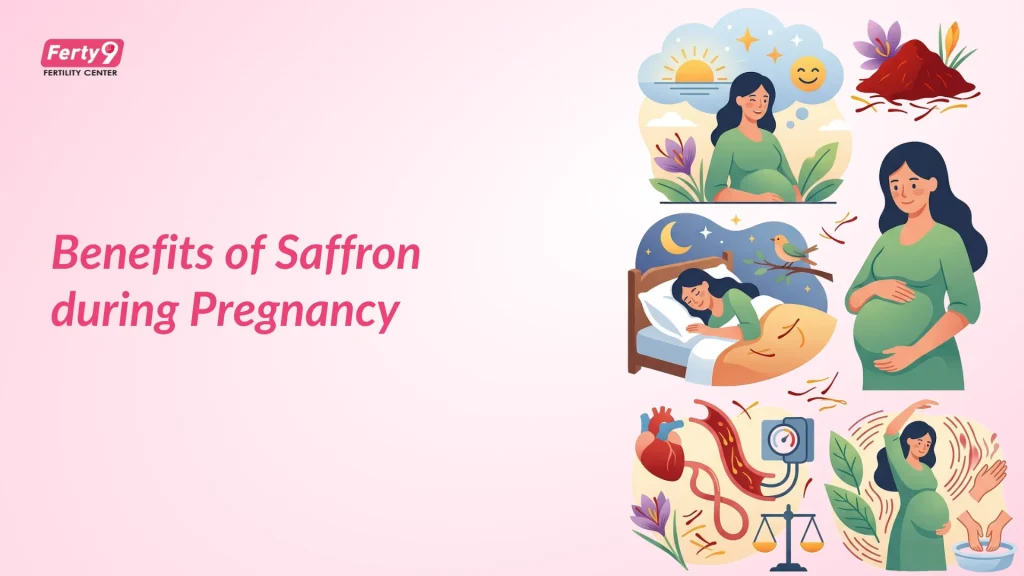
In almost every Indian household, the moment a woman announces her pregnancy, elders bring out the “Kesar Doodh” (saffron milk). Saffron is a treasured spice in our culture, believed to bring health, warmth, and strength to both the mother and the baby. But with so much traditional advice floating around, it is natural to wonder: Is it actually safe? How much should you take? And does it really make a difference?
While saffron in pregnancy is widely celebrated, it is important to separate medical facts from cultural myths. Here is everything you need to know about using this golden spice safely during your nine-month journey.
- Saffron Can Be Taken During Pregnancy in Small Amounts – 2 to 3 saffron strands per day are presented as a safe amount, while excessive intake may cause harmful effects during pregnancy.
- The Second Trimester Is the Suggested Time to Start – Saffron consumption is advised from around the fourth month of pregnancy, rather than during the first trimester when the pregnancy is still stabilizing.
- Saffron May Support Mood, Digestion, and Sleep – The article highlights possible benefits such as easing mood changes, reducing bloating and constipation, and supporting better sleep during pregnancy.
- Too Much Saffron May Trigger Uterine Contractions – Excessive intake can stimulate the uterine muscles and may lead to cramping, spotting, early labour, dizziness, weakness, or very low blood pressure.
- Saffron Does Not Change a Baby’s Skin Colour – A baby’s skin colour is determined by genes inherited from the parents, so consuming saffron cannot make the baby’s complexion lighter.
What Is Saffron and Where Does It Come From?
Saffron, locally known as Kesar or Zafran, is the most expensive spice in the world. It is derived from the delicate crimson threads of the Crocus sativus flower. In India, the highest quality saffron is grown in the cool valleys of Kashmir. Because it is hand-picked, it is highly prized for its vibrant colour, rich aroma, and medicinal properties.
Key Nutrients and Active Compounds in Saffron
Saffron is much more than just a food colouring. It is packed with essential nutrients that support a healthy body. It contains powerful antioxidants (like crocin), alongside traces of important vitamins and minerals such as Vitamin C, Vitamin B6, potassium, iron, and magnesium.
Is Saffron Safe During Pregnancy?
Recommended Intake and Safe Dosage
Yes, saffron is safe during pregnancy, but moderation is the golden rule. Because it is a heat-producing (ushna) spice in Ayurveda, taking too much can be harmful. The medically safe dosage is just 2 to 3 strands (threads) per day.
When Pregnant Women Can Start Consuming Saffron
Doctors highly recommend waiting until your second trimester (around the 4th month) to start consuming kesar. During the first trimester, your pregnancy is still stabilizing, and because saffron generates heat in the body, excessive amounts early on could potentially stimulate the uterus and increase the risk of miscarriage.
Major Benefits of Saffron During Pregnancy
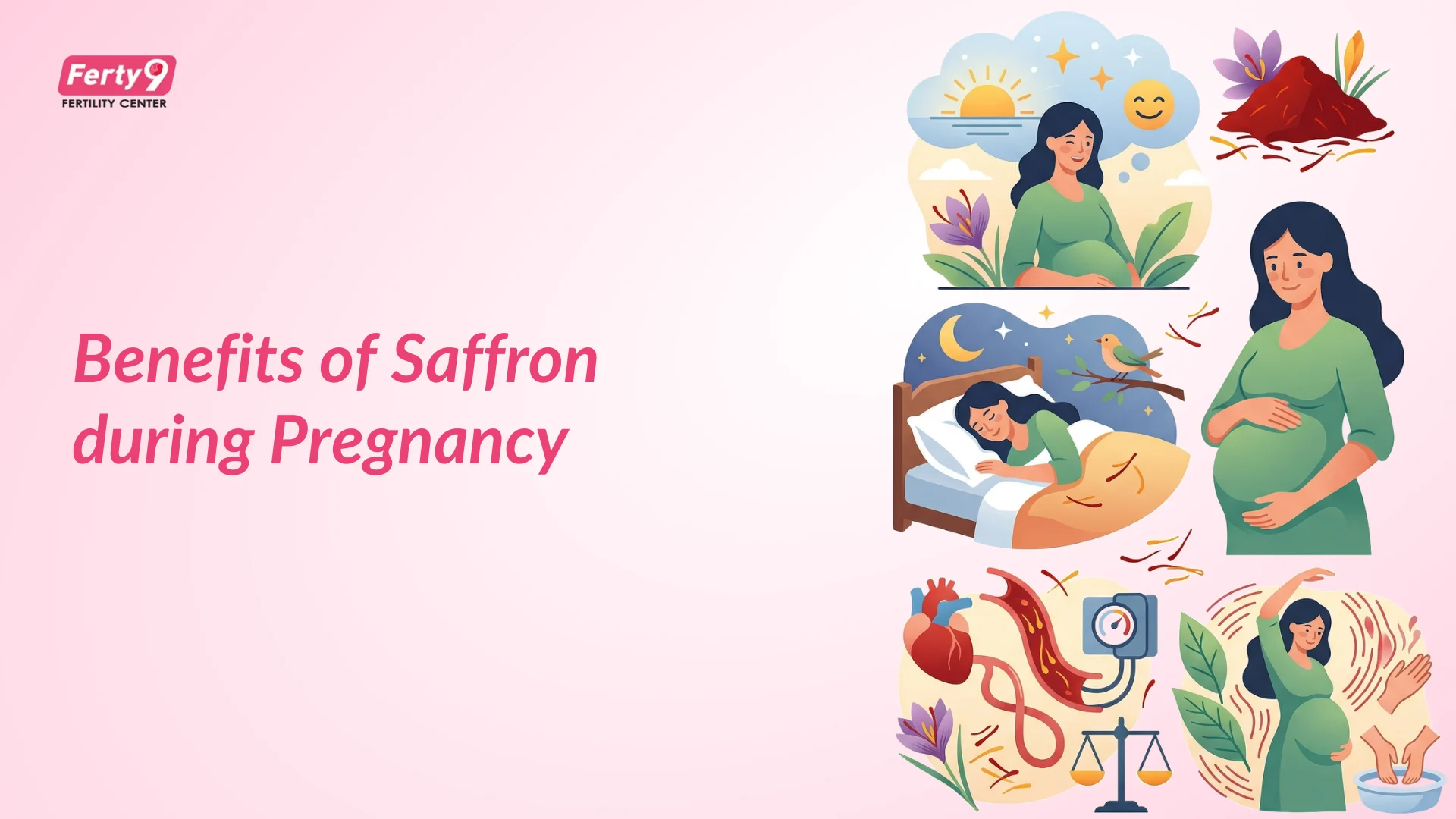
When taken at the right time and in the right amounts, the benefits of kesar during pregnancy are wonderful for a mother’s changing body.
Helps Improve Mood and Reduce Pregnancy Stress
Pregnancy hormones can take you on an emotional rollercoaster, leading to anxiety and sudden mood swings. Saffron acts as a natural anti-depressant. It helps boost the production of serotonin (the “happy chemical” in your brain), keeping you calm and relaxed.
Supports Better Digestion and Reduces Bloating
As your baby grows, your digestion slows down, leading to heavy bloating, acidity, and constipation. Saffron is known to improve blood flow to your digestive system, helping your body process food smoother and reducing that uncomfortable heavy feeling.
May Help Regulate Blood Pressure
High blood pressure during pregnancy can be dangerous. The potassium and antioxidants present in saffron help relax your blood vessels, which can gently assist in keeping your blood pressure levels stable.
Provides Powerful Antioxidant Protection
Pregnancy temporarily lowers your immunity. The rich antioxidants in kesar act as a shield, protecting your body from common infections and reducing inflammation, keeping both you and your baby healthy.
May Improve Sleep Quality
Tossing and turning at night? A warm cup of saffron milk in pregnancy before bedtime acts as a mild sedative. It relaxes your muscles, soothes your nerves, and helps you get a deep, uninterrupted night’s sleep.
Traditional Uses of Saffron for Pregnant Women
Cultural Beliefs Around Saffron Consumption
The most famous myth in Indian culture is that drinking kesar milk will give the baby a “fair” complexion. This is a medical myth. A baby’s skin colour is determined 100% by the genes passed down from the parents, not by what the mother eats. However, kesar does give the mother a healthy, radiant “pregnancy glow” by purifying her blood!
Saffron Milk in Pregnancy Traditions
For generations, giving a pregnant woman kesar infused in milk has been a symbol of care. Beyond the myths, this tradition is actually very healthy. The milk provides the much-needed calcium and protein for the baby’s bones, while the kesar aids in digestion and mood regulation.
How to Consume Saffron During Pregnancy Safely
Preparing Saffron Milk
The best and most traditional way to consume it is through milk.
- Warm a glass of milk.
- Add just 2 to 3 pure strands of saffron.
- Let it steep for 5 to 10 minutes until the milk turns a light golden colour.
- Add a little jaggery or sugar if you like, and drink it before bed.
Adding Saffron to Food and Desserts
If you are lactose intolerant or don’t like milk, you can still enjoy kesar. You can soak 2 strands in warm water and add that water to your daily cooking, such as in rice, kheer, upma, or soups.
Potential Side Effects of Excess Saffron Intake
While a couple of strands are healing, taking more than 5-10 grams of saffron a day can be toxic.
Risk of Uterine Contractions
The biggest risk of overconsuming saffron in pregnancy is that it can increase your body temperature and stimulate your uterine muscles. This can lead to heavy cramping, spotting, or even early labour.
Possible Blood Pressure Changes
While it helps stabilize blood pressure, taking too much saffron can cause your blood pressure to drop too low, making you feel dizzy, weak, or prone to fainting.
Expert Advice for Using Saffron During Pregnancy
- Check for Purity: The market is flooded with fake saffron made from dyed corn silk. Always buy ISI-marked or reputed brands of pure Kashmiri or Iranian saffron. Pure saffron takes a few minutes to release its colour in warm water, while fake saffron releases red dye instantly.
- Consult Your Doctor: Always inform your gynaecologist before adding saffron to your daily diet, especially if you have a history of high-risk pregnancy.
Summary
Saffron is a beautiful addition to your pregnancy diet when treated with respect. Waiting until the fourth month and sticking to just 2 or 3 strands a day allows you to safely enjoy the incredible benefits of kesar during pregnancy, from better sleep to improved digestion. Just remember to buy pure kesar and ignore the myths about skin colour—focus instead on the genuine health and warmth it brings to your body.

















 No need to worry, your data is 100% safe with us!