

Female Infertility Treatment
Infertility is a disease that can affect both men and women. For couples dreaming of starting a family, facing challenges with conception can be an emotionally and physically trying experience. However, it’s important to know that you are not alone; approximately 1 in 6 couples around the world face this challenge. With advances in medical science, an early and accurate diagnosis is the most crucial first step toward finding an effective treatment and realizing your dream of parenthood.

What is Female Infertility?
Female infertility, also known as female factor infertility, is defined as the inability to get pregnant after one year of regular, unprotected intercourse. For women over the age of 35, this timeframe is shortened to six months. Infertility is attributed to female factors in about one-third of cases.
Primary vs. Secondary Infertility
It’s helpful to understand the distinction between the two types of infertility diagnoses:
- Primary Infertility is diagnosed when a couple has never been able to conceive a child after trying for the specified timeframe (12 months for women under 35, and 6 months for women over 35).
- Secondary Infertility is diagnosed when a couple is unable to conceive after previously giving birth without aid of fertility treatments.
Types of Female Infertility
Female infertility can be categorized based on the underlying cause
Ovulatory Infertility
Occurs when blocked or damaged fallopian tubes prevent the sperm and egg from meeting or stop an embryo from reaching the uterus.
Tubal Infertility
Since chromosomal abnormalities are a leading cause of early pregnancy loss, PGT lowers this risk.
Uterine Infertility
A condition where the uterus is absent or unable to function correctly.
Symptoms of Female Infertility
Some common signs that may indicate female fertility issues include
Irregular or missed periods
This is a key sign of ovulation disorders, including PCOS.
Endometriosis
Conditions like endometriosis are often associated with painful periods.
Pelvic pain
Pelvic adhesions and Pelvic Inflammatory Disease (PID) can cause pelvic pain.
Hormonal Symptoms
Beyond changes in your menstrual cycle, hormonal imbalances that affect fertility can sometimes show physical symptoms.
- New or worsening acne in adulthood.
- Unwanted hair growth on the face, chest, or back (hirsutism).
- Thinning hair on the scalp. These can be indicators of underlying conditions like Polycystic Ovary Syndrome (PCOS), which is a common cause of infertility.
Causes of Female Infertility
Risk Factors for Female Infertility
Several factors can increase the risk of a woman’s infertility:
Age (35 and above)
Women older than 35 are advised to seek help after only six months of trying to conceive.
Smoking
Unhealthy lifestyle practices such as smoking can lead to ovulation issues.
Alcohol use
Heavy drinking can also lead to problems with ovulation.
Being overweight or underweight
High or low body weight can be a contributing factor to hypothalamic amenorrhea, a cause of ovulatory dysfunction.
Stress
Excess stress can contribute to hypothalamic amenorrhea.
STIs and reproductive tract infections
Pelvic Inflammatory Disease (PID), an infection of the reproductive organs often transmitted through sexual contact, can cause scarring and infertility. PID is a factor for 1 in 10 women with infertility.
When to See a Fertility Specialist
You should consider consulting a fertility specialist if:
You are younger than 35 and have been trying to conceive for over 12 months with regular, unprotected intercourse.
You are older than 35 and have been trying to conceive for six months.
You have irregular or absent periods, which can be a sign of an ovulation disorder.
You have known reproductive health issues, such as endometriosis, PID, or uterine fibroids.
Diagnosis of Female Infertility
The diagnostic process is a critical first step in any fertility journey. By performing these tests, our specialists can identify the underlying cause of infertility. Evaluating the results allows us to create highly personalized and effective treatment plans tailored to your specific needs.
Hormonal Blood Tests
To check levels of FSH, AMH, TSH, and Prolactin to assess ovarian reserve and hormonal function.
Pelvic Ultrasound
A non-invasive scan to assess the uterus, ovaries, and other pelvic organs for issues like fibroids or cysts.
Hysterosalpingography (HSG)
A test to check if the fallopian tubes are open..
Ovarian Reserve Testing
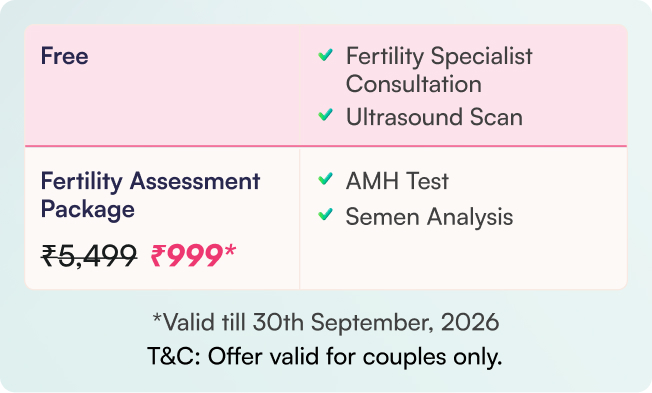
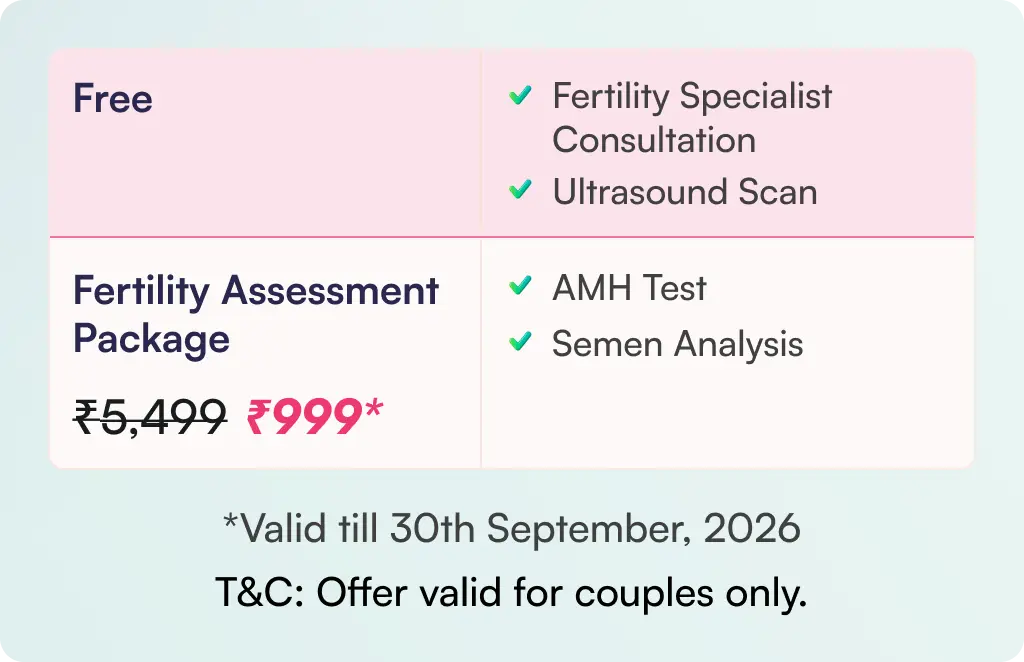
The AMH hormone test is done specifically to assess a woman’s ovarian reserve.
Laparoscopy
A minimally invasive surgery to examine the pelvic organs directly, often used to diagnose endometriosis or scar tissue.
Hysteroscopy
A procedure to examine the inside of the uterus for polyps, fibroids, or other abnormalities.
Treatment Options for Female Infertility
- Lifestyle Modifications: Adopting a healthy lifestyle is important. Factors like smoking and heavy drinking can lead to ovulation issues.
- Fertility Medications: For many women, especially those with ovulation disorders, fertility medications are often the first line of treatment. These are typically oral pills, such as Clomiphene or Letrozole, that work by stimulating the ovaries to produce and release one or more mature eggs (known as ovulation induction).
- IUI (Intrauterine Insemination): IUI is a common fertility treatment where sperm is placed directly into the uterus during ovulation to increase the chance of pregnancy. It is often used for issues like cervical mucus problems or unexplained infertility.
- IVF (In Vitro Fertilization): IVF is a process where eggs are retrieved from the ovaries and fertilized with sperm in a lab. The resulting embryo is then transferred into the uterus. IVF is recommended for issues like blocked tubes, endometriosis, and ovarian problems.
- ICSI (Intracytoplasmic Sperm Injection): ICSI is a specialized form of IVF where a single live sperm is injected directly into an egg in the lab to create an embryo. It is often recommended when male infertility factors are present or when conventional IVF has not been successful.
- Laparoscopic Surgery: This minimally invasive surgery can be used to investigate and treat issues in the pelvic area, such as endometriosis or fibroids, that may be causing infertility.
- Donor Eggs: For couples facing infertility due to inadequate egg production or poor egg quality, egg donation is a vital option.
- Surrogacy: It is a compassionate and effective option for individuals or couples who are unable to carry a pregnancy. This involves another woman, known as a surrogate, who agrees to carry the embryo and deliver the baby.
Why Choose Ferty9 for Female Infertility Treatment
At FERTY9, we combine advanced technology with compassionate care to give you the best chance of success.
Patient Stories
Nothing inspires us more than the success stories of our patients


We had a good nd happy experience. Dr Mrudula priyanka was so good nd treated well. We are happy that we got pregnancy positive n...
We are very happy that we got pregnant positive after taking treatment by Dr.Mrudula Madam n madam’s service is very good and Gre: Veronica has...
Ferty9 secunderabad staff are very friendly there explaining clearly it’s was my first visit dr mrudula mam is very good and she is very friendly...
Iam Sowjanya. Burugupalli, I’m from rajahmundry, I’m very happy to share through ivf treatment I got pregnant, after 4 year’s of my married life, Dr....
Hi this Rupali im very happy to share this new i have baby boy im very happy ferty 9 karimnagar thanks all doctors and staff...
We visited many fertility centers in karimnagar before,but no one took the time to understand our case properly at ferty9 karimnagar Dr.Biji mam checked all...
We pleasure to meet them ferry 9 kurnool branch overall branch members and Dr susrutha mam also treatment excellence and best IVF center in kurnool
We have got positive result after visiting Ferty9’s Vijayawada .we are thankful to Suma Varsha man and team.It is a miracle for us
I’m very much happy We got positive,we became parents now, thankyou so much dr.Tejeswini mam For treating and supporting our team ,the doctor explained everything...
I’m so happy shared with my happiness to all,i have 10 years of marital life , I’m struggling with low quality of eggs so i...
I’m so happy to share my pregnancy journey to you all , i have 3years of marital life and I have pcod problem, so I...
Thank you Ferty 9 Dr.Tejeswini madam and Ferty 9 Family for Finally giving me pregnancy after 20 years of Married Life….Went to Many hospitals and...
Iam so happy to give review on Dr Tejaswini Ma’am. In my 9 yrs of marital life I visited many hospitals due to thyroid and...

Asherman’s Syndrome, also known as intrauterine adhesions, is a condition characterised by the formation of scar tissue inside the uterus. This scar tissue can lead to adhesions or fibrous bands that can obstruct the uterine cavity and interfere with implantation and pregnancy. Asherman’s Syndrome can develop due to previous uterine surgeries, including dilation and curettage (D&C;) or infections. It is a potential cause of infertility in women and requires medical intervention to restore normal uterine function.
Diabetes can contribute to female infertility, mainly if not correctly managed. Diabetes can affect fertility by causing hormonal imbalances, irregular menstrual cycles, and anovulation. It can also increase the chance of complications during pregnancy. Proper management of diabetes through regular monitoring, lifestyle modifications, and medications can help improve fertility outcomes in women with diabetes.
Uterine abnormalities are structural abnormalities in the uterus that can interfere with implantation and pregnancy. These abnormalities can include uterine fibroids, polyps, or a septum in the uterus. Uterine abnormalities can affect the ability of the fertilised egg to get implanted in the uterus and can increase the risk of miscarriage. Diagnosis and treatment of uterine abnormalities are essential for successful conception and a healthy pregnancy.
Ovulation disorder is a condition where a woman’s ovaries do not release eggs regularly or do not release eggs at all. It can lead to female infertility, as without the release of a mature egg, fertilisation and pregnancy cannot occur. Ovulation disorders can occur due to various causes, such as hormonal imbalances, polycystic ovary syndrome (PCOS), thyroid disorders, or premature ovarian failure. Therefore, consulting with a fertility specialist to diagnose and treat ovulation disorders effectively is essential.
Certain lifestyle habits can contribute to female infertility. These include smoking, excessive alcohol consumption, drug use, poor nutrition, and excessive exercise. These habits can negatively impact hormonal balance, ovulation, and reproductive health. Adopting healthy lifestyle habits when trying to conceive is essential. These include maintaining a balanced diet, exercising moderately, avoiding excessive alcohol drinking and smoking, and managing stress effectively. Making these lifestyle changes can significantly improve fertility outcomes.
In many cases, female infertility does not have obvious signs or symptoms. However, some common signs that may indicate a potential fertility issue include irregular menstrual cycles, painful periods, excessive hair growth, or changes in libido. It is important to remember that the absence of these signs does not necessarily mean that you are not experiencing fertility issues. If you have been actively trying to conceive for a year without success, consult with a fertility specialist for a comprehensive evaluation.
Age has a significant influence on women’s fertility. As women age, the quantity and quality of their ova or eggs decline, making it more difficult to conceive. This decline in fertility starts around the age of 35 and accelerates after the age of 40. Age-related decline in fertility is primarily due to a decrease in the number of ova and an increase in chromosomal abnormalities. Understanding the influence of age on fertility is crucial, particularly if you’re over 35 and have been attempting to conceive for six months without success. Seeking medical assistance is advisable in such circumstances.
Female infertility refers to the inability of a woman to conceive a child after one year of regular, unprotected intercourse. Various factors, including ovulation disorders, hormonal imbalances, structural abnormalities in the reproductive organs, and age-related decline in fertility, can cause it. Female infertility can be emotionally challenging, but there are a variety of treatment options available to help women conceive and achieve their dream of starting a family.

Content Last Reviewed on: July 31, 2026