


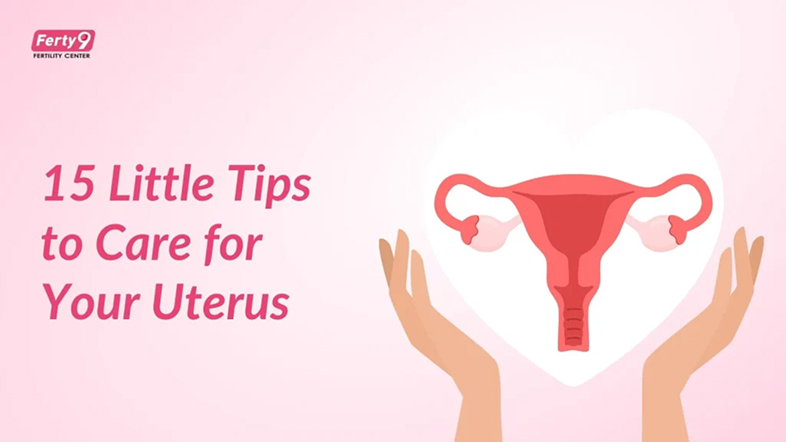
- Healthy Habits Support Uterus Health – Keeping the uterus healthy involves balanced nutrition, regular exercise, good hygiene, stress control, and routine gynecological checkups to support hormonal balance and reproductive wellness.
- Nutritious Foods Help Reproductive Function – Foods rich in iron, folic acid, fiber, antioxidants, and omega-3 fatty acids may improve blood circulation, support hormone regulation, and help maintain a healthy uterine lining.
- Exercise And Weight Balance Matter – Regular physical activity and maintaining a healthy body weight can lower the risk of hormone imbalance, PCOS, fibroids, and other reproductive conditions that may affect uterine health.
- Regular Screenings Detect Problems Early – Routine pelvic exams, Pap smears, and monitoring menstrual changes can help identify infections, fibroids, endometriosis, or cervical abnormalities before they become serious reproductive issues.
- Avoid Smoking And Chronic Stress – Specialists at Ferty9 Fertility Center recommend reducing smoking, alcohol use, and long-term stress because these factors may negatively affect hormone levels, fertility, and uterine health.
How to Keep Your Uterus Healthy Naturally
In China, the uterus is referred to as “a woman’s inner palace” and “palace of the child”. It is known as a palace because it is the place to create and nurture the next generation of sons and daughters. It is a hormone-responsive sex organ that is indeed a sacred place that does need special care and attention.
A healthy uterus not only supports fertility but also plays an important role in maintaining regular menstrual cycles and overall hormonal balance. Even small daily habits like what you eat, how you manage stress, and how active you are can have a direct impact on your uterine health over time. Many women only think about uterine health when problems arise, but small daily habits can make a big difference.
Why Uterus Health Is Important for Women
Many of the menstrual disharmonies that we experience, such as painful periods, infertility, endometriosis, and dysfunctional and uterine bleeding, can be avoided and also healed by taking better care of this inner palace, which is the uterus.
Related Read: Role of Diet, Nutrition in Overcoming Female Infertility
15 Doctor-Recommended Tips to Care for Your Uterus
Avoid Xenoestrogens That Can Harm Uterus Health
Xenoestrogens are harmful chemicals found in everyday products that can disrupt hormonal balance and affect uterine health.
1. One must avoid products that contain xenoestrogen, which can reduce the elasticity of one’s uterine wall, thus making it thinner and also more fragile.
10 Major Sources of Xenoestrogens are:
- Commercially grown meat and dairy products such as beef, pork, chicken, butter, milk, cheese, and ice cream. These products are usually contaminated with bovine growth hormones and tend to expose us to a lot of xenoestrogens.
- Also, any product that contains insecticides or pesticide residues can also have estrogenic effects. This includes everything we eat: grains, nuts, fruits, legumes, and veggies. One can have local organic foods whenever one can.
- Tap water is contaminated with petroleum derivatives, which are a primary source of xenoestrogens. One must try to drink filtered water whenever it is possible.
- Shampoos, lotions, toothpaste, soaps, cosmetics, as well as other personal care products that contain paraben or phenoxyethanol, chemical compounds that are widely used by the cosmetic and pharmaceutical industries as preservatives.
- Xenoestrogens that enter our skin go directly into the tissue without passing through our liver for detoxification. As a result, they get 100% absorbed by the body and can be 10 times more potent than those that are consumed orally.
- Soft plastics made use of as packaging materials are also often treated with chemical compounds called phthalates, a xenoestrogen, to increase their flexibility. This does include plastic-wrapped foods that are heated in the microwave, which do contain some of the highest xenoestrogen levels. So it is better not to heat up the food or water with plastic in the microwave. One must avoid drinking coffee or other hot liquids in Styrofoam cups. Try also to store one’s food in glass containers whenever possible.
- Artificial food additives, which include artificial sweeteners and MSG, 31 substances added to food for the purpose of preservation, coloring, texture, and flavor, contain potential estrogenic effects. Propyl gallate, as well as 4-hexylresorcinol, are two of the additives that need to be wary of.
- One must also avoid canned foods, which are generally lined with a plastic-based coating that contains bisphenol-A (BPA), a xenoestrogen. Try to take fewer processed and packaged foods.
- Foods that contain more soy protein and soy protein isolate are also to be focused upon. These foods are usually packed with condensed and unnaturally high amounts of plant estrogen, which can also lead to estrogen dominance. Eat organic soybeans, edamame, tofu, or even tempeh instead.
- Tumble dryer sheets are also loaded with xenoestrogens in order to make one’s clothes feel soft and fresh. These residual xenoestrogens can also permeate one’s skin and go directly into one’s cells. One must also make use of a natural liquid fabric softener or even ½ cup of baking soda in the rinse cycle instead.
- Disposable menstrual products can be made use of. In the conventional tampons in the United States, the Food and Drug Administration has detected dioxins, which are a class of chemical contaminants that may increase cancer risk, reproductive and developmental problems, heart disease, and diabetes.
- One must avoid tampons and sanitary napkins that contain chlorine, fragrance, wax, surfactants, rayon, etc. One must make use of those made of organic cotton or even other natural materials instead.
- Birth control pills, as well as conventional hormone replacement therapy (HRT), do contain synthetic hormones that can interrupt our natural hormone balance. There are several natural, effective birth control alternatives without the side effects of the pills.
Suggested Read: Uterine and cervical problems that lead to infertility
Sexual & Reproductive Hygiene for Uterus Health
2. One having numerous sexual partners also increases the chances of pelvic inflammation.
3. One must have a clean sexual partner; otherwise, a woman can develop a pelvic inflammatory disease, which can also be reduced by 70% when her sexual partner cleans up his private part before sexual intimacy. Experts say that many bacteria can also lead to a pelvic infection that gets carried in the folds of the male penis.
4. One must pay attention to one’s vaginal discharge. Excessive, watery, cottage cheese-like, yellow, smelly, or otherwise abnormal vaginal discharges are, of course, early indications of a possible dysfunction of the uterus.
Diet Tips to Improve Uterus Health
5. Eating plenty of cold water fish that are rich in Omega-3 fatty acids, such as mackerel and even salmon, helps to reduce the secretion of prostaglandin, a hormone-like substance that can actually make the uterus contract too hard, causing much pain, and also increase the chances of a malpositioning of one’s uterus.
6. Do have a nutritious breakfast with whole grains. Research shows that 30% of women do have pelvic diseases have a lower-than-average intake of folic acid and beta-carotene. Whole grains are rich in these vital nutrients, and the best time for absorption is in the morning when one has breakfast.
7. One has to improve one’s immunity to one’s uterus. The lemon is also rich in vitamin C and can help improve one’s immunity to the uterus from external bacteria. One must also start drinking a cup of warm lemon water in the morning.
Lifestyle Habits That Support a Healthy Uterus
8. One needs to exercise one’s pelvic muscles. Experts say that swimming is the best exercise to strengthen the uterus, and it is good to swim for two hours per week in order to reduce back pain, relieve period pain, and make childbirth easier as well. If you do not have a swimming pool nearby, try pelvic exercise weights. They are effective as well.
9. One must not hold one’s urine. If one holds, waste materials accumulate in the bladder, possibly causing a bladder infection, which can also cause vaginal as well as pelvic infection, on account of the close proximity. An always-existing enlarged bladder can also cause undue pressure on the uterus, thus causing it to move out of position.
10. Quit smoking. Cancer-causing substances in cigarettes also tend to concentrate in the body fluids around one’s cervix. Long-term smoking can, of course, have a dangerous, harmful effect on one’s uterus.
11. One must maintain a healthy body weight. Lacking adequate body fats in order to hold the uterus in place can also result in a prolapsed or dropped uterus, which does increase the chances of pelvic infections as well as period pain.
12. Do not sit for too long. Sitting at one’s desk for the longest period without adequate exercise inhibits healthy blood and also energy circulation in the pelvic area. This can also cause the thickening of the uterine wall and increase the chances of endometriosis. So get up and move around every hour or so.
Hormonal & Medical Factors That Affect Uterus Health
13. Avoid making use of birth control pills for an extended period of time. Research has also shown that taking birth control pills continuously for over eight years can disrupt the body’s natural hormone balance and also increase the chances of developing fibroids. Check out 10 birth control options without the pills.
Related Read: Pelvic Exercise Effective in Premature Ejaculation
Traditional Practices and Home Remedies for Uterus Care
14. One must massage one’s abdomen with rose essential oil. This is also a uterine care routine that is quite popular in China as well as Korea. Place two drops of rose essential oil into one’s palm. Warm it up by rubbing one’s palms together. Then also push one’s palms from one’s rib cage area towards one’s uterus. Massage it a few times until the area gets a little bit warm. This is an excellent massage to prevent and relieve period pain.
15. Keep one’s uterus warm, as cold that accumulates in one’s uterus is a common cause of painful periods as well as fertility issues. So avoid consuming raw as well as cold foods, and also drink during one’s periods. Also, wear enough clothes to keep one’s body and one’s uterus warm.
Related Read: Irregular Periods: A warning sign to be taken care of
Signs of an Unhealthy Uterus You Should Not Ignore
Signs of an unhealthy uterus include irregular or missed periods, very heavy or prolonged bleeding, and severe menstrual cramps. Other warning signs can be unusual vaginal discharge with a strong odor or abnormal color, pain during intercourse, and difficulty in conceiving despite trying for several months. While these symptoms are not always serious, they should not be ignored. If they continue or worsen over time, consulting a qualified healthcare professional is important for proper evaluation and care.
When to See a Doctor for Uterus Problems
You should see a doctor if you experience severe or persistent pelvic pain, missed periods without a clear reason, or difficulty in conceiving despite trying for several months. These signs may indicate underlying uterine or hormonal issues that need medical evaluation. Seeking timely advice from a qualified healthcare professional can help identify the cause early and ensure appropriate treatment if needed.
If you’re experiencing any symptoms or planning a pregnancy, consult Ferty9 fertility experts for personalized guidance.
References
- Endocrine Society — Endocrine-Disrupting Chemicals
- ASRM — Smoking and Infertility Committee Opinion
- CDC — Pelvic Inflammatory Disease Fact Sheet
- Gaskins & Chavarro — Diet and Fertility Review


















 No need to worry, your data is 100% safe with us!