


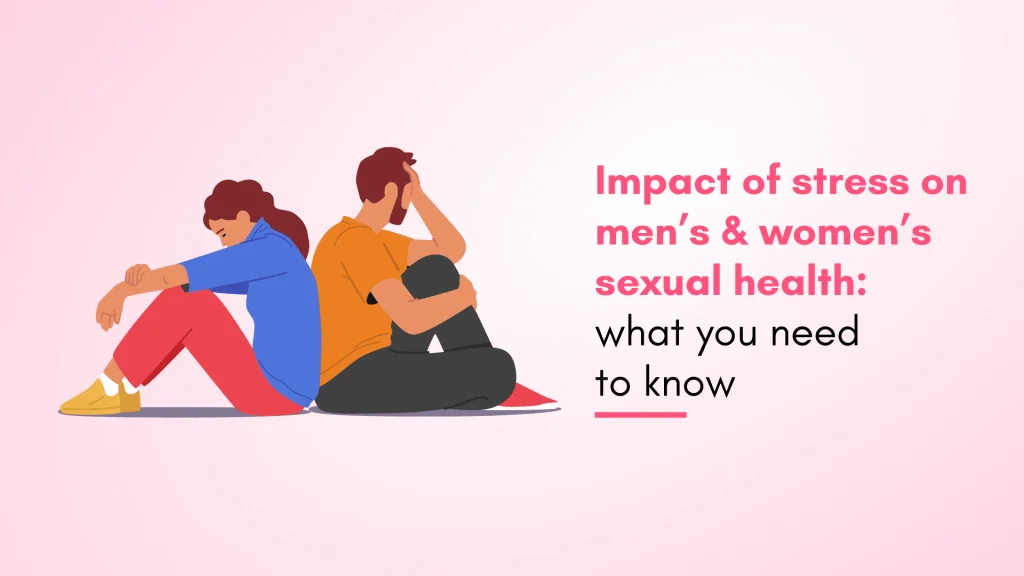
Understanding Stress and Its Effects on Sexual Health
In today’s fast-paced world, balancing long working hours, financial responsibilities, and family duties in India can leave you feeling completely exhausted. While we often talk about how stress causes headaches or poor sleep, its impact on the bedroom is a topic many people shy away from.
If you or your partner are experiencing a sudden drop in intimacy, it is important to know that you are not alone, and it is rarely anyone’s “fault.” Stress is a physical reaction that changes how your body functions. Let’s break down exactly how stress alters your sexual health, the symptoms to watch for, and the natural, traditional Indian treatments that can help you reconnect.
Related Read: The Impact of Stress on Fertility
How Does Stress Affect a Man Sexually?
When a man is deeply stressed, his brain goes into a “fight or flight” mode. The body releases high amounts of adrenaline and cortisol (the stress hormone). Because the body thinks it is in danger, it restricts blood flow to non-essential functions—including the reproductive organs.
So, how does stress affect a man sexually?
- Erectile Dysfunction (ED): High stress causes the blood vessels to narrow, making it difficult to achieve or maintain a firm erection. This is often called psychological ED.
- Loss of Libido: Chronic stress drastically lowers testosterone production, reducing the natural desire for physical intimacy.
- Performance Anxiety: A single stressful encounter can lead to overthinking, causing a cycle of anxiety that results in premature ejaculation or an inability to perform in the future.
Also read: Role of Hormones in Fertility
How Does Stress Affect a Woman’s Sexual Health?
For women, the brain is the largest sexual organ. If a woman’s mind is cluttered with anxiety, work stress, or household exhaustion, her body simply cannot physically respond to intimacy.
- Hormonal Imbalance: High cortisol levels suppress the production of estrogen and progesterone. This can lead to irregular periods and a flattened libido.
- Physical Discomfort: Stress prevents the body from relaxing and naturally lubricating. This can lead to severe vaginal dryness, making intercourse painful or highly uncomfortable.
- Emotional Disconnect: Women often need to feel emotionally relaxed and connected to feel sexual desire. Chronic stress creates emotional exhaustion, leaving no energy for intimacy.
Related Read:
The Role of Stress in Fertility and IVF Outcomes
Tips to Boost Your Chances of Conception
Does Stress Lead to Infertility?
Yes, chronic tension and emotional exhaustion can directly impact your ability to conceive. High cortisol levels disrupt the delicate hormonal balance required for reproduction. For women, this means irregular menstrual cycles and delayed ovulation. For men-especially when exploring how does stress affect a man sexually and reproductively-chronic anxiety can significantly lower healthy sperm production. The worry surrounding the inability to conceive often creates a vicious cycle, making stress management a crucial part of holistic fertility care.
Can Stress Cause Physical Pain During Intimacy?
Mental tension often manifests physically, leading to conditions medically known as Vaginismus and Dyspareunia. Vaginismus is the involuntary tightening or spasm of pelvic floor muscles, making physical closeness extremely painful or impossible. Dyspareunia refers to general pain during intimacy, which then triggers more anxiety and fear, further worsening the problem. Relaxation techniques, such as progressive muscle relaxation and guided Ayurvedic pelvic therapies, can gently help the body release this stored physical tension.
What Are the Common Signs of Stress-Induced Sexual Problems?
Sometimes, it is hard to tell if the issue is purely physical or rooted in stress. Signs include:
- A sudden, unexplained loss of interest in sexual activity despite loving your partner.
- Feeling constantly exhausted, leading to treating sexual activity like a “chore.”
- Difficulty staying focused or present during intimacy (your mind is wandering to work or bills).
- Experiencing muscle tension, headaches, or stomach issues right before going to bed.
- Waking up tired, even after a full night of sleep, combined with zero morning sexual desire.
How Can You Naturally Treat Stress and Improve Sexual Health?
The good news is that stress-induced sexual problems are highly treatable. In India, a holistic approach combining lifestyle changes and traditional wellness can work wonders:
1. Ayurvedic Support for Vitality
Traditional Indian herbs are incredible for balancing stress hormones and naturally boosting libido.
- For Men: Ashwagandha is a powerful adaptogen that lowers cortisol and naturally boosts testosterone. Shilajit is also widely used to improve strength and stamina.
- For Women: Shatavari is known as a female tonic that helps balance reproductive hormones, reduces stress, and improves natural lubrication. (Note: Always consult an Ayurvedic doctor before starting any herbal supplements).
2. Yoga and Pranayama (Breathwork)
Physical movement helps release stored tension. Specific yoga poses like Bhujangasana (Cobra Pose) and Vajrasana improve blood flow to the pelvic region. More importantly, breathing exercises like Bhramari Pranayama (Bee Breath) instantly calm the nervous system, pulling the brain out of “fight or flight” mode.
3. Diet and Nutrition
A poor diet worsens stress. Limit excessive caffeine, alcohol, and heavily processed junk foods, which spike anxiety and lethargy. Incorporate a traditional Indian diet rich in healthy fats and zinc—such as almonds (badaam), pumpkin seeds, fresh fruits, and warm milk before bed to promote restful sleep.
4. Open Communication
The absolute best treatment is talking to your partner. Hiding your stress or feeling guilty about your low libido only creates more anxiety. Gently explaining, “I am feeling very overwhelmed with work right now, and it is affecting my energy,” can remove the pressure and rebuild emotional intimacy.
When Should You See a Doctor?
You should see a doctor if your lack of sexual desire or performance issues last for more than two to three months despite lifestyle changes. Furthermore, seek medical help if the sexual dysfunction is accompanied by physical pain, severe depression, or if it is causing extreme distress in your marriage. A certified sexologist, urologist, or gynaecologist can help rule out underlying medical conditions like diabetes or thyroid issues and guide you safely.
If you are struggling, take the first step today by booking a consultation with a healthcare professional to reclaim your peace of mind and physical well-being.
References
National Health Portal (NHP) India – Information on Mental Health and Stress Management
https://www.nhp.gov.in/disease/non-communicable-disease/mental-illness
Ministry of Ayush, Government of India – Ayurvedic Guidelines for Wellness and Vitality
Indian Council of Medical Research (ICMR) – Guidelines on the Management of Psychological Stress
The Federation of Obstetric and Gynaecological Societies of India (FOGSI) – Guidelines on Female Sexual Health














 No need to worry, your data is 100% safe with us!