


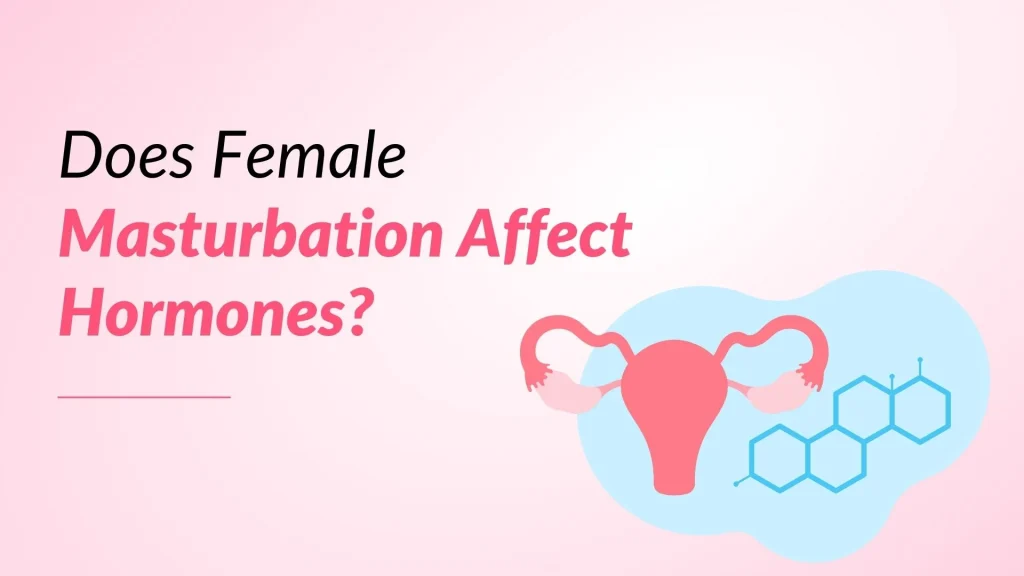
Hormones play an important role in regulating mood, metabolism, and reproductive health. It’s natural to question whether everyday habits like masturbation can affect this balance. Many women worry whether masturbation can affect their hormones, periods, or fertility. These concerns often come from common myths and misinformation around sexual health.
In this article, we explain how masturbation affects hormones and clear common myths around it.
- Masturbation Does Not Cause Hormonal Imbalance – Female masturbation does not permanently disrupt hormones or reproductive health. Temporary hormonal changes involving dopamine, oxytocin, and endorphins are normal after orgasm and usually return to baseline quickly.
- Hormonal Changes Are Short-Term – During sexual stimulation and orgasm, the body releases hormones linked to pleasure, relaxation, and stress relief. These natural fluctuations are temporary and do not typically affect menstrual cycles or fertility.
- Stress Reduction May Support Hormone Health – Masturbation may help reduce stress and improve sleep quality, which can indirectly support hormonal balance by lowering cortisol levels and promoting emotional well-being.
- Persistent Symptoms May Have Other Causes – Irregular periods, acne, weight changes, or mood swings are more commonly linked to conditions like PCOS, thyroid disorders, stress, or lifestyle factors rather than masturbation itself. Medical evaluation may help identify underlying issues.
- Professional Guidance Helps Address Concerns – Specialists at Ferty9 Fertility Center recommend consulting a healthcare provider for ongoing hormonal symptoms or reproductive concerns to receive accurate diagnosis, testing, and personalized treatment advice.
Does Female Masturbation Cause Hormonal Imbalance?
No, female masturbation does not cause hormonal imbalance. Hormonal changes during arousal, such as increases in dopamine and oxytocin, are temporary and return to normal quickly. Masturbation does not affect ovulation, menstrual cycles, or long-term hormone levels.
Key reproductive hormones such as estrogen, progesterone, and testosterone are regulated by your endocrine system and menstrual cycle, not by masturbation.
What is Masturbation?
Female masturbation refers to self-stimulation of the genitals, often done to achieve sexual pleasure or release. For women, this involves touching the clitoris, vagina, or other sensitive private areas. Masturbation is a personal activity and is a natural way to explore your body and understand your sexual preferences. In many cultures, it is often surrounded by stigma, health experts agree that masturbation is a safe and normal activity.
Masturbation and Hormonal Imbalances
Hormones regulate essential functions like mood, metabolism, and reproductive health. Because of this, many women wonder whether masturbation can disrupt hormonal balance.
The reality is that masturbation may cause temporary hormonal changes during arousal and orgasm, but these effects are short-lived and do not lead to long-term imbalance. Here’s how different hormones respond:
- Oxytocin (Love Hormone): Released during orgasm, it promotes relaxation, emotional bonding, and a sense of well-being.
- Dopamine (Pleasure Hormone): Increases during stimulation, creating feelings of reward, motivation, and satisfaction.
- Testosterone: May rise slightly during sexual arousal, but this increase is temporary and returns to normal levels quickly.
- Estrogen and Progesterone: These hormones are not affected by masturbation. They are regulated by your menstrual cycle and overall hormonal system.
- Cortisol (Stress Hormone): Masturbation may help lower cortisol levels, reducing stress and promoting relaxation.
- Endorphins: Released during orgasm, these natural chemicals help improve mood and reduce pain or discomfort.
Key Takeaway: These hormonal changes are temporary and return to normal shortly after orgasm. Masturbation does not disrupt long-term hormonal balance or reproductive health.
Is It Safe to Masturbate Daily for Hormonal Health?
Yes, masturbation is generally safe even when done regularly, as long as it does not interfere with your daily life or cause discomfort. It does not disrupt hormonal balance or reproductive health. Maintaining moderation and being aware of your body is important.
How Your Body Regulates Hormones?
Your body maintains hormonal balance through a complex system involving the brain, ovaries, and endocrine glands. Hormones like estrogen and progesterone follow natural cycles, especially during menstruation. Everyday activities like masturbation do not interfere with this regulation.
When Should You Be Concerned About Hormonal Imbalance?
You should consult a doctor if you experience:
- Irregular or missed periods
- Persistent fatigue or low energy
- Severe mood swings or depression
- Unexplained weight changes
- Excessive hair growth or hair loss
These symptoms are usually linked to medical conditions like PCOS or thyroid disorders, not masturbation.

Signs and Symptoms of Female Hormone Imbalance
Hormonal imbalances in women are usually caused by underlying health conditions and may present with the following symptoms:
- Irregular menstrual cycles
- Unexplained weight gain or loss
- Persistent acne
- Mood swings or depression
- Excessive hair growth or hair loss
- Fatigue or low energy levels
- Low libido
- Constipation or diarrhoea
- Vaginal dryness
- Headache
- Disturbed sleep
Myths About Masturbation and Hormones
Let’s address some common myths and separate facts from misconceptions:
Myth 1: Female Masturbation Affects Ovulation
There is no scientific evidence to support the claim that masturbation affects ovulation. Ovulation is a complex process controlled by hormones, and it is not influenced by masturbation or orgasm. The release of an egg from the ovary occurs regardless of sexual activity.
Myth 2: Female Masturbation Causes Infertility
Does female masturbation affect getting pregnant? The answer is no. Infertility can have various causes, including age, hormonal imbalances, and underlying medical conditions. Masturbation does not harm fertility or reproductive health. In fact, it can help you better understand your body, which may enhance intimacy and improve conception chances.
Myth 3: Female Masturbation Affects Periods
Does masturbation cause hormonal imbalance in females and disrupt periods? No. Masturbation does not interfere with the hormonal processes that regulate your menstrual cycle. If you notice irregular periods, it’s more likely due to stress, diet, or underlying medical conditions.
Additionally, some people might notice slight spotting after masturbation, but this is usually not a cause for concern. It’s important to remember that everyone’s body is different, and some people may experience minor variations in their menstrual cycle from time to time.
Myth 4: Female Masturbation Causes Weight Gain
Many women wonder, does masturbation cause weight gain in females? Masturbation does not directly impact body weight. Hormonal changes during masturbation are temporary and do not contribute to weight gain. Some people might experience slight calorie burning during masturbation due to increased heart rate and muscle activity, but this is generally minimal.
Myth 5: Female Masturbation Reduces Testosterone
Does masturbation reduce testosterone in women? No. While there may be temporary fluctuations in masturbation and testosterone levels, these changes are brief and have no lasting impact.
Also read: Benefits and Side Effects of Masturbation for Women
How Long Do Hormonal Changes Last After Masturbation?
Hormonal changes caused by masturbation are short-lived and usually return to normal within minutes to hours after orgasm. They do not have any lasting impact on your hormonal balance.
Final Thoughts
Female masturbation is a natural and safe activity that does not cause hormonal imbalance. While it may temporarily influence certain hormones, these changes are short-lived and do not affect long-term reproductive or hormonal health.
If you experience symptoms of hormonal imbalance, it is important to consult a healthcare professional to identify the actual underlying cause.
References
- NIH (NIDDK): Endocrine Diseases and Myths
- NIH: Hormonal Regulation of Female Sexual Response
- Mayo Clinic: Endocrine System and Hormone Basics









 No need to worry, your data is 100% safe with us!