


Suggested Read: How to increase sperm count and motility
What is Sperm Morphology & How Does it Affect Fertility?
When a couple faces delays in getting pregnant, the focus often shifts to the female partner. However, in nearly half of all infertility cases, male reproductive health plays a major role. While most men know that sperm count (quantity) is important, there is another critical factor that is often overlooked: the shape of the sperm.
If your doctor has mentioned “morphology” during a semen analysis, do not panic. Let’s break down exactly what this term means, how it impacts your journey to fatherhood, and the natural Indian treatments and medical options available to improve it.
What is Sperm Morphology Exactly?
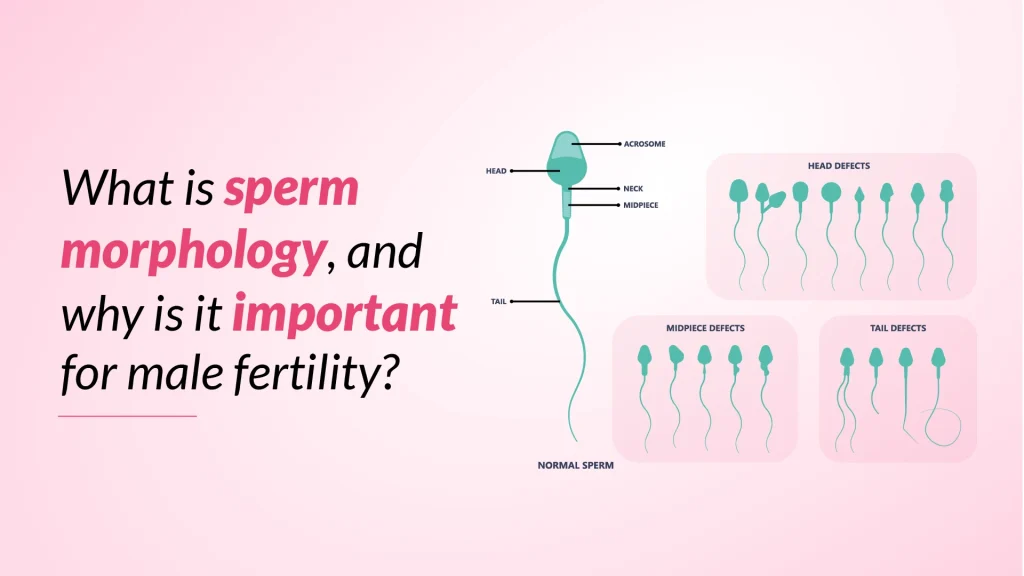
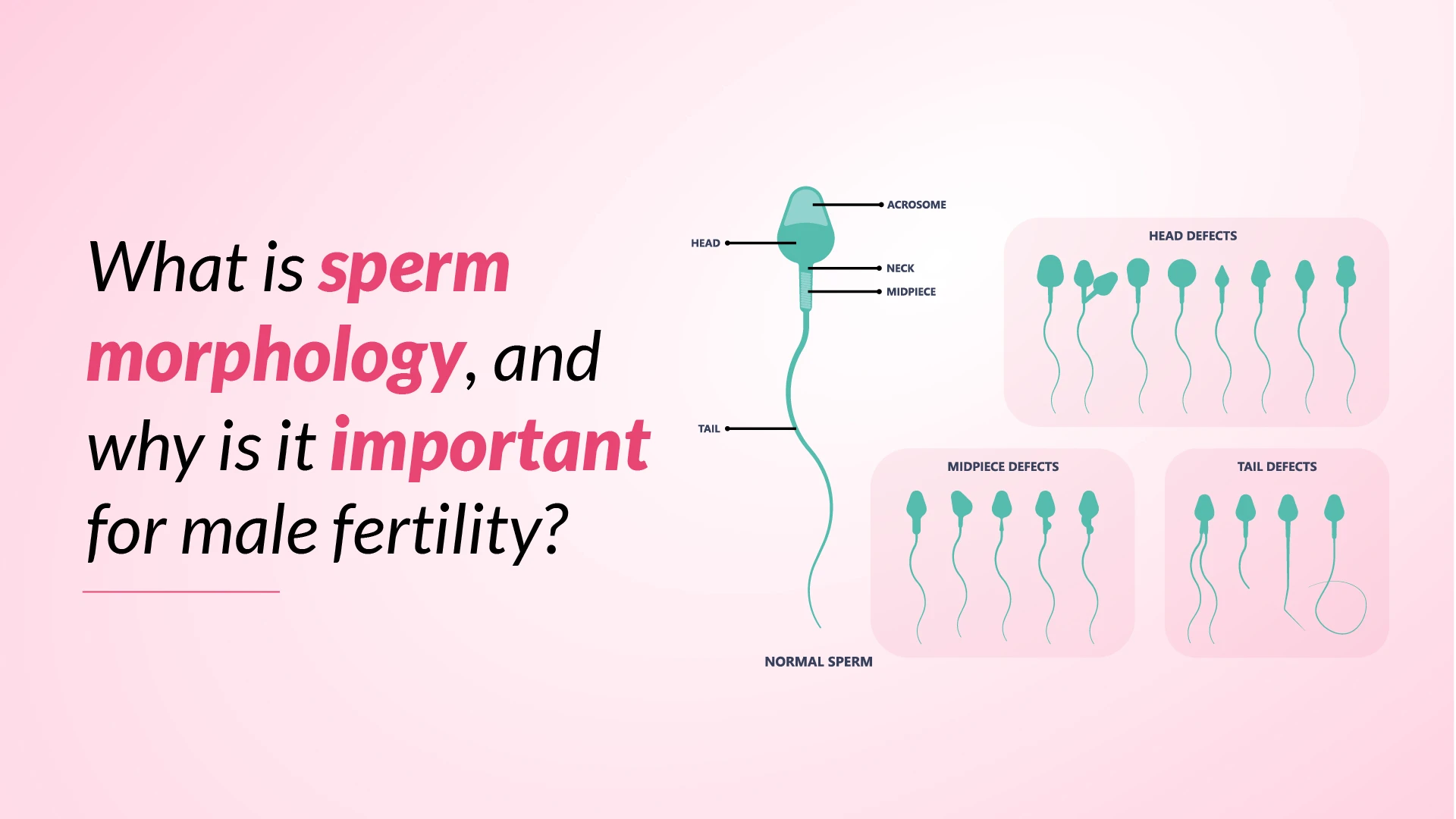
To successfully fertilize an egg, a sperm cell needs to be built perfectly. What is sperm morphology? It is the medical term used to describe the physical size and shape of the sperm under a microscope.
A perfectly shaped, healthy sperm has three distinct parts:
- An oval head: This contains the genetic material (DNA) and a special cap that helps it break through the outer layer of the woman’s egg.
- A sturdy midpiece (neck): This section is packed with energy-producing mitochondria to fuel the sperm’s journey.
- A long, straight tail: This acts like a propeller, pushing the sperm forward through the female reproductive tract.
If any of these parts are misshapen—for example, a head that is too large, a crooked neck, or a coiled tail—the sperm will struggle to reach or fertilize the egg.
What is the Sperm Morphology Normal Range?
When you receive a semen analysis report, the numbers might seem confusing. Doctors use strict criteria (often called Kruger strict criteria) to evaluate sperm shape.
The sperm morphology normal range is considered to be 4% or higher. This might sound surprisingly low! You might wonder, “Does that mean 96% of my sperm are abnormally shaped?” Yes, and that is completely normal. The male body produces millions of sperm, and a vast majority naturally have physical defects. As long as 4% or more are perfectly shaped, your chances of natural conception are considered very good.
What is the Abnormal Sperm Morphology Range?
If your test results show that less than 4% of your sperm are normally shaped, you fall into the abnormal sperm morphology range. This condition is medically known as Teratozoospermia.
Having an abnormal range does not mean you cannot father a child. It simply means that because fewer sperm are perfectly shaped, it might take longer for natural conception to occur, and you might need a little extra help or lifestyle adjustments to boost your fertility.
What Are the Most Common Types of Abnormal Sperm Shapes?
When laboratory experts examine your semen under a high-power microscope, they look for very specific structural defects. These abnormalities generally fall into two categories:
- Head Defects: The head of the sperm carries your DNA. Sometimes, the sperm might develop a giant head (Macrocephaly) or an unusually small head (Microcephaly), meaning it lacks the proper enzymes to break into the woman’s egg. In some cases, a sperm might have a pin-shaped head, no head at all, or even two heads! These head defects are often linked to genetic factors, high blood sugar, or exposure to heavy environmental toxins.
- Neck and Tail Defects: The tail is the sperm’s engine. Common tail defects include a highly coiled tail or a severely short “stump” tail. Sometimes, the neck connecting the head to the tail is excessively thick, indicating defective energy-making cells. Sperm with tail abnormalities simply cannot swim straight or fast enough to reach the fallopian tubes. These movement issues are frequently tied to heavy smoking, untreated bacterial infections, or constant exposure to high temperatures (like daily hot baths or tight clothing).
How Does Sperm Morphology Affect Your Fertility?
Sperm morphology directly impacts the sperm’s ability to do its job. Here is how poor shape affects fertility:
- Swimming Ability (Motility): A sperm with a bent or coiled tail will swim in circles or struggle to move forward, meaning it will never reach the fallopian tubes where the egg is waiting.
- Penetration Power: A sperm with an abnormally shaped head will not be able to break through the tough outer shell of the female egg to fertilize it.
What is the Best Sperm Morphology Treatment in India?
If you are diagnosed with poor sperm shape, modern medicine offers several highly effective solutions. The right sperm morphology treatment depends on the root cause of the issue:
- Treating Infections or Blockages: Sometimes, poor morphology is caused by an underlying infection or a condition called a varicocele (swollen veins in the scrotum). Antibiotics or a simple minor surgery can often resolve this.
- Antioxidant Therapy: Indian urologists frequently prescribe supplements rich in Coenzyme Q10, Vitamin C, Vitamin E, and Zinc to protect sperm from cellular damage and improve their shape over time.
- Assisted Reproductive Technology (ART): If natural conception is still difficult, treatments like IUI (Intrauterine Insemination) or IVF (In Vitro Fertilization) are highly successful. For very low morphology, a specialized IVF procedure called ICSI (Intracytoplasmic Sperm Injection) is used, where doctors hand-pick a single perfectly shaped sperm and inject it directly into the egg.
How to Increase Sperm Morphology Naturally?
Sperm takes about 70 to 90 days to fully develop. This means that healthy lifestyle changes today can dramatically improve your sperm shape in just three months. Here is how to increase sperm morphology naturally using Indian lifestyle and wellness practices:
- Traditional Indian Diet: Focus on foods rich in antioxidants and zinc. Incorporate walnuts (akhrot), pumpkin seeds, dark leafy greens, and fresh seasonal fruits into your daily meals.
- Ayurvedic Support: Under the guidance of an Ayurvedic practitioner, natural adaptogens like Ashwagandha and Shilajit have been traditionally used in India to reduce stress hormones and improve overall sperm quality and vitality.
- Keep Things Cool: Sperm production requires a temperature slightly cooler than the rest of your body. Avoid taking very hot baths, keeping laptops directly on your lap, and wearing excessively tight underwear.
- Quit Smoking and Limit Alcohol: Toxins from tobacco and excessive alcohol directly damage sperm DNA and alter their shape. Quitting is the fastest way to improve morphology.
- Manage Stress: High stress increases cortisol levels, which negatively impacts testosterone and sperm production. Gentle yoga and deep breathing (Pranayama) can help keep your body in a relaxed, fertility-friendly state.
When Should You Consult a Fertility Specialist?
If you and your partner have been having well-timed, unprotected intercourse for a year (or six months if the female partner is over 35) without success, it is time to consult a fertility specialist. A simple, painless semen analysis is all it takes to evaluate your sperm count, motility, and morphology, allowing your doctor to guide you on the fastest path to parenthood.
References
What is the Abnormal Sperm Morphology Range & Medical Treatments –
https://www.icmr.gov.in/icmrobject/uploads/STWs/1725952326_urology_male_infertility.pdf
What is Sperm Morphology & How Does it Affect Fertility –
https://www.nhp.gov.in/disease/reproductive-system
How to Increase Sperm Morphology Naturally –
Advanced Sperm Morphology Treatment (ART and ICSI)

















 No need to worry, your data is 100% safe with us!