


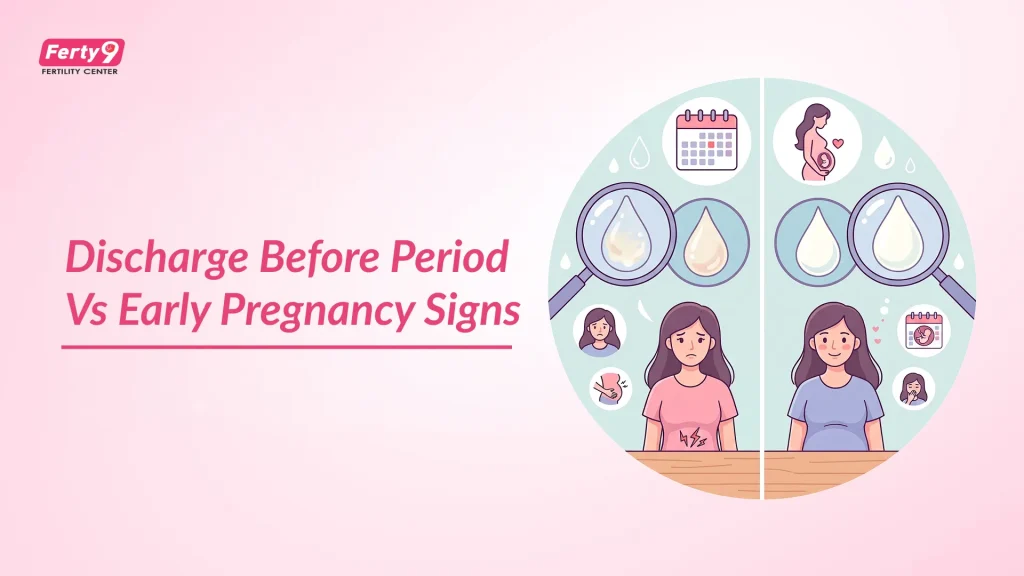
What is the difference between discharge before a period and early pregnancy?
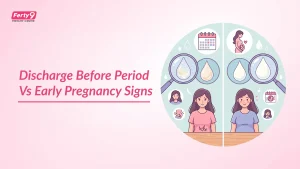
Before your period, vaginal discharge usually becomes thick, sticky, and cloudy white as your hormones shift. It may even dry up completely for a few days. In contrast, early pregnancy often causes an increase in discharge that is thin, milky white, and mild-smelling to help protect the womb. If you notice this change along with a missed period, it may be time to take a pregnancy test.
- Compare Discharge Changes – Before a period, discharge is often thick, sticky, and cloudy white. In early pregnancy, it is usually thinner, milky white, and more noticeable.
- Watch Texture And Amount – Before a period, discharge may decrease or dry up. In early pregnancy, it can become thinner, wetter, and more noticeable.
- Notice Light Spotting – A few drops of pink or light brown spotting can occur in early pregnancy and are usually much lighter and shorter than a period.
- Look For Other Signs – Tender breasts, unusual tiredness, mild cramps, and more frequent urination can occur alongside discharge changes in early pregnancy.
- Get Unusual Discharge Checked – Strong or fishy smell, chunky discharge, itching, burning, soreness, or green or bright-yellow discharge should be checked by a doctor.
Are Changes in Discharge Normal?
Noticing changes in your daily fluid is completely normal. Vaginal discharge is your body’s natural way of keeping the area clean, healthy, and protected from infections. Throughout your monthly cycle, shifting hormones change how this fluid looks and feels. When you are trying to understand what your body is telling you, paying attention to these small changes can be very helpful.
Is a White Discharge Before Period Sign Of Pregnancy?
It is incredibly common to wonder if a sudden change means a baby is on the way. The question of whether a White Discharge Before Period Sign Of Pregnancy is a sign of pregnancy comes up often. Here is the simple truth: thick, sticky white discharge is usually just a standard sign that your period is approaching.
However, if that discharge suddenly increases in amount and becomes thin and milky white, it can sometimes be an early hint of pregnancy. Your body produces more estrogen when you conceive, which tells your body to produce more fluid to keep the womb safe.
What Does 1 week pregnancy discharge Look Like?
If you have just conceived, your body begins adapting immediately. A 1-week pregnancy discharge is known medically as leukorrhea. Unlike the dry or glue-like fluid right before a period, this pregnancy discharge usually looks pale, milky, and has a very mild smell or no smell at all. You might also notice that there is simply more of it than you are used to.
How Can I Spot a first week pregnancy white discharge?
Because early pregnancy and pre-period symptoms can feel so similar, it helps to know exactly what to look for. If you are experiencing a first-week pregnancy white discharge, it will typically feel thinner and much wetter than your usual pre-period fluid.
To make it easy to understand, here is a quick comparison:
| Feature | Right Before a Period | Early Pregnancy |
| Texture | Thick, sticky, or paste-like | Thin and watery |
| Colour | Cloudy white or slightly yellow | Milky white or clear |
| Amount | Decreases or dries up | Increases notably |
| Purpose | Natural cycle progression | Protects the womb from infection |
Could a little pink or brown spotting mean implantation?
Sometimes, along with a change in your everyday fluid, you might notice a few drops of pink or light brown spotting. It is very common to mistake this for the start of your monthly period. However, this could actually be implantation bleeding!
When a tiny, fertilised egg gently settles into the soft lining of your womb, it can cause a tiny bit of bleeding. Unlike a regular period that gets heavier and darker, implantation spotting is very light, usually only lasts for a day or two, and does not require a pad. If you see this light spotting along with milky first-week pregnancy white discharge, it is a strong hint that you might be expecting.
What other gentle signs of early pregnancy should I watch for?
Because a White Discharge Before Period Sign Of Pregnancy can sometimes be tricky to figure out on its own, your body will usually give you a few other gentle hints. If you are pregnant, you might start noticing these changes even before you miss your period:
- Tender Breasts: Your breasts might feel slightly heavy, sore, or sensitive to the touch, very similar to how they feel before a period but often a bit stronger.
- Feeling Extra Tired: Creating a safe space for a baby takes a lot of energy! You might feel unusually sleepy or exhausted during the middle of the day.
- Mild Cramping: You might feel soft, pulling cramps in your lower stomach. These are usually much lighter than your regular period cramps and are simply a sign of your womb stretching and preparing.
- Frequent Bathroom Trips: If you find yourself needing to urinate much more often than usual, it could be due to the beautiful new changes happening in your body.
How Should I Care for Myself During This Time?
In India, we have wonderful, natural traditions for maintaining intimate hygiene that work perfectly whether you are expecting a period or a baby. The goal is simply to keep the area clean, cool, and free from irritation.
- Wear breathable fabrics: Always choose pure cotton underwear, especially during hot and humid Indian summers, to keep your skin dry and comfortable.
- Skip the harsh chemicals: Avoid strong, scented soaps or commercial intimate washes. Plain, lukewarm water is the best and safest way to clean.
- Use gentle, natural remedies if irritated: If you feel mild irritation, washing externally with lightly boiled and cooled neem water is a trusted, natural way to soothe the skin.
- Stay hydrated: Drink plenty of water or fresh coconut water to help your body flush out toxins naturally.
When Should I See a Doctor?
Whether it is period-related or pregnancy-related, your fluid should never cause pain. You should speak with a doctor if your discharge:
- Smells strong or fishy.
- Looks chunky, like cottage cheese.
- Is accompanied by itching, burning, or soreness.
- Turns green or bright yellow.
References:
White Discharge Before Period: What Causes It?
https://www.healthline.com/health/white-discharge-before-period
Cervical mucus changes: Are they an early sign of pregnancy?
https://flo.health/getting-pregnant/trying-to-conceive/signs-of-pregnancy/mucus-sign-of-pregnancy
Creamy white discharge: What causes it, and should you worry?
https://flo.health/menstrual-cycle/health/vaginal-discharge/creamy-white-discharge-meaning
Fertile discharge: Cervical mucus timeline
https://www.medicalnewstoday.com/articles/323503
















 No need to worry, your data is 100% safe with us!