


What to eat after embryo transfer?
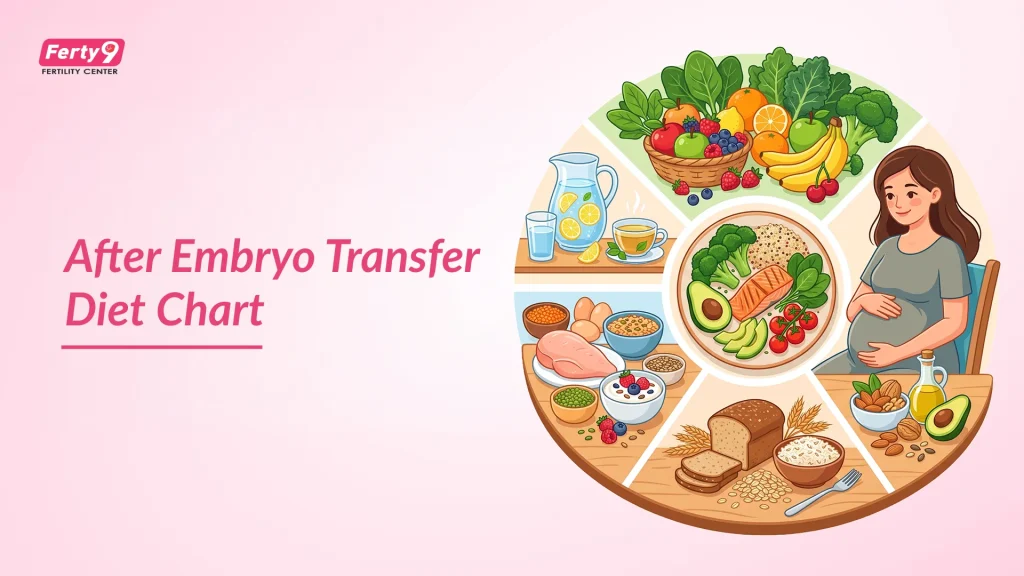
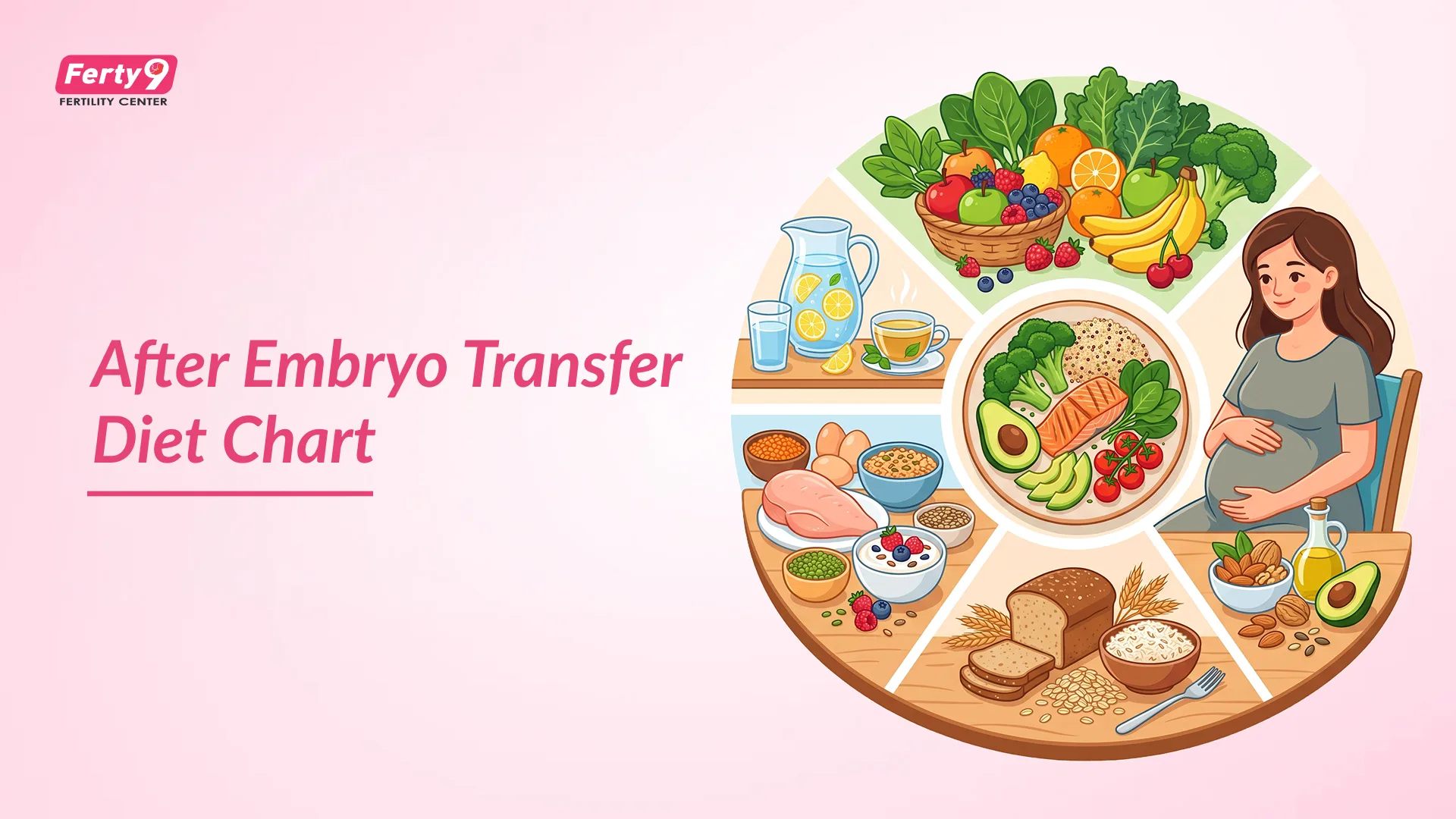
For a successful implantation, focus on a warm, easily digestible, and nutrient-rich Indian diet. The best foods to eat after embryo transfer include protein-rich foods like dal, paneer, and eggs, alongside iron-rich leafy greens like spinach (palak). Incorporate fresh, seasonal fruits, a handful of soaked nuts (almonds and walnuts), and whole grains like oats or brown rice. Keep your meals balanced, freshly cooked, and avoid highly processed or overly spicy foods to keep your body relaxed and healthy.
- Choose Fresh Nutrient-Rich Foods – The blog recommends a warm Indian diet with dal, paneer, eggs, leafy greens, fresh fruits, soaked nuts, and whole grains after embryo transfer.
- Include Protein and Iron – Lentils, chickpeas, paneer, eggs, chicken, spinach, and other leafy vegetables provide protein and iron for a nutrient-rich post-transfer diet.
- Eat Small Frequent Meals – Having smaller meals every few hours can help maintain steady energy and avoid feeling overly full or bloated during the two-week wait.
- Stay Well Hydrated – The blog recommends about 8 to 10 glasses of water daily and suggests coconut water, buttermilk, or fresh lemon water as alternatives.
- Limit Processed Foods – Freshly cooked meals are preferred, while highly processed foods, overly spicy foods, and sugary packaged juices are best avoided after embryo transfer.
After Embryo Transfer Diet Chart – Best Foods & Nutrition Tips for IVF Success
The two-week wait after embryo transfer can feel like the longest days of your life. It is entirely normal to wonder about every little thing you are doing, especially when it comes to your food. You want to give your body the absolute best environment to welcome your tiny embryo.
The good news? You do not need to follow strict, stressful rules. A healthy, traditional Indian diet naturally contains almost everything your body needs right now. Here is a simple, comforting guide on exactly how to nourish yourself during this special time.
Why does my daily food matter so much right now?
Think of your body as a garden that you are preparing for a new seed. Eating warm, fresh, and nutritious meals helps keep your energy steady, improves blood flow to your womb, and gives your body the strength it needs to support a pregnancy. A healthy IVF diet after embryo transfer is simply about choosing fresh, homemade foods that make your stomach feel good and keep you relaxed.
What exactly should I put on my plate every day?
When deciding what to eat after embryo transfer, the secret is keeping it simple, colourful, and freshly cooked. Here are the most important everyday Indian foods to include in your meals:
- Whole Grains: Brown rice, oats, broken wheat (dalia), and millet (ragi or jowar) are gentle on the stomach and give you steady energy.
- Fresh Vegetables: Green leafy vegetables like spinach (palak), fenugreek (methi), broccoli, and carrots are packed with iron and vitamins your blood needs.
- Good Proteins: Fresh lentils (moong or masoor dal), chickpeas (chana), paneer, or well-cooked eggs and chicken. Protein helps build healthy new cells.
- Healthy Fats: A small handful of overnight-soaked almonds, walnuts, and seeds (like sunflower or flax seeds) are wonderful for your body. A little bit of pure, homemade ghee on your roti or dal is also excellent.
- Dairy: A fresh bowl of homemade yoghurt (dahi) at lunch is great for your digestion and keeps your stomach cool.
How often should I be eating my meals?
Instead of having three heavy meals, it is much gentler on your stomach to enjoy small, frequent meals throughout the day. This simple change is one of the best ways to enjoy your foods to eat after embryo transfer without ever feeling uncomfortably full or bloated. Eating smaller amounts every few hours keeps your energy steady and helps your body easily absorb all the nutrients from your IVF diet after embryo transfer.
How much water should I drink, and what are the best drinks?
Staying beautifully hydrated is one of the easiest and most important things you can do after embryo transfer. Good hydration helps maintain healthy blood flow to your womb and keeps your digestion running perfectly smoothly. Aim to drink about 8 to 10 glasses of water every day. If you want something refreshing, fresh coconut water, a light glass of buttermilk (chaas), or water with a squeeze of fresh lemon is a wonderful, natural choice. Kindly remember to skip the sugary, packaged juices from the store!
Which special nutrients will help balance my hormones?
When you are thinking about what to eat after embryo transfer, focusing on a few special, everyday nutrients can give your body a beautiful extra boost:
- Folate for new cells: This is incredibly important for healthy cell growth. You can easily find it in fresh leafy greens like spinach (palak) and methi, as well as in fresh citrus fruits like sweet lime.
- Calcium and Vitamin D for strength: A warm glass of milk, a small bowl of fresh homemade curd, or a piece of paneer will easily give you the daily calcium you need. For Vitamin D, simply spending 15 minutes relaxing in the soft morning sunlight is a wonderful, natural remedy.
- Omega-3s for hormone balance: These healthy fats are amazing for keeping your hormones completely happy and perfectly balanced. Adding a small handful of walnuts, flaxseeds, or chia seeds to your morning oats or evening snack is a perfect choice.
What does a healthy daily diet chart look like?
To make things incredibly easy, here is a simple and comforting daily Indian diet chart. You can adjust this based on what is freshly available in your kitchen.
| Meal Time | Simple & Healthy Food Options |
| Early Morning | A glass of lukewarm water and 4-5 overnight-soaked almonds & 2 walnuts. |
| Breakfast | A warm bowl of oats porridge, ragi dosa, or vegetable upma with a boiled egg or a small bowl of sprouts. |
| Mid-Morning | One fresh seasonal fruit (like a sweet apple, pomegranate, or banana). |
| Lunch | A small portion of brown rice or two whole-wheat rotis, a comforting bowl of dal, fresh palak paneer, and a small bowl of homemade dahi. |
| Evening Snack | A cup of warm green tea or milk with a small handful of roasted makhana (fox nuts). |
| Dinner | A light, warm bowl of vegetable khichdi or broken wheat (dalia) with a side of mixed vegetable soup. |
People always ask
Can I eat pumpkin?
If you are wondering, “Can I eat pumpkin?” the answer is a big yes. In fact, pumpkin and pumpkin seeds are some of the best foods to eat after embryo transfer. Pumpkin is very light on the stomach and absolutely full of the good, natural vitamins your body loves right now. It gives you the perfect boost of everyday minerals to help you stay healthy. A warm bowl of pumpkin soup or adding roasted pumpkin seeds to your salads is a wonderful, healthy choice.
What are the things I should avoid?
As it is important to know the right foods to eat after embryo transfer, it is equally helpful to know what to step away from. To keep your body calm and happy, try to avoid:
- Outside or Junk Food: Stay away from heavily processed foods, deep-fried snacks, and street food to avoid any stomach upsets or infections.
- Raw Meats or Unpasteurized Dairy: Always make sure your eggs, chicken, and milk are fully cooked and boiled. Avoid raw salads from outside to be safe from bacteria.
- High Sugar and Caffeine: Try to limit your coffee or strong tea to just one small cup a day. Skip the heavy, sugary sweets and grab a piece of fresh fruit instead.
- Certain Fruits: Traditionally, doctors suggest avoiding raw papaya and pineapple during this two-week wait, as they can sometimes create unwanted heat in the body.
References:
What to Expect – The Best IVF Diet to Boost Your Chances of Success
https://www.whattoexpect.com/getting-pregnant/fertility/ivf-diet
Parents – IVF Diet: What to Eat for IVF Success
https://www.parents.com/getting-pregnant/fertility/ivf/ivf-diet-what-to-eat-for-ivf-success












 No need to worry, your data is 100% safe with us!