


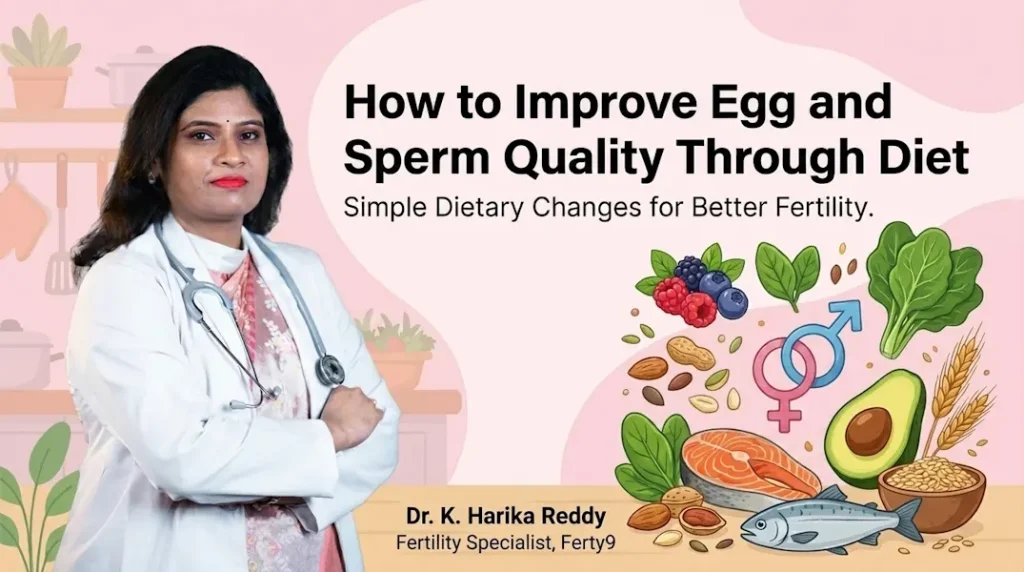
- Diet Can Improve Fertility – A nutrient-rich diet may improve egg and sperm quality by supporting hormone balance, cell repair, and reproductive function. Fertility experts often recommend consistent dietary changes for at least 3 months before trying to measure noticeable improvements.
- Antioxidants Protect Eggs and Sperm – Vitamins C and E, zinc, selenium, and folate help reduce oxidative stress that can damage reproductive cells. Berries, spinach, citrus fruits, nuts, and seeds are commonly recommended fertility-supporting foods.
- Omega-3 Fats Support Reproduction – Healthy fats from salmon, walnuts, flaxseeds, and chia seeds may improve sperm motility and support healthy egg development. Replacing processed fats with omega-3-rich foods can also help maintain hormonal balance.
- Simple Fertility Meal Choices Help – Fertility-friendly meals often include leafy greens, whole grains, lean proteins, fruits, and healthy fats. A sample plan may include eggs and avocado for breakfast, grilled fish with vegetables for lunch, and nuts or yogurt as snacks.
- Healthy Habits Improve Conception Chances – Dr. K Harika Reddy, Fertility specialist at Ferty9 Fertility Center recommend combining diet changes with exercise, hydration, reduced alcohol intake, and medical fertility evaluations for couples trying to conceive naturally.
Why Egg and Sperm Quality Matter More Than Quantity
When couples start their fertility journey, many focus on egg count or sperm count alone. However, quality significantly outweighs quantity in natural conception.
According to Dr. K Harika Reddy, MBBS, DGO, a board-certified fertility specialist at Ferty9 Fertility Center with 9+ years of experience in reproductive medicine, explains in the above video, “Even women with lower ovarian reserve can achieve healthy pregnancies if their eggs are of high quality. The same principle applies to male fertility – optimal sperm quality is essential for successful natural conception.“
Research supports this: studies published in Fertility and Sterility show that egg quality, measured by chromosomal health and mitochondrial function, is a stronger predictor of pregnancy success than egg quantity, particularly in women over 35.
Essential Nutrients for Reproductive Health
Both eggs and sperm require specific vitamins and minerals to develop properly and maintain optimal health. The key nutrients that fertility specialists recommend include:
- Selenium: Protects reproductive cells from oxidative damage
- Zinc: Critical for sperm production and motility
- Folic Acid (Folate): Supports healthy cell division and DNA synthesis
- Vitamin D: Regulates hormone production and egg maturation
- Vitamin C: A powerful antioxidant that improves sperm quality
According to research from the American Society for Reproductive Medicine (ASRM), consistent intake of these nutrients can improve fertility markers in both men and women when maintained over several months.
The Best Foods for Egg and Sperm Quality
Evidence-Based Fertility Diet Recommendations
| Food | Key Nutrients | Fertility Benefit | Recommended Amount |
| Walnuts | Omega-3 fatty acids, antioxidants | Protects egg and sperm DNA from oxidative damage; improves sperm morphology | 2 walnuts daily (about 14 halves) |
| Pumpkin seeds | Zinc, selenium, vitamin E | Improves sperm motility and count; supports egg quality | 1-2 tablespoons daily |
| Sunflower seeds | Vitamin E, selenium, folate | Supports reproductive cell membrane health and antioxidant defense | 1-2 tablespoons daily |
| Boiled eggs | Vitamin D, choline, protein | Essential for hormone production and healthy cell development | 1 egg daily |
| Spinach | Folate, iron, antioxidants | Supports healthy ovulation and cell division; prevents anemia | 1 cup cooked, 3-4 times weekly |
| Amaranth (Thotakura) | Iron, folate, calcium | Supports blood health and reproductive cell nourishment | 1 cup cooked, 2-3 times weekly |
| Tomatoes | Lycopene (powerful antioxidant) | Improves sperm morphology and motility by up to 23% in studies | 1 medium tomato daily or 2 tablespoons paste |
| Bell peppers (Capsicum) | Vitamin C, antioxidants | Protects sperm from DNA damage; supports egg quality | ½ cup daily |
| Bottle gourd | Hydration, minerals, fiber | Supports overall cellular health and detoxification | ½ cup cooked, 2-3 times weekly |
| Dark chocolate (70%+ cacao) | Arginine, flavonoids | Increases blood flow to reproductive organs; improves endometrial lining | 1 small square (20-30g) daily |
Supporting Research
A 2020 meta-analysis in Human Reproduction Update found that men who consumed diets rich in antioxidants (from nuts, seeds, and vegetables) showed a 23% improvement in sperm motility and a 17% improvement in sperm morphology compared to control groups.
Similarly, research published in Obstetrics & Gynecology demonstrated that women with higher dietary intake of folate, vitamin D, and omega-3 fatty acids had improved egg quality markers and higher natural conception rates.
The 3-to-6-Month Timeline: Why Consistency is Critical
Understanding Reproductive Cell Development
Dietary improvements don’t produce overnight results. Here’s why the 3-6 month timeline matters:
For Men:
- Spermatogenesis (complete sperm production cycle) takes approximately 74 days
- An additional 2-3 weeks are needed for sperm maturation
- Total timeline: 90-100 days (roughly 3 months) to see improvements in sperm quality
For Women:
- Egg maturation takes approximately 90 days before ovulation
- Eggs begin maturing 3-4 months before they’re released
Dr. Reddy explains: “When couples commit to nutritional changes for at least three months, they’re essentially nourishing an entirely new generation of reproductive cells from start to finish. This is why we see measurable improvements in fertility markers after this critical window.”
A study in Fertility Research and Practice confirmed that couples who maintained fertility-supportive diets for 4-6 months showed significant improvements in conception rates compared to those who made short-term changes.
Beyond Diet: Essential Lifestyle Factors
The Stress-Fertility Connection
Nutrition is foundational, but it works best when combined with stress management. Chronic stress elevates cortisol levels, which can:
- Disrupt ovulation and menstrual cycles
- Reduce testosterone and sperm production
- Impair reproductive hormone balance
Evidence-based stress reduction strategies:
- Yoga: Studies show 45 minutes of yoga 3-4 times weekly reduces cortisol by 15-20%
- Meditation: Daily 10-15 minute mindfulness practice improves fertility outcomes
- Moderate exercise: 30 minutes of walking or light cardio 4-5 times weekly (avoid overtraining)
Sleep and Fertility
Emerging research shows that 7-8 hours of quality sleep regulates reproductive hormones like FSH, LH, and progesterone. Sleep deprivation can reduce fertility by disrupting these critical hormonal signals.
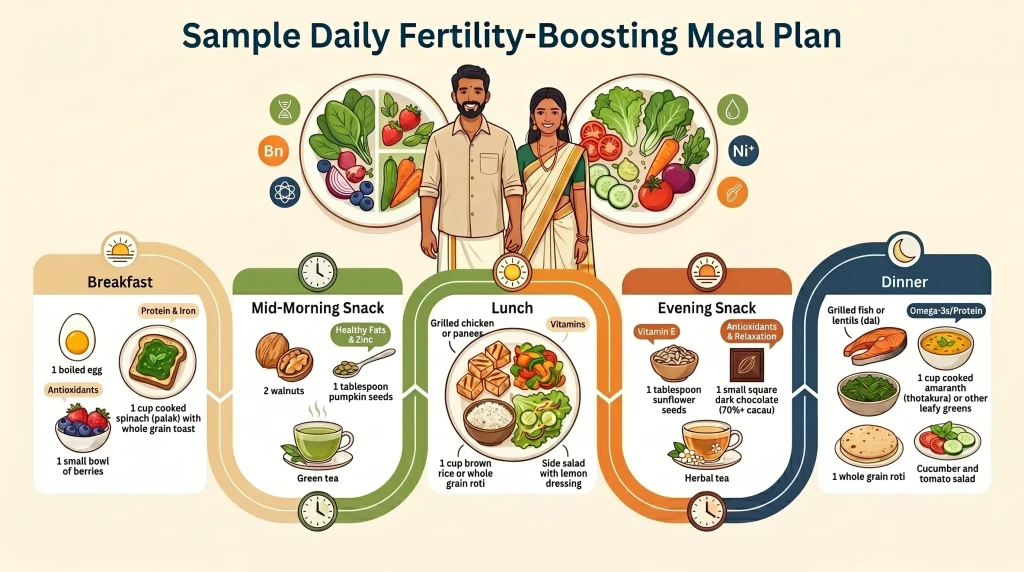
Sample Daily Fertility-Boosting Meal Plan
Breakfast
- 1 boiled egg
- 1 cup cooked spinach (palak) with whole grain toast
- 1 small bowl of berries
Mid-Morning Snack
- 2 walnuts
- 1 tablespoon pumpkin seeds
- Green tea (rich in antioxidants)
Lunch
- Grilled chicken or paneer
- 1 cup mixed vegetables (capsicum, bottle gourd, tomatoes)
- 1 cup brown rice or whole grain roti
- Side salad with lemon dressing
Evening Snack
- 1 tablespoon sunflower seeds
- 1 small square dark chocolate (70%+ cacao)
- Herbal tea
Dinner
- Grilled fish or lentils (dal)
- 1 cup cooked amaranth (thotakura) or other leafy greens
- 1 whole grain roti
- Cucumber and tomato salad
When Diet and Lifestyle Aren’t Enough
Important Medical Considerations
While nutritional optimization supports reproductive health, diet alone cannot address structural or medical fertility conditions such as:
Common fertility issues requiring medical intervention:
- Blocked fallopian tubes (often caused by endometriosis or pelvic inflammatory disease)
- Severe male factor infertility (very low sperm count below 5 million/ml, zero motility)
- Polycystic Ovary Syndrome (PCOS) with anovulation
- Endometriosis affecting ovarian function
- Advanced maternal age (diminished ovarian reserve, typically 38+)
- Hormonal imbalances (thyroid disorders, low AMH levels)
When to See a Fertility Specialist
Seek a comprehensive fertility evaluation if:
- You’ve been actively trying to conceive for 12 months (if under 35)
- You’ve been trying for 6 months (if 35 or older)
- You have irregular or absent menstrual cycles
- You have a history of pelvic surgery, endometriosis, or STIs
- Male partner has a history of testicular injury, chemotherapy, or hormonal issues
Dr. Reddy emphasizes: “Combining evidence-based nutritional changes with appropriate medical treatment provides the best outcomes. Diet supports fertility, but it’s not a substitute for medical diagnosis and treatment when underlying conditions exist.“
The Evidence: Real Results from Nutritional Optimization
What the Research Shows
A 2021 prospective study published in JAMA Network Open followed 500 couples trying to conceive. Those who adhered to a Mediterranean-style diet rich in the nutrients mentioned above showed:
- 29% higher natural conception rates within 6 months
- Improved semen parameters (motility increased by 18%, morphology by 14%)
- Better ovarian response in women undergoing fertility treatment
The Harvard Nurses’ Health Study II, which tracked over 18,000 women, found that those following a “fertility diet” pattern (high in plant-based proteins, full-fat dairy, complex carbohydrates, and the vitamins/minerals listed above) had an 80% lower risk of ovulatory infertility.
Supplements vs. Food: What’s More Effective?
The Whole Food Advantage
While prenatal vitamins and fertility supplements can help fill nutritional gaps, whole foods offer distinct advantages:
Why Whole Foods works better:
- Bioavailability: Nutrients from food are more easily absorbed than synthetic supplements
- Synergistic effects: Foods contain multiple beneficial compounds that work together (e.g., lycopene in tomatoes is better absorbed with healthy fats)
- No toxicity risk: Unlike high-dose supplements (especially selenium and vitamin A), food-based nutrients are self-regulating
When Supplements May Help
Consider supplements after consulting with your fertility specialist if:
- Blood tests reveal specific deficiencies (vitamin D, iron, B12)
- You have dietary restrictions (vegan, lactose intolerant)
- You have a diagnosed condition affecting nutrient absorption (celiac disease, IBS)
Important: Never start high-dose supplements without medical supervision. Excessive selenium (>400 mcg/day) can be toxic, and high vitamin A intake can harm fetal development.
How quickly will I see results from dietary changes?
Most couples see measurable improvements in fertility markers after 3-6 months of consistent dietary changes. This timeline aligns with reproductive cell development cycles (sperm takes ~74 days, eggs ~90 days to mature).
Can diet alone help me get pregnant?
Diet supports reproductive health but works best as part of a comprehensive approach including stress management, proper sleep, and the right exercises. If you have underlying medical conditions (PCOS, endometriosis, blocked tubes), you’ll need medical treatment alongside nutritional optimization.
What foods should I avoid for fertility?
You should limit or avoid:
- Trans fats (fried foods, processed baked goods) – linked to ovulatory infertility
- Excessive alcohol (more than 4 drinks/week can reduce fertility by 16%)
- High-mercury fish (swordfish, king mackerel) – can harm reproductive health
- Processed meats – associated with lower sperm quality
- Sugary beverages – linked to insulin resistance and PCOS
Do men need to follow this diet too?
Yes. Male factor contributes to 40-50% of infertility cases. The same nutrients that improve egg quality also significantly enhance sperm count, motility, and morphology. Both partners should commit to fertility-supportive nutrition.
Is organic food necessary?
While not absolutely required, choosing organic food (spinach, tomatoes, bell peppers) can reduce pesticide exposure, which some studies link to reduced fertility. Prioritize organic when the budget allows, but conventionally grown produce is still beneficial.
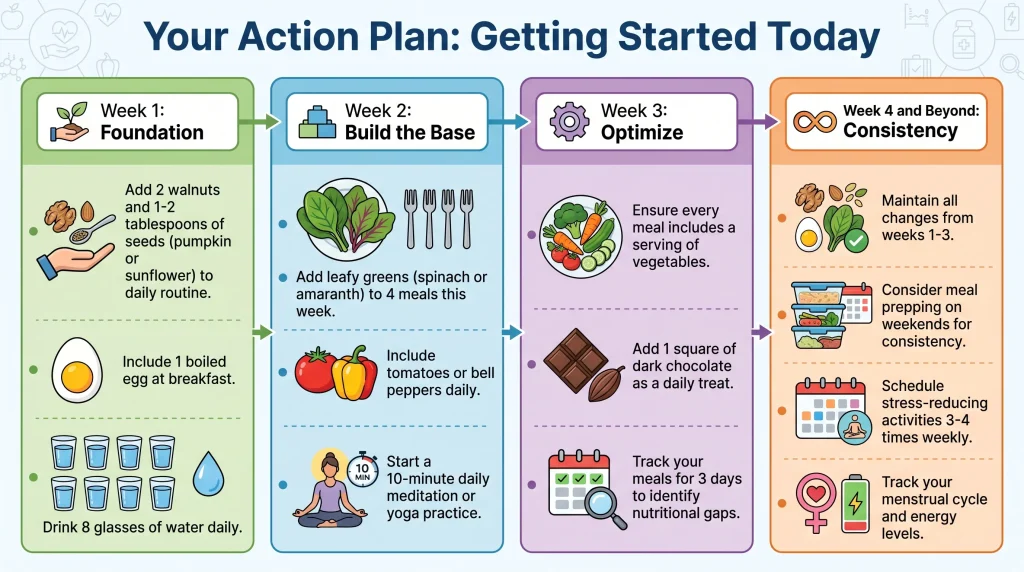
Your Action Plan: Getting Started Today
Week 1: Foundation
- Add 2 walnuts and 1-2 tablespoons of seeds (pumpkin or sunflower) to your daily routine
- Include 1 boiled egg at breakfast
- Drink 8 glasses of water daily
Week 2: Build the Base
- Add leafy greens (spinach or amaranth) to 4 meals this week
- Include tomatoes or bell peppers daily
- Start a 10-minute daily meditation or yoga practice
Week 3: Optimize
- Ensure every meal includes a serving of vegetables
- Add 1 square of dark chocolate as a daily treat
- Track your meals for 3 days to identify nutritional gaps
Week 4 and Beyond: Consistency
- Maintain all changes from weeks 1-3
- Consider meal prepping on weekends for consistency
- Schedule stress-reducing activities 3-4 times weekly
- Track your menstrual cycle and energy levels
About the Expert – Dr. K Harika Reddy
Dr. K Harika Reddy, MBBS, DGO, brings over 9 years of clinical experience in reproductive medicine to her practice at Ferty9 Fertility Center. She has helped over 1,000 couples achieve their dream of parenthood through a combination of advanced fertility treatments and evidence-based lifestyle interventions.
Her approach emphasizes:
- Personalized nutrition plans based on individual hormonal profiles and medical history
- Integration of conventional treatment with supportive lifestyle modifications
- Patient education to empower couples with knowledge and realistic expectations
- Holistic care addressing physical, emotional, and psychological aspects of fertility
For comprehensive fertility evaluation and personalized treatment plans, schedule a consultation at Ferty9 Fertility Center.
Final Thoughts: Quality Over Everything
Improving egg and sperm quality through nutrition is a scientifically supported strategy that works – when approached with realistic expectations and consistency. By prioritizing nutrient-dense, antioxidant-rich foods and maintaining these changes for 3-6 months, couples create the optimal cellular environment for healthy conception.
Remember, fertility is multifactorial. Diet is a powerful tool, but it’s most effective when combined with stress management, quality sleep, appropriate exercise, and timely medical care when needed. The evidence is clear: couples who commit to comprehensive fertility-supportive lifestyles see measurable improvements in reproductive health markers and natural conception rates. Your journey begins with the next meal you eat.
References
- American Society for Reproductive Medicine. (2020). “Optimizing Natural Fertility: A Committee Opinion.” Fertility and Sterility, 114(5), 861-869.
- Gaskins, A. J., et al. (2021). “Dietary patterns and outcomes of assisted reproduction.” JAMA Network Open, 4(5), e2111164.
- Chavarro, J. E., et al. (2007). “Diet and lifestyle in the prevention of ovulatory disorder infertility.” Obstetrics & Gynecology, 110(5), 1050-1058.
- Salas-Huetos, A., et al. (2020). “Dietary patterns and semen quality: A systematic review and meta-analysis.” Human Reproduction Update, 26(2), 295-316.
- Sharma, R., et al. (2016). “Lifestyle factors and reproductive health: Taking control of your fertility.” Reproductive Biology and Endocrinology, 14(1), 66.
















 No need to worry, your data is 100% safe with us!