


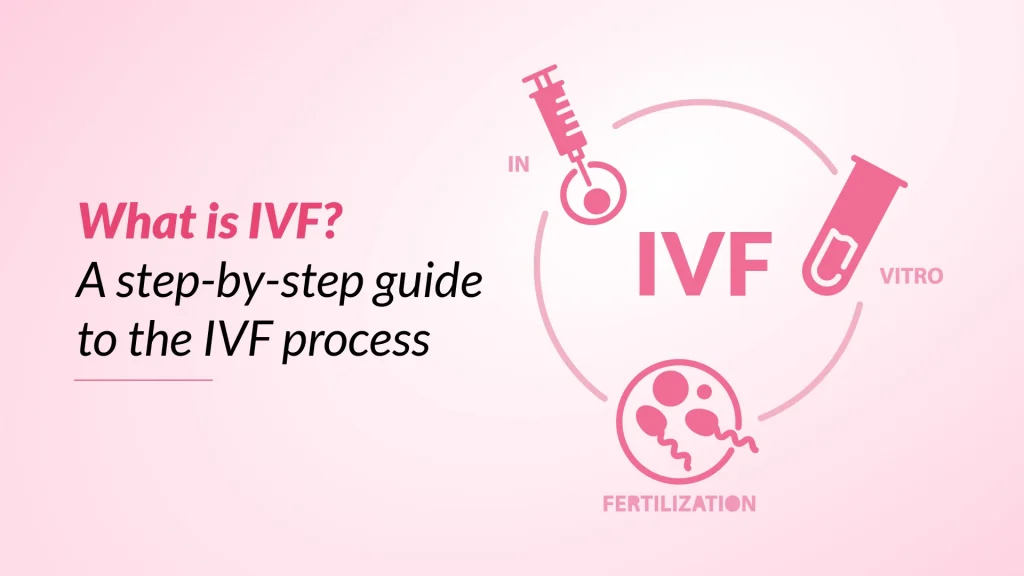
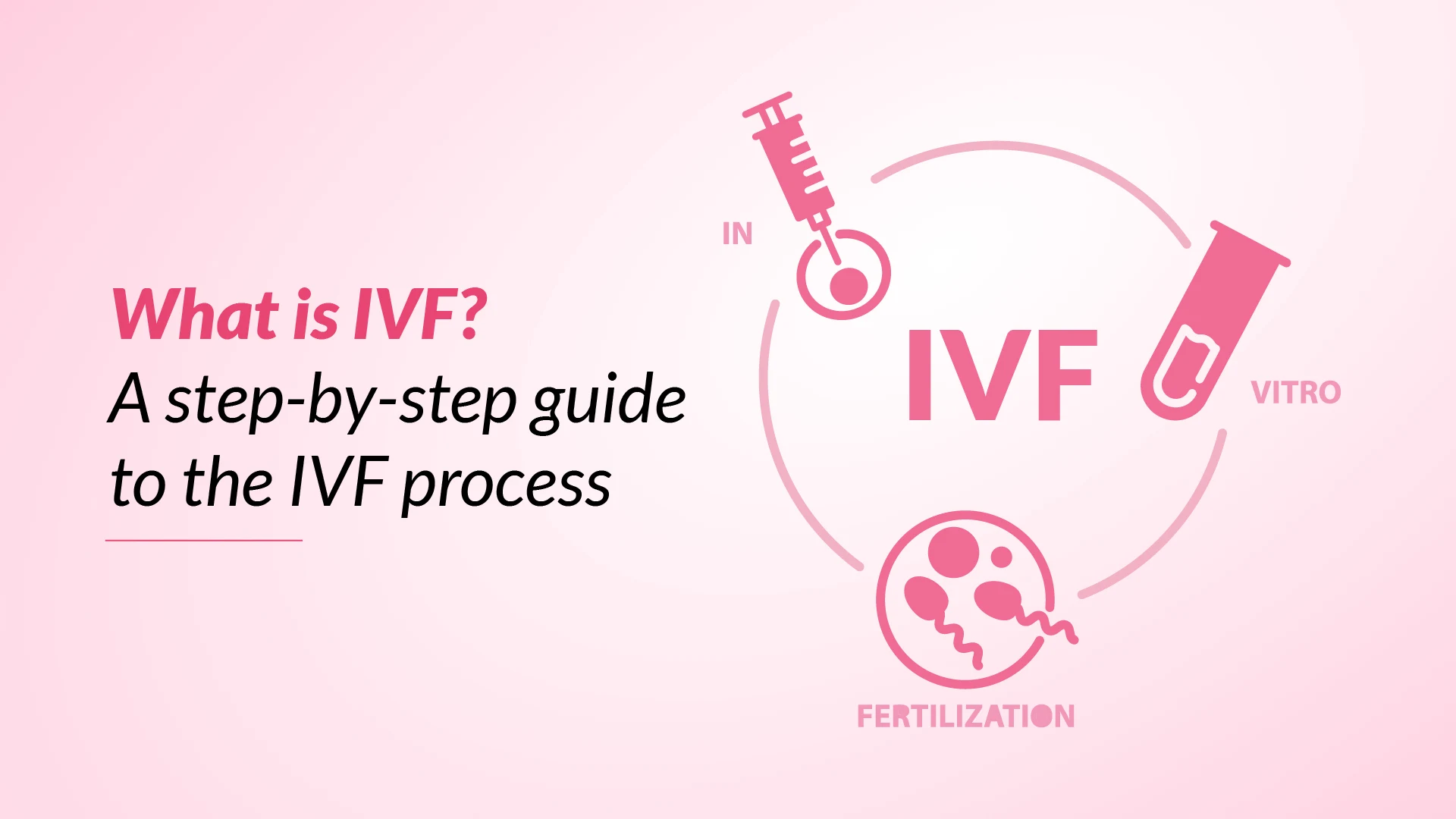
Infertility treatment can be a demanding journey for couples hoping to start a family. When natural conception proves difficult, many turn to assisted reproductive technologies (ARTs) like in vitro fertilisation (IVF). With this blog, we will try to uncover the intricacies of the IVF process, providing a step-by-step understanding of this widely used fertility treatment.
Also read: IVF Affordability: Separating Myths from Reality with Ferty9
What is IVF?
In vitro fertilisation (IVF) is a series of procedures used to treat fertility issues and assist with conception. It includes stimulating the ovaries to generate multiple eggs, retrieving these mature eggs from the ovaries, and fertilising them with sperm in a controlled laboratory setting. After fertilisation, fertility experts and skilled embryologists monitor the resulting embryos for development. The fertility expert then transfers one or more healthy embryos into the uterus with the hope of establishing a successful pregnancy.
Related read: Must-Know Facts About IVF
Common Reasons Why Couples Might Turn to IVF
Couples may opt for IVF due to various factors, including:
- Fallopian Tube Blockage or Damage: If the fallopian tubes are obstructed or damaged, it can prevent the egg from travelling to the uterus for fertilisation.
- Ovulation Disorders: Ovarian conditions like polycystic ovary syndrome (PCOS) or premature ovarian failure can disrupt ovulation, making natural conception difficult.
- Endometriosis: This condition, characterised by the growth of uterine tissue outside the uterus, can impair fertility.
- Male Factor Infertility: Certain issues, such as low sperm count, abnormal sperm shape, or poor sperm motility, can contribute to infertility.
- Unexplained Infertility: In some instances, the cause of infertility remains unknown, even after extensive testing.
- Advanced Maternal Age: Due to age-related fertility decline, many women over 35 use IVF to increase their chances of becoming pregnant.
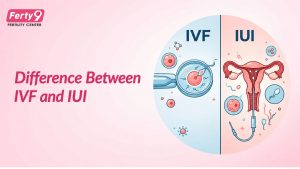
- Failed Fertility Treatments: If IUI (Intrauterine Insemination) and other fertility treatments haven’t worked, couples may turn to IVF as their next step.
The IVF Process and Timeline
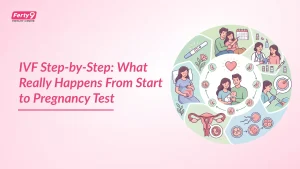
The IVF process is a multi-step journey that typically takes several weeks to complete. The following is a detailed breakdown of the stages involved:
Initial Consultation and Evaluation
The first step in the IVF process is an initial consultation with a fertility specialist. During the first consultation, the specialist will evaluate the couple’s medical history, fertility issues, and overall health. They may also conduct several diagnostic tests, such as blood work, ultrasounds, and semen analysis, to assess the underlying causes of infertility.
Ovulation Stimulation
The woman will undergo ovulation stimulation to increase the chances of retrieving multiple eggs. This process involves taking fertility medications, such as injectable hormones, to stimulate the ovaries to generate numerous mature eggs. Regular monitoring through blood pictures and ultrasounds will track the progress of follicle development.
Egg Retrieval
The egg retrieval procedure is performed once the follicles have reached the desired size. This minor surgical procedure is done under sedation or general anaesthesia. Using an ultrasound-guided needle, doctors carefully retrieve the mature eggs from the ovaries through the vaginal wall.
Related read: Freezing Eggs: Procedure, Cost, and Anticipations
Fertilisation and Embryo Culture
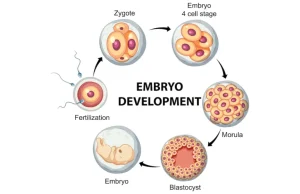
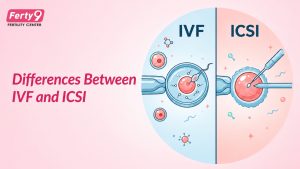
In the laboratory, the retrieved eggs are combined with the partner’s or donor’s sperm to facilitate fertilisation. This process can occur through intracytoplasmic sperm injection (ICSI) or conventional insemination, where a single sperm cell is injected directly into the egg. The fertilised eggs, now called embryos, are closely monitored and allowed to develop in a controlled laboratory environment for several days.
Embryo Transfer
After the embryos have reached the appropriate stage of development, a fertility specialist carefully transfers one or more embryos into the woman’s uterine cavity using a thin catheter. This procedure is typically performed under mild sedation or without anaesthesia.
The Two-Week Wait and Pregnancy Test
Following the embryo transfer, the couple enters a crucial waiting period known as the “two-week wait.” During this time, the embryo(s) may implant in the uterine lining, resulting in a successful pregnancy.
After approximately two weeks, a blood test is performed to determine if the IVF cycle was successful and if a pregnancy has been achieved.
What are the Factors that can Affect the Success of IVF?
Various factors can influence the success of IVF, including:
- Age: A woman’s age is a significant factor, as fertility declines with increasing age, particularly after 35.
- Ovarian Reserve: The quality & quantity of a woman’s remaining eggs, known as the ovarian reserve, play a crucial role in IVF success.
- Cause of Infertility: The underlying reason for infertility, such as endometriosis or male factor infertility, can impact the success rates.
- Sperm Quality: Sperm quality, motility, and morphology can impact IVF success rates.
- Lifestyle Factors: Certain lifestyle behaviours like smoking, a sedentary lifestyle, excessive alcohol consumption, and obesity can negatively affect IVF outcomes.
- Embryo Quality: The quality and developmental stage of the transferred embryo(s) significantly influence the chances of a successful pregnancy.
Summary
The IVF process is a complex and emotionally demanding journey, but it offers hope to many couples struggling with infertility. By understanding the step-by-step process and the factors that can influence success, couples can make conscious decisions and increase their chances of achieving their dream of parenthood.













 No need to worry, your data is 100% safe with us!