


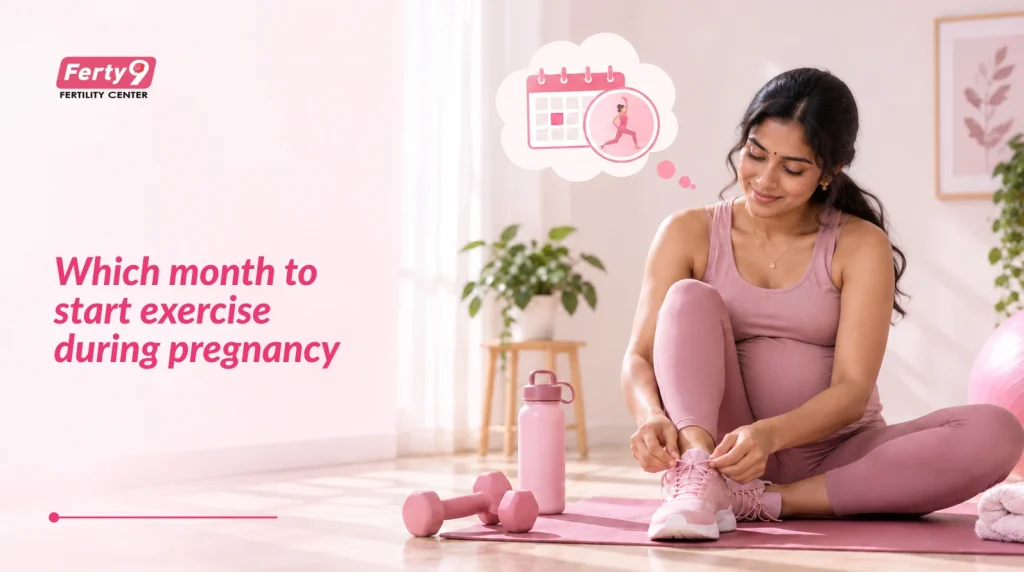
For most women with an uncomplicated pregnancy, light to moderate exercise can be started or continued from early pregnancy. If you have a medical or obstetric complication, speak with your doctor before starting or changing your exercise routine. There’s no medical rule that says you have to wait for the second trimester.
Pregnancy exercises and prenatal exercise routines change shape as you go, and working out during pregnancy isn’t something you need a special reason to start. What changes month to month is how much and what kind, more than whether you can move at all. Nausea and fatigue are common in early pregnancy and may naturally reduce how much exercise you feel able to do. It is perfectly reasonable to reduce the duration or intensity of exercise during this time and gradually increase activity as you feel better.
Is there a right month to start?
If you have an uncomplicated pregnancy, you do not need to wait until the second trimester to be physically active. Light to moderate exercise can generally be started or continued from early pregnancy. However, if you have a medical or obstetric condition that may affect exercise safety, speak with your doctor before exercising.
How much exercise do you actually need?
For most pregnant women without contraindications, health guidelines recommend at least 150 minutes of moderate-intensity aerobic physical activity per week, spread across the week. Break that down and it’s about 30 minutes on most days, or three 10-minute walks if that fits your schedule better. Moderate intensity means you’re breathing harder and can still hold a conversation. Singing is a stretch, though.
A healthy first trimester now gets treated the same as any other stage: safe for moderate activity, with a little extra attention paid to heat and hydration.
Which month to start exercise during pregnancy, trimester by trimester
Month 1 to 3 (first trimester)
Nausea, fatigue and breast tenderness are common during the first trimester and may make exercise more difficult. In an uncomplicated pregnancy, physical activity can usually be continued at a comfortable intensity. Already active before pregnancy? Keep most of your routine going at a comfortable effort level. Starting from zero? Walking, prenatal yoga and swimming are easier entry points, and a structured prenatal exercise class can help if you’d rather have guidance than figure it out alone.
First Trimester Exercise Do’s and Don’ts
Exercise during early pregnancy generally follows the same principles as exercise later in pregnancy. Throughout pregnancy, take particular care to avoid overheating, stay hydrated and adjust the intensity according to how you feel.
- Skip hot yoga and other high-heat workouts. Your body’s temperature regulation runs more sensitive early on, so a cool room and steady water intake before, during and after matter more than usual.
- Keep effort moderate. Struggling to talk normally is your cue to ease off.
- Reduce the intensity or stop exercising if you feel dizzy, unusually breathless, faint, excessively fatigued or unwell. Seek medical advice if symptoms are persistent or concerning.
Month 4 to 6 (second trimester)
Energy tends to come back here, and plenty of women say this stretch is when they feel their best. Walking, swimming, stationary cycling and light strength training all still work in months 4, 5 and 6, adjusting weight and reps as your body shifts under you.
After the first trimester, avoid prolonged exercise while lying flat on your back, particularly if it causes dizziness, nausea or discomfort. Modify exercises to seated, standing, side-lying or other comfortable positions. As the uterus grows, that position can press on a major vein and cut down blood flow. Swap in side-lying or seated versions of anything that used to have you on your back.
Balance gets trickier too, as your center of gravity moves. As your centre of gravity changes, your balance may become less stable. Activities with a significant risk of falling, such as outdoor cycling on uneven terrain, should be avoided or modified.
Month 7 to 9 (third trimester)
By month 7, walking, swimming and prenatal yoga tend to be the most comfortable choices, as the belly grows and joints loosen. Swimming in particular takes weight off your joints and can ease swelling.
Slowing down is normal here. Balance is harder, breathing takes more work, and there’s more pressure lower down than there used to be. This isn’t the stretch for chasing personal bests. It’s the stretch for staying gently, consistently active.Pelvic floor exercises can be performed throughout pregnancy and continued after birth. They help strengthen the pelvic floor muscles and support recovery after delivery.
If you never exercised before pregnancy, start here
You don’t need to already be fit. If you were inactive before pregnancy, start slowly and increase duration and intensity gradually according to your comfort and medical advice:
- Week 1 to 2: 5 to 10 minutes of walking, most days
- Week 3 to 4: Build to 15 to 20 minutes, most days
- Week 5 onward: Work up toward 30 minutes most days, or split it into shorter chunks across the day
When to Start Walking During Pregnancy
Walking is one of the simplest activities to start or continue during pregnancy. If you have no medical or obstetric contraindications to exercise, you can generally walk at a comfortable pace throughout pregnancy. Pace and terrain shift trimester to trimester, not whether walking itself is allowed; stick to flat, stable ground as your balance changes later on, and lean on it as your fallback activity whenever the ramp-up above feels like too much for the day.
Hard, sudden workouts aren’t the goal. Steady and consistent wins out over intense and sporadic, especially in the early months.
Benefits of Exercise During Pregnancy (Why Starting Early Helps)
- Helps you gain weight within a healthy range for your pregnancy
- Eases common discomforts like back pain, constipation and swelling
- Lowers your risk of gestational diabetes and preeclampsia
- May reduce the risk of some pregnancy and delivery complications
- Helps you sleep better and manage stress
- Builds strength and stamina that helps during labor and recovery
Who should talk to their doctor before exercising during pregnancy
Exercise is beneficial for most pregnant women, but certain medical or obstetric conditions may require exercise to be modified, restricted or temporarily avoided. Talk to your doctor first if any of these apply to you:
- Preterm labor, vaginal bleeding, or your water has broken. These symptoms require prompt assessment by your obstetrician before you continue exercising.
- A multiple pregnancy (twins or more) with other risk factors for preterm labor. Some multiple pregnancies require modifications to exercise, particularly when there are additional risk factors for preterm birth. Follow your obstetrician’s individualized advice.
- Cervical insufficiency or a cerclage. The cervix opens earlier than it should; a cerclage is a stitch placed to help keep it closed.
- Gestational hypertension or preeclampsia. High blood pressure conditions that start after 20 weeks of pregnancy.
- Placenta previa after 26 weeks. The placenta covers all or part of the cervix here, which raises bleeding risk.
- Severe anemia, or a heart or lung condition. Conditions like these change how well your body handles the extra demand exercise puts on it.
You’re not stuck in bed if one of these applies to you. It just means the type and intensity of activity gets decided with your provider, rather than guessed at from a blog post. Including this one.
Common myths about exercise and pregnancy
| Myth | Fact |
| You should wait until 12 weeks to move your body at all | Light activity is fine from month one, once your doctor gives the OK |
| Any exercise raises your risk of miscarriage | Moderate exercise in a healthy, low-risk pregnancy does not raise miscarriage risk |
| You should stop all exercise once you start showing | Most women keep exercising into the third trimester, just at a gentler pace |
| Strength training is unsafe during pregnancy | Light to moderate strength training is generally safe, with some adjustments to weight and position |
| If you weren’t active before, it’s too late to start | You can start at any point, beginning with a few minutes a day and building from there |
Best Exercise During Pregnancy: Safe Activities vs Exercises to Avoid When Pregnant
| Usually safe | Usually not safe |
| Walking | Contact sports (basketball, soccer, ice hockey) |
| Swimming and water aerobics | Horseback riding, downhill skiing, off-road cycling |
| Stationary cycling | Scuba diving |
| Prenatal yoga and Pilates | Hot yoga or hot Pilates |
| Low-impact aerobics | Exercises flat on your back, after the first trimester |
| Light to moderate strength training | Activities with a high fall or abdominal-impact risk |
Warning signs: when to stop and call your doctor
- Vaginal bleeding or fluid leaking
- Severe abdominal pain or persistent pelvic pain
- Chest pain, a racing heartbeat, or trouble breathing
- Dizziness, fainting or a severe headache
- Calf pain or swelling on one side, which can signal a blood clot
- Regular, painful contractions
- A noticeable reduction or change in your baby’s movements after movements have become established
Normal tiredness vs overexertion
Pregnancy fatigue varies considerably from person to person. Some tiredness after exercise can be normal, but exercise should not leave you feeling unwell or excessively exhausted. If you experience unusual breathlessness, dizziness, faintness, pain or symptoms that do not settle with rest, stop exercising and seek medical advice.
Starting exercise again after birth
After an uncomplicated vaginal birth, gentle activity such as walking can often be resumed gradually when you feel ready and there are no medical concerns. After a caesarean birth or a complicated delivery, recovery and return to exercise should be individualized with your healthcare provider. Increase activity gradually and stop if you develop pain, excessive bleeding or other concerning symptoms.
The one step that matters most
Whatever month you’re in, the most important step is to make sure your exercise routine is appropriate for your pregnancy. For most women with an uncomplicated pregnancy, regular physical activity is beneficial. If you have a history or condition that may affect exercise safety, discuss your individual exercise plan with your obstetrician.
FAQs
Is it safe to start exercising in the first month of pregnancy?
Yes. For most women with an uncomplicated pregnancy, light to moderate exercise can be started or continued from early pregnancy. If you have any medical or obstetric risk factors, speak with your doctor before exercising.
Do I have to wait until the second trimester to exercise?
“No. For most women with an uncomplicated pregnancy, there is no routine requirement to wait until the second trimester before exercising.
What is the best exercise to start with if I’ve never worked out before?
Walking. Low-impact, no equipment needed, and easy to build up gradually.
Can exercise cause a miscarriage?
In a healthy pregnancy, moderate exercise doesn’t increase miscarriage risk.
Can jumping or dancing cause a miscarriage?
No. Normal movement, including jumping, dancing or other moderate activity, doesn’t cause miscarriage in a healthy, low-risk pregnancy. Miscarriage is almost always tied to chromosomal or medical factors rather than activity level. If a specific movement worries you, ask your doctor at your next visit.
Does exercise cause an early pregnancy loss (“abortion”)?
No. Moderate exercise doesn’t raise the risk of pregnancy loss in a healthy pregnancy. Bleeding, cramping or other symptoms are a reason to stop and call your doctor, but they’re not a sign that exercise caused the problem.
How many days a week should I exercise while pregnant?
Most days works best, aiming for around 150 minutes of moderate activity spread across the week.
Is running safe during pregnancy?
If you ran regularly before pregnancy and have no complications, you can usually keep going at a comfortable pace, with your doctor’s confirmation.
When should I stop doing ab exercises like sit-ups?
After the first trimester. Lying flat on your back can reduce blood flow, so it’s worth switching to seated or side-lying versions from there.
Can I start strength training if I’ve never lifted weights before?
Yes. Start with light weights and higher reps, and check with your doctor about how much you can safely lift.
Is swimming safe throughout pregnancy?
Yes, all three trimesters. The water supports your weight and takes pressure off your joints.
What if I have morning sickness and can’t exercise in the first trimester?
That’s normal. Rest when you need it, and pick up light activity like short walks once you’re up for it. There’s no penalty for starting a few weeks later than someone else did.
Does walking count as real exercise during pregnancy?
Yes. A brisk walk raises your heart rate and counts fully toward your weekly target, without straining your joints.
Can I do prenatal exercise videos at home instead of going to a class?
Yes, as long as the routine is labeled for pregnancy. Skip any move that has you flat on your back after the first trimester, or that just feels unstable.
When should I start exercise for a normal delivery?
There’s no single start date tied to delivery type. What’s actually linked to easier labor and recovery is staying active throughout pregnancy, starting whenever your doctor clears you, not hitting some specific week on a calendar.


















 No need to worry, your data is 100% safe with us!