


In India, our days often begin and end with a steaming cup of chai or strong filter coffee. While these beverages provide comfort and energy to tackle a busy day, if you and your partner are trying to plan a family, it is essential to take a closer look at your daily caffeine intake.
Caffeine is a stimulant that easily travels through your bloodstream, affecting your nervous system, blood vessels, and ultimately, your reproductive hormones. Let’s explore how caffeine interacts with both male and female fertility and what steps you can take to manage your habits safely.
Related read: Tips for Maintaining Fertility While Pursuing a Fitness Passion
- Limit Daily Caffeine – Keep caffeine below 200 mg a day while trying to conceive. This is roughly 1 to 2 small homemade cups of tea or coffee.
- High Intake Affects Conception – More than 300 to 500 mg a day is linked with taking longer to get pregnant and can reduce blood flow to the uterus, affecting implantation.
- Excess Caffeine Affects Sperm – One small cup of black coffee can temporarily improve sperm movement, while several cups can damage sperm DNA and reduce sperm count.
- Count Hidden Caffeine – Sodas, chocolates, energy drinks, and workout supplements can add to daily caffeine intake, so include these when cutting back.
- Choose Simple Alternatives – Replace extra cups with Tulsi tea, CCF tea, buttermilk, coconut water, or diluted chai and coffee to reduce caffeine intake.
How Does Caffeine Impact Female Fertility?
For women trying to conceive, a healthy hormonal balance and excellent blood circulation to the reproductive organs are critical. High caffeine intake can disrupt both.
- Does it delay conception? Studies show that women who consume high amounts of caffeine (more than 300 to 500 mg a day) often take longer to get pregnant compared to those who drink less or none at all.
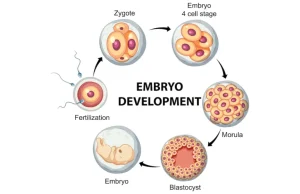
- Does caffeine affect implantation? Yes, it can. Caffeine causes blood vessels to constrict (narrow). When the blood vessels supplying the uterus narrow, it reduces the blood flow to the uterine lining, which can make it harder for a fertilized egg to successfully implant and grow.
- Can energy drinks cause infertility in females? Commercial energy drinks are particularly harmful. They contain not only massive doses of synthetic caffeine but also extreme amounts of refined sugar and artificial preservatives. Regular consumption can cause insulin spikes, which disrupt regular ovulation (the release of an egg) and worsens conditions like PCOS (Polycystic Ovary Syndrome), ultimately contributing to infertility.
What is the Effect of Caffeine on Male Fertility?
Fertility is a shared journey, and a man’s diet plays a massive role in conception. The relationship between caffeine and sperm health is a delicate balance.
- Is black coffee good for sperm count? In very small, moderate amounts (like one small cup a day), the antioxidants in black coffee might actually give sperm a temporary energy boost, improving their motility (ability to swim). However, drinking multiple cups a day has the exact opposite effect—it can damage sperm DNA and significantly reduce the overall sperm count.
- Can energy drinks cause infertility in men? Just like in women, the high sugar and synthetic chemicals in energy drinks lead to weight gain and oxidative stress in men. This severely damages the structural integrity of the sperm, leading to lower quality and decreased chances of successful fertilisation.
Are You Consuming Too Much Caffeine?
Sometimes, we consume far more caffeine than we realize because it is hidden in sodas, chocolates, and workout supplements. If you are experiencing the following symptoms, it is a sign that your caffeine intake is too high and may be affecting your reproductive health:
- Feeling constantly jittery, anxious, or restless.
- Difficulty falling asleep or experiencing broken sleep (insomnia).
- Unexplained, rapid heart palpitations.
- Severe acid reflux, heartburn, or upset stomach.
- Increased frequency of headaches when you miss your daily cup.
How Can You Safely Manage Caffeine Intake?
You do not necessarily have to quit your favourite morning ritual cold turkey, but moderation is the key. The National Institute of Nutrition (NIN) and reproductive experts suggest limiting caffeine to less than 200 mg per day (about 1 to 2 small homemade cups of coffee or tea).
Here are a few practical, Indian lifestyle tips to help you cut back:
- Switch to Herbal Alternatives: Replace your second or third cup of the day with caffeine-free options like Tulsi tea, cumin-coriander-fennel (CCF) tea, or warm water with lemon.
- Dilute Your Drinks: If you love filter coffee or strong masala chai, try using more milk (or plant-based milk) and fewer tea leaves or coffee powder.
- Avoid Pre-Workout Drinks: If you are hitting the gym, avoid heavily caffeinated pre-workout powders or energy drinks. Opt for natural energy boosters like a banana or a handful of soaked almonds.
- Stay Hydrated: Whenever you feel a mid-day slump, drink a glass of fresh buttermilk (chaas) or coconut water instead of reaching for an espresso.
Does Alcohol Affect Fertility and Conception Rates?
While managing caffeine is important, alcohol has a much more direct and scientifically proven negative effect on your family planning journey. There is no medically “safe” level of alcohol when trying to conceive.
- For Women: Regular or heavy drinking can severely disrupt the hormones that control your ovulation. It lowers egg quality, extends the time it takes to get pregnant, and significantly increases the risk of a miscarriage.
- For Men: Alcohol acts as a toxin to the male reproductive system. Men who drink regularly often face a noticeable decrease in testosterone, a lower sperm count, reduced sperm motility (movement), and a higher percentage of abnormally shaped sperm.
How Does Alcohol Impact Fertility Treatments Like IVF?
If you are undergoing medical treatments such as IVF (In Vitro Fertilization) or IUI in India, your lifestyle habits are even more critical. Research shows that consuming alcohol during these treatments can:
- Decrease the efficiency and effectiveness of the hormonal fertility drugs your doctor prescribes.
- Reduce the chances of a healthy embryo successfully implanting in the uterine wall.
- Raise the risk of early pregnancy loss after the therapy. Reproductive experts strongly advise both partners to completely abstain from alcohol while undergoing fertility treatments to maximize success rates.
What Are the Long-Term Effects of Heavy Caffeine and Alcohol Use?
Prolonged, heavy consumption of caffeine and alcohol does not just temporarily delay pregnancy; it creates chronic issues for your entire reproductive system:
- Severe Hormonal Disruption: Your liver is responsible for maintaining hormone balance and clearing out excess estrogen. Because alcohol damages liver health over time, it leads to deep-rooted hormonal imbalances that make natural conception extremely difficult.
- Heightened Risk to the Baby: Heavy drinking around the time of conception and during early pregnancy drastically heightens the risk of birth defects and developmental complications, such as Fetal Alcohol Syndrome.
When Should You Consult a Doctor?
If you have been actively trying to conceive for over a year (or six months if you are over the age of 35) without success, it is important to seek professional guidance. Do not try to self-diagnose your fertility issues simply by cutting out coffee. Visit a certified fertility specialist or gynaecologist. They can run proper diagnostic tests, evaluate your entire lifestyle, and provide a personalized, evidence-based treatment plan.


















 No need to worry, your data is 100% safe with us!