


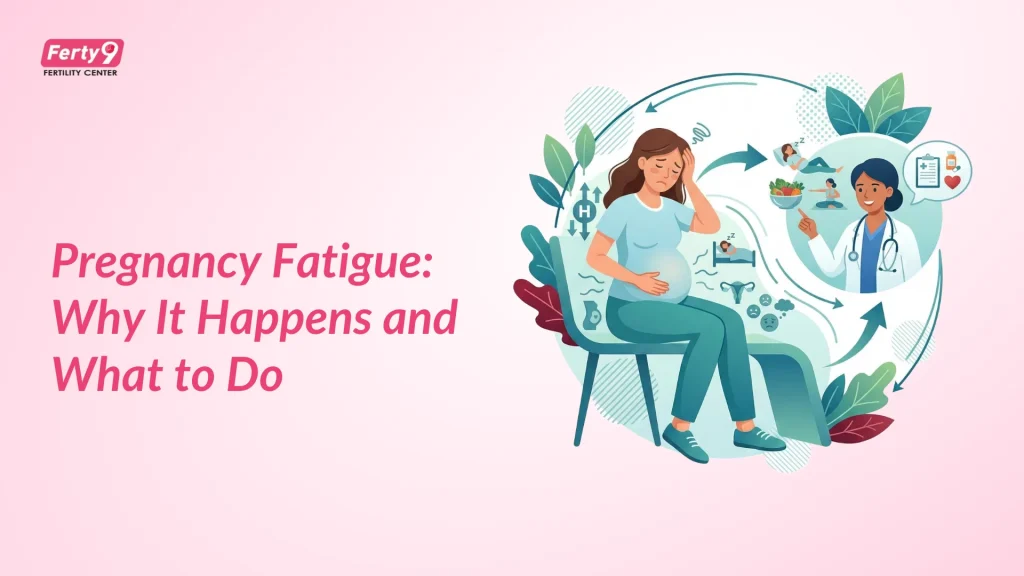
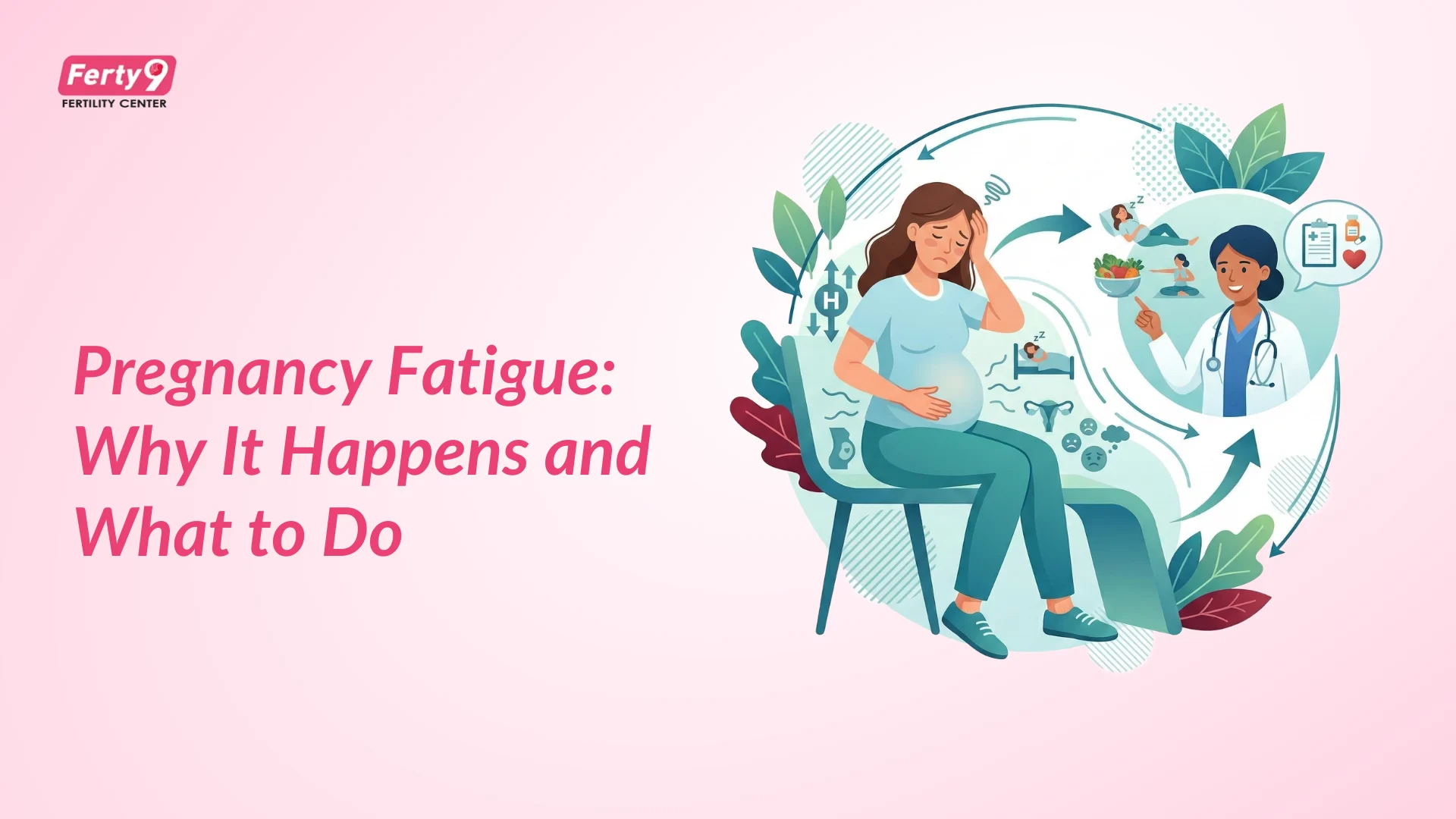
If you are expecting a baby and feel like you could sleep for a week straight, you are not alone. Feeling entirely drained is one of the most common and surprising symptoms of carrying a child. Many women expect morning sickness or food cravings, but the sheer level of exhaustion can catch you completely off guard.
Whether you are struggling to keep your eyes open at work or feeling drained after just taking a shower, understanding why your body is so tired is the first step to feeling better. Let’s explore why pregnancy fatigue happens and the best ways to manage it safely.
What Is Pregnancy Fatigue
Pregnancy fatigue is not just your everyday tiredness after a long day at the office. It is a bone-deep, overwhelming exhaustion that makes you feel like your energy battery is constantly at zero. It is your body’s natural response to the massive amount of work it is doing on the inside.
Why Fatigue Is Common During Pregnancy
Think of it this way: your body is working 24/7 to build a brand new human being from scratch. It is creating a new organ (the placenta), increasing your blood supply, and supporting the rapid growth of your baby. All of this internal construction requires a massive amount of energy, which naturally leads to weakness and fatigue during pregnancy.
When Pregnancy Fatigue Starts
Fatigue in the First Trimester
For many women, fatigue early pregnancy is one of the very first signs they are expecting. It usually kicks in right around the time you miss your period (around 4 to 5 weeks) and peaks during the first three months. Your body is undergoing a massive hormonal shift, making this phase incredibly tiring.
Energy Changes in the Second Trimester
Good news! For most women, the second trimester (months 4, 5, and 6) brings a welcome burst of energy. Often called the “honeymoon phase” of pregnancy, your hormones begin to stabilize, and the placenta takes over the heavy lifting of supporting the baby, leaving you feeling much more like yourself.
Exhaustion During the Third Trimester
As you enter the final stretch (months 7, 8, and 9), the tiredness usually returns, but for different reasons. Your baby is growing rapidly, adding extra physical weight for you to carry. Combined with backaches, frequent bathroom trips at night, and anxiety about labour, getting a good night’s rest becomes much harder.
Hormonal Changes That Cause Pregnancy Fatigue
Role of Progesterone
The primary culprit behind fatigue early pregnancy is a hormone called progesterone. During the first trimester, your progesterone levels skyrocket to help maintain the pregnancy and keep the uterine lining healthy. However, high levels of progesterone also act like a natural sedative, making you feel incredibly sleepy and sluggish.
Increased Blood Production
To ensure your baby gets enough oxygen and nutrients, your body creates up to 50% more blood. Making this extra blood takes a lot of energy. Plus, as your blood vessels expand to handle the extra volume, your blood pressure and blood sugar levels can drop slightly, adding to that feeling of weakness.
Physical Changes That Contribute to Fatigue
Increased Metabolism and Energy Demand
Even when you are sitting completely still, your body is running a marathon. Your resting metabolism increases significantly during pregnancy, meaning you are burning calories faster just to keep your body and your baby functioning.
Sleep Disturbances and Discomfort
It is hard to feel energetic when you aren’t sleeping well. Physical discomforts like tender breasts, heartburn, leg cramps, and a growing belly make finding a comfortable sleeping position difficult. Add in the frequent need to urinate during the night, and your sleep cycle gets constantly interrupted.
Medical Causes of Severe Pregnancy Fatigue
While feeling tired is normal, sometimes it points to an underlying medical issue that is very common in Indian women.
Iron Deficiency and Anaemia
Because your body needs so much iron to make extra red blood cells, it is very easy to become anaemic. Low iron levels mean your brain and body aren’t getting enough oxygen, which leads to severe weakness and fatigue during pregnancy. A simple blood test can check your haemoglobin levels.
Thyroid Imbalance and Other Conditions
Pregnancy can sometimes trigger an underactive thyroid (hypothyroidism). Since your thyroid regulates your energy levels, a dip in its function can make you feel unusually exhausted, cold, and depressed.
Signs That Pregnancy Fatigue May Be a Concern
Symptoms That Need Medical Attention
How do you know if your tiredness is normal or something more? You should pay attention if your fatigue is accompanied by:
- Dizziness or fainting spells
- Severe shortness of breath
- A rapid or irregular heartbeat (palpitations)
- Pale skin, lips, or fingernails
- Severe depression or feelings of hopelessness
When to Consult a Healthcare Provider
If your exhaustion is so severe that you cannot get out of bed, or if it doesn’t improve at all after resting, it is time to consult your gynaecologist. They can run routine blood tests to check your iron, thyroid, and blood sugar levels.
Effective Ways to Manage Pregnancy Fatigue
Nutrition and Hydration
What you eat plays a huge role in how you feel.
- Iron-Rich Foods: Boost your haemoglobin with Indian kitchen staples like spinach (palak), beetroot, dates, figs (anjeer), and jaggery (gur). Always pair these with Vitamin C (like a squeeze of lemon) for better absorption.
- Stay Hydrated: Dehydration drains energy. Drink plenty of water, coconut water, or fresh buttermilk (chaas) throughout the day.
Safe Exercise During Pregnancy
It sounds backward, but moving your body actually creates more energy! Sitting all day can make you feel more sluggish. A gentle 20-minute evening walk or some light prenatal yoga can boost your circulation and help you sleep better at night. Always check with your doctor before starting any exercise routine.
Sleep and Rest Strategies
- Take Naps: Listen to your body. A 20 to 30-minute power nap in the afternoon can work wonders.
- Sleep on Your Left Side: This position (SOS – Sleep on Side) improves blood flow to your heart, uterus, and kidneys. Use pillows between your knees and under your belly for support.
Lifestyle Tips for Boosting Energy
- Eat Small, Frequent Meals: Instead of three heavy meals that make you feel lethargic, eat five to six small meals. This keeps your blood sugar and energy levels perfectly stable.
- Cut Back on Caffeine: It is tempting to drink endless cups of chai or coffee to stay awake, but excess caffeine can lead to an energy crash later and disrupt your night sleep. Limit it to one or two small cups a day.
- Ask for Help: In Indian households, women often feel the pressure to manage all the chores. This is the time to delegate! Ask your partner or family members to help with cooking and cleaning so you can rest.
Summary
Pregnancy fatigue is a completely normal, healthy sign that your body is working hard to grow your baby. From the heavy hormonal shifts causing fatigue early pregnancy to the physical weight of the third trimester, your energy levels will naturally fluctuate. By eating an iron-rich diet, staying hydrated, taking short naps, and not being afraid to ask for help, you can manage the weakness and fatigue during pregnancy and enjoy this beautiful journey.




















 No need to worry, your data is 100% safe with us!