


Also Read: How Soon Can a Pregnancy Test Be Taken After Implantation?
How Soon After Implantation Can a Blood Test Detect Pregnancy?
The “two-week wait” between ovulation and your expected period can feel like the longest days of your life, especially if you are actively trying to conceive. During this time, every slight cramp or wave of tiredness might make you wonder if you are finally pregnant.
While home pregnancy kits are easily available at any local Indian pharmacy, they require you to wait until you have missed your period for accurate results. If you want answers sooner, a blood test is your best option. Let’s explore how the implantation process works, when you should visit the lab, and why doctors rely on these tests for early pregnancy care.
What is Implantation and Why Does it Matter?
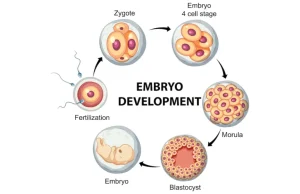
To understand pregnancy testing, you first need to understand implantation. After a sperm fertilizes an egg in the fallopian tube, the fertilized egg travels down into the uterus. About 6 to 10 days after ovulation, this tiny embryo attaches itself to the thick, nutrient-rich lining of your uterus. This physical attachment is called “implantation.”
The moment implantation happens, the embryo begins producing a hormone called human Chorionic Gonadotropin (hCG)—often known as the “pregnancy hormone.” This hormone enters your bloodstream first, and eventually, it filters down into your urine.
How Soon Can a Blood Test Detect Pregnancy After Implantation?
Because hCG enters your blood before your urine, a blood test is the fastest way to get a confirmed answer. So, how soon can a blood test detect pregnancy?
A sensitive blood test can pick up trace amounts of hCG just 3 to 4 days after implantation. If we look at your overall cycle, this means you can get a positive blood test about 9 to 12 days after ovulation, which is often 3 to 5 days before your missed period. However, Indian gynaecologists usually recommend waiting until at least day 11 or 12 past ovulation to avoid the disappointment of a “false negative” if you ovulated or implanted later than you thought.
Does Blood Test Detect Pregnancy Better Than a Urine Test?
A very common question among expecting mothers is: does blood test detect pregnancy with better accuracy than the home kits? The answer is a definite yes.
Home urine tests are “qualitative,” meaning they only give you a “Yes” or “No” based on whether your urine has reached a specific threshold of hCG (usually around 20 to 25 mIU/mL). A blood test, however, is much more sensitive. It can detect pregnancy even when the hCG levels are incredibly low (as low as 1 to 5 mIU/mL).
What Factors Can Affect the Accuracy of a Home Pregnancy Test?
If you are taking a home urine test before booking a lab appointment, several factors can mess up your results. The most common mistake is testing too early before the hCG hormone has built up. Additionally, drinking too much water or tea before testing can dilute your urine, making the hormone invisible to the kit. Women with irregular menstrual cycles often miscalculate their ovulation, leading them to test prematurely. This is exactly why a clinical blood test is considered far more reliable—it is completely unaffected by how much water you drink!
When is the Best Time of Day to Take a Urine Pregnancy Test?
If you choose to try a home kit first, always test using your very first morning urine. Because you haven’t been drinking fluids or using the washroom overnight, your morning urine is highly concentrated. This means it holds the highest possible amount of the hCG pregnancy hormone. However, if you are opting for a blood test to detect pregnancy at a diagnostic lab, you do not need to worry about the time you can give your blood sample at any hour of the day with perfect accuracy.
What Are the Types of Blood Test to Detect Pregnancy?
When you visit a diagnostic lab, your doctor might order one of two types of blood tests:
- Qualitative hCG Blood Test: Like a urine test, this simply checks if there is any pregnancy hormone in your blood. It gives a simple “positive” or “negative” result.
- Quantitative hCG Blood Test (Beta hCG): This is the most preferred test by fertility experts. It measures the exact amount of hCG in your blood. Doctors often repeat this test after 48 hours to ensure the hormone levels are doubling normally, which indicates a healthy, growing pregnancy.
How Do Doctors Use This Test in Indian Maternity Care?
In India, a Beta hCG blood test is a standard part of early prenatal care, especially if you have undergone fertility treatments like IUI or IVF. It is also highly recommended if you have a history of miscarriages or ectopic pregnancies (where the embryo implants outside the uterus).
When Should You Consult Your Gynaecologist?
If your blood test is positive, book an appointment with your gynaecologist immediately to start your prenatal vitamins (like Folic Acid) and schedule your first ultrasound scan. If your blood test is negative but your period still has not arrived after a week, consult your doctor. Stress, hormonal imbalances like PCOS, or thyroid issues—which are very common among Indian women—could be delaying your cycle and may require medical attention.
References
- When to Test for Pregnancy and Antenatal Care Guidelines –
- Diagnostics in Early Pregnancy and hCG Levels –
https://www.nhp.gov.in/disease/gynaecology-and-obstetrics
- Standard Treatment Workflows for Early Pregnancy Confirmation –
https://www.icmr.gov.in/icmrobject/uploads/STWs/Maternal_Health_STW.pdf
- Good Clinical Practice Recommendations on Early Pregnancy Monitoring –




















 No need to worry, your data is 100% safe with us!