


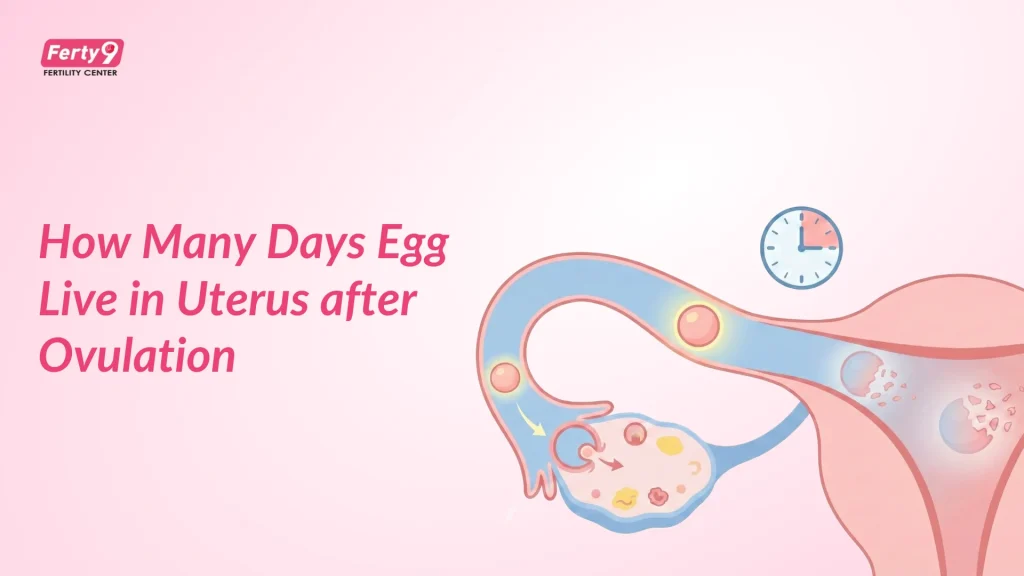
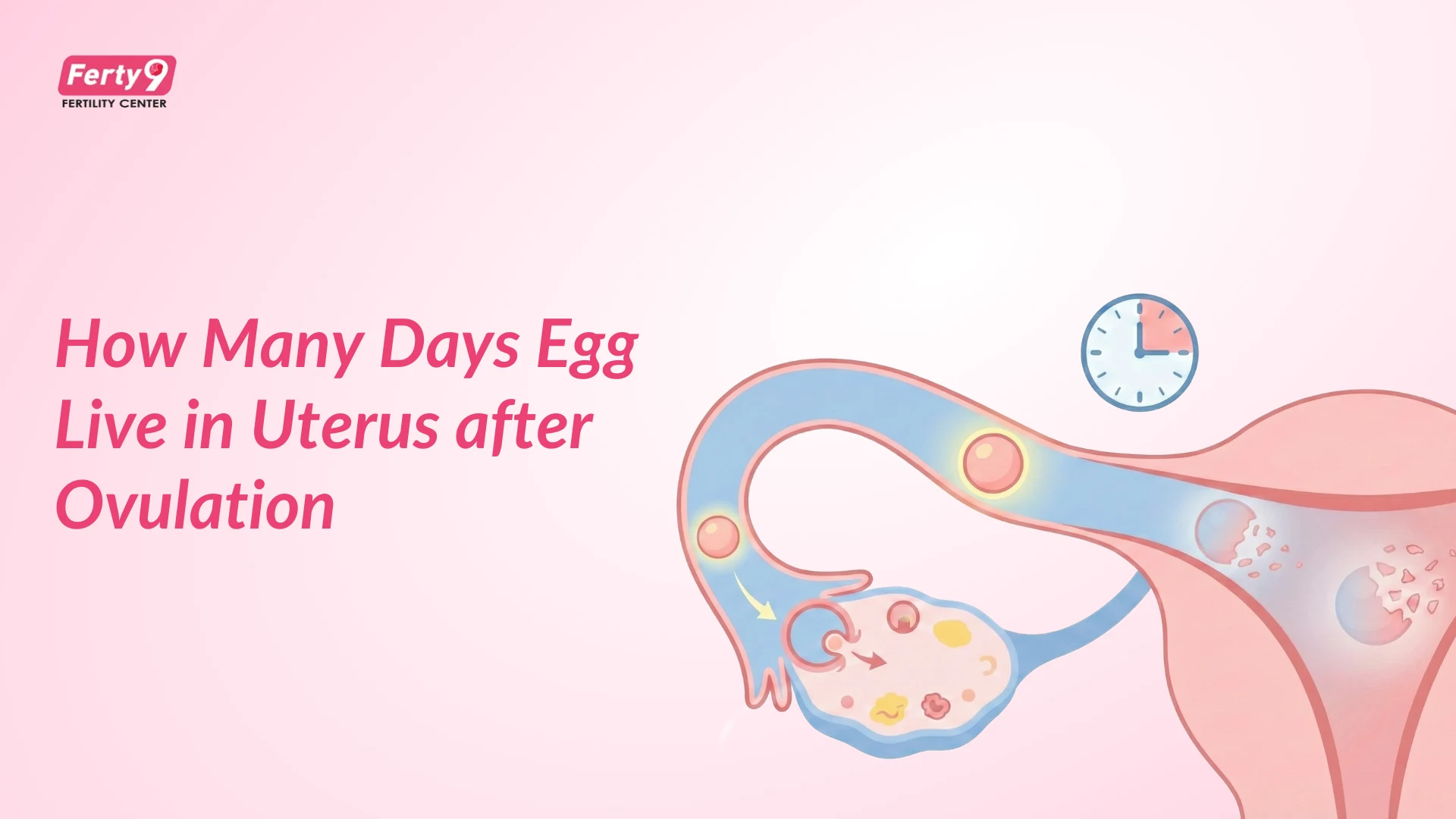
When you are trying to conceive, timing is everything. Many couples track their dates carefully, hoping to catch the perfect moment for pregnancy. A common question we hear at Ferty9 Fertility Center is: “Doctor, how long does the egg wait in the uterus?”
It is a very important question, but the answer might surprise you. The egg actually has a much shorter lifespan than most people think, and it doesn’t spend its waiting time in the uterus!
To help you plan your pregnancy better, here is a simple guide to understanding the journey of the egg, its lifespan, and the best time to try for a baby.
The Real Lifespan of an Egg
Once a woman ovulates (releases an egg from the ovary), the egg lives for only 12 to 24 hours.
That is a very short window—just one day! If the egg is not fertilized by a sperm within this 24-hour period, it disintegrates and is absorbed by the body. This is why timing your fertile days is so critical.
Does the Egg Wait in the Uterus?
This is a common misconception. The egg does NOT wait in the uterus.
Here is the actual journey:
- Ovulation: The ovary releases the egg.
- The Waiting Room (Fallopian Tube): The egg is caught by the fallopian tube. It stays in the tube for 12 to 24 hours. This is where fertilization happens.
- The Journey: If sperm meets the egg in the tube, it becomes a fertilized embryo and slowly travels down to the uterus (which takes about 3-4 days).
- The Uterus: If the egg was not fertilized in the tube, it travels to the uterus, but by then, it has already disintegrated. It will then be shed along with the uterine lining during your next period.
Simple Rule: For pregnancy to happen, sperm must be waiting in the fallopian tube before or during that short 24-hour window when the egg is released.
What If the Egg Gets Fertilized? (The Journey to Implantation)
If a healthy sperm meets the egg in the fallopian tube within that 24-hour window, the story changes completely!
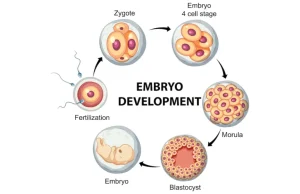
- Day 1 (Fertilization): The egg becomes a Zygote (single cell).
- Days 2–4 (The Travel): The zygote starts dividing into multiple cells while slowly floating down the tube toward the uterus.
- Day 5 (Arrival): It enters the uterus as a ball of cells called a Blastocyst.
- Day 6–10 (Implantation): The blastocyst attaches itself to the uterine lining. This is when pregnancy officially begins.
Key point: The unfertilized egg never stays in the uterus. Only a fertilized egg (embryo) makes the uterus its home.
The “Fertile Window”: When Should You Try?
Since the egg only lives for 24 hours, you might think you only have one day to get pregnant. But that’s not true!
While the egg is fragile, sperm are strong swimmers. Sperm can live inside the female body for 3 to 5 days.
This creates a Fertile Window of about 6 days:
- The 5 days before ovulation.
- The day of ovulation.
Indian Doctor’s Advice: We typically recommend couples to have intercourse every alternate day starting from Day 10 of the menstrual cycle (for a regular 28-day cycle). This ensures that healthy sperm are already waiting in the tube when the egg arrives.
Does Age Affect the Egg’s 24-Hour Lifespan?
Many women ask us: “If I am over 35, does my egg die faster?”
The Answer: No. Whether you are 25 or 40, the egg’s lifespan remains the same (12 to 24 hours). The Real Difference: As you age, the number and quality of the egg drops, mainly due to higher chromosomal errors.
- This can reduce fertilization and implantation rates despite correct timing.
- An older egg might have a harder outer shell or genetic issues, making fertilization difficult even if the sperm arrives on time. This is why we advise women over 35 not to wait too long before seeking help.
How Do I Know If I Have Ovulated?
In India, we use simple methods to track this “golden window”:
- Follicular Study (Scan): The most accurate method. At Ferty9, we use ultrasound scans to see exactly when your follicle ruptures and releases the egg.
- Ovulation Kits: Similar to pregnancy strips, these test your urine for a hormone surge (LH surge) that happens just before the egg is released.
- Physical Signs: You might notice a slight rise in body temperature or clear, sticky vaginal discharge (like raw egg white) during these days.
What Happens After 24 Hours?
If the 24-hour window passes without fertilization:
- The egg cell dies.
- Your hormone levels (Progesterone) will eventually drop.
- About 12-14 days later, your period will start, marking the beginning of a new cycle.
Common Myths About Ovulation Timing
| Myth | Fact |
| “I can get pregnant on any day of the month.” | False. You can only conceive during your fertile window (approx. 6 days per cycle). |
| “Stress stops ovulation completely.” | Mostly False. Chronic stress might delay ovulation, but it rarely stops it forever. |
| “The egg waits in the womb for the sperm.” | False. The egg waits in the tube. If it reaches the womb unfertilized, it is already too late. |
| “If I ovulate late, I can’t get pregnant.” | False. Late ovulation is fine! As long as you time intercourse to match that specific day, pregnancy is possible. |
Summary
To answer the main question: The egg does not live in the uterus; it lives in the fallopian tube for only 12-24 hours.
If you have been tracking your dates and trying for more than a year (or 6 months if you are over 35) without success, it might not be a timing issue. There could be blockages in the tubes or other factors. Don’t leave it to guesswork. Visit Ferty9 Fertility Center for a simple consultation to understand your ovulation cycle better and speed up your journey to parenthood.
















 No need to worry, your data is 100% safe with us!