


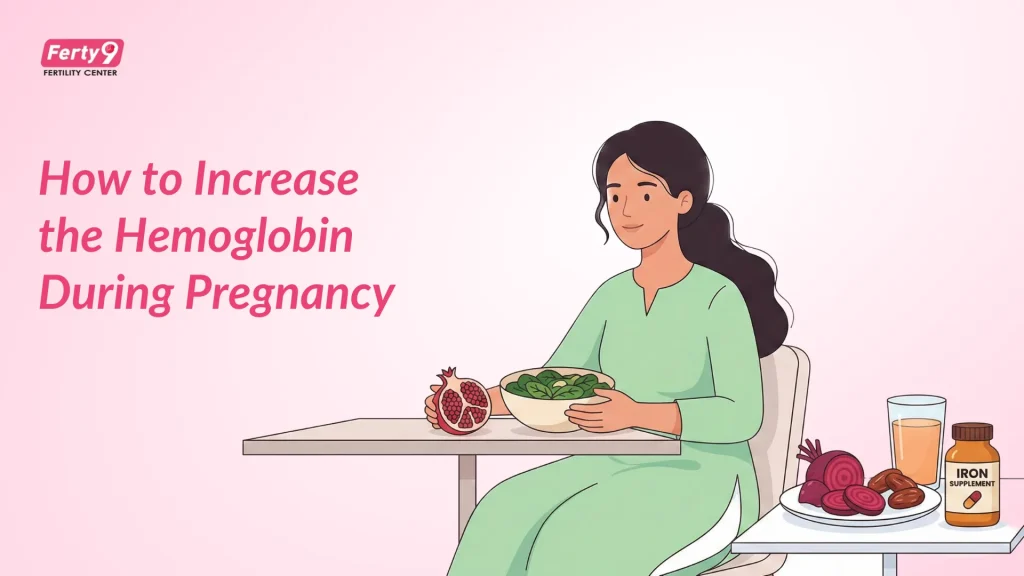
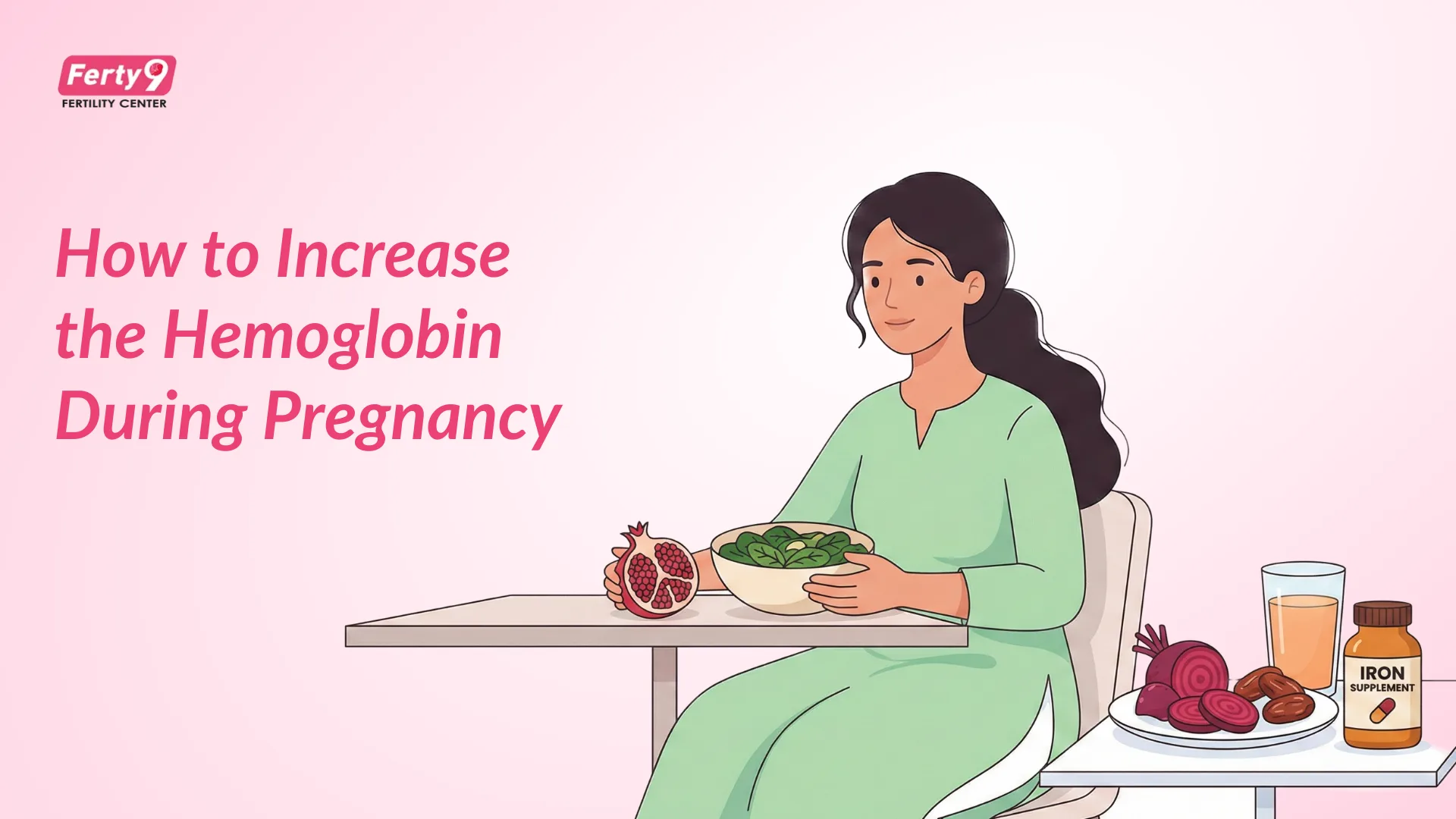
Pregnancy is a time of immense change. Your body is working overtime to nurture the new life growing inside you. One of the most critical fuels for this process is blood—specifically, a protein in your blood called haemoglobin.
It is very common for Indian women to experience a drop in haemoglobin levels during pregnancy. While mild dips are normal, significant drops can lead to anemia, leaving you tired and potentially affecting your baby’s growth. The good news is that with the right Indian diet, proper supplements, and a few lifestyle tweaks, you can easily manage and boost your levels.
This guide covers everything you need to know to keep your blood iron-strong for a healthy pregnancy.
Understanding Haemoglobin and Its Role in Pregnancy
What Is Haemoglobin?
Haemoglobin (Hb) is a protein found in your red blood cells. Think of it as a delivery truck. Its job is to carry oxygen from your lungs to the rest of your body—and during pregnancy, to your baby through the placenta.
Why Haemoglobin Levels Drop in Pregnancy
You might be surprised to learn that your blood volume increases by almost 50% when you are pregnant! However, the liquid part of the blood (plasma) increases faster than the red blood cells. This dilution causes a natural, physiological drop in haemoglobin concentration. This is often called “physiologic anemia of pregnancy” and is considered normal up to a certain point.
Normal Haemoglobin Levels for Pregnant Women
According to Indian health standards and the World Health Organization (WHO), the normal range changes by trimester:
- First Trimester: At least 11 g/dL
- Second Trimester: At least 10.5 g/dL (This is when the biggest drop usually happens)
- Third Trimester: At least 11 g/dL
If your levels fall below these numbers, it is classified as anemia.
Causes and Risk Factors of Low Haemoglobin in Pregnancy
Iron Deficiency
This is the number one cause of anemia in India. Your body needs iron to make haemoglobin. During pregnancy, the demand for iron triples to support the baby and your increased blood volume. If your diet doesn’t fill this gap, your levels drop.
Folic Acid and Vitamin B12 Deficiency
Iron isn’t the only player. Folic acid and Vitamin B12 are essential for making healthy red blood cells. A deficiency in these vitamins (common in strict vegetarian diets) can lead to a type of anemia called “megaloblastic anemia.”
Other Medical Conditions That Affect Haemoglobin
- Genetic conditions like Thalassemia or Sickle Cell Anemia (common in certain Indian communities).
- Chronic illnesses like kidney disease.
- Recent blood loss or closely spaced pregnancies.
Signs and Symptoms of Low Haemoglobin During Pregnancy
Common Symptoms You May Notice
Mild anemia often has no symptoms. However, as levels drop, you might experience:
- Extreme tiredness or weakness (fatigue).
- Pale skin, lips, and nails.
- Shortness of breath, even after light activity.
- Dizziness or light-headedness.
- Cold hands and feet.
- Pica (unusual cravings to eat non-food items like ice, clay, or chalk).
When to See a Doctor
Fatigue is common in pregnancy, but if you feel exhausted even after resting, have palpitations (fast heartbeat), or feel faint, consult your gynaecologist at Ferty9 immediately.
How to Naturally Increase Haemoglobin with Diet
The most effective way to prevent anaemia is to eat “iron-smart.”
Iron-Rich Foods for Pregnant Women
Plant-Based Iron Sources (Non-Heme Iron)
This is the primary source for vegetarians, but is harder for the body to absorb.
- Green Leafy Vegetables: Spinach (Palak), Amaranth (Thotakura), Methi, and Drumstick leaves (Moringa).
- Pulses and Legumes: Lentils (Dal), Chickpeas (Chana), Kidney beans (Rajma), and Soybeans.
- Nuts and Seeds: Pumpkin seeds, sesame seeds (Til), almonds, and cashews.
- Jaggery: A traditional Indian sugar substitute rich in iron.
Animal-Based Iron Sources (Heme Iron)
This type of iron is absorbed 2-3 times better by the body.
- Red Meat: Mutton and lamb (in moderation).
- Poultry: Chicken and eggs.
- Fish: Salmon and sardines (avoid high-mercury fish).
Vitamin C-Rich Foods to Boost Iron Absorption
This is the golden rule: Plant-based iron needs Vitamin C to be absorbed. Always pair your iron-rich foods with:
- Lemon (Nimbu) squeezed over food.
- Amla (Indian Gooseberry).
- Oranges, Guavas, or Strawberries.
- Tomatoes and capsicum in your curries.
Foods Rich in Folic Acid and Vitamin B12
- Folate: Lentils, spinach, avocado, and fortified cereals.
- Vitamin B12: Milk, paneer, curd, eggs, and fortified soy milk.
Daily Eating Plan Ideas to Improve Haemoglobin
Sample Indian-Style Meal Plan
- Breakfast: Poha with peanuts and a squeeze of lemon OR Ragi malt with milk.
- Mid-Morning: A glass of orange juice or a fruit bowl (Guava/Pomegranate).
- Lunch: Spinach dal or Palak Paneer + Roti + Carrot/Cucumber salad with lemon dressing.
- Evening Snack: A handful of roasted chana (chickpeas) and jaggery (gur).
- Dinner: Grilled chicken or fish curry (or Soya chunks curry) + Brown rice + Vegetable soup.
Healthy Snack Ideas for Haemoglobin Boost
- Dates and nuts laddoo.
- Sesame (Til) chikki.
- Boiled beetroot slices.
- Fig (Anjeer) milkshake.
Iron and Folic Acid Supplements During Pregnancy
When Are Supplements Needed?
Diet alone is often not enough to meet the high demands of pregnancy. This is why doctors routinely prescribe Iron and Folic Acid (IFA) supplements starting from the second trimester (after 12 weeks).
Types of Iron Supplements
- Ferrous Ascorbate/Fumarate: Common oral tablets.
- Liquid Iron: Syrups for those who cannot swallow pills.
How to Take Supplements Safely
- Best Time: Take iron tablets on an empty stomach or 1 hour before meals for best absorption.
- The Right Partner: Take it with lemon water or orange juice.
- The Wrong Partner: Never take iron with milk, tea, coffee, or calcium tablets. Calcium blocks iron absorption. Keep a 2-hour gap between iron and calcium supplements.
- Side Effects: Black stools are normal. If you face constipation or nausea, talk to your doctor about changing the brand or dosage, but do not stop taking them.
Lifestyle Tips to Support Healthy Haemoglobin Levels
Hydration and Blood Health
Water helps maintain blood volume and flow. Dehydration can make blood thicker and circulation sluggish. Aim for 8–10 glasses daily.
Light Exercise and Blood Health
Gentle activities like walking or prenatal yoga improve circulation and signal your body to produce more red blood cells. Always consult your doctor before starting any exercise.
Managing Stress and Sleep
Chronic stress affects digestion and nutrient absorption. Ensure you get 7-8 hours of quality sleep to help your body produce healthy blood cells.
Foods and Habits That Can Lower Haemoglobin
Foods That Block Iron Absorption
Certain “anti-nutrients” prevent iron from entering your blood. Avoid having these during or immediately after iron-rich meals:
- Tannins: Found in Tea and Coffee (wait at least 1 hour after meals to drink these).
- Calcium: Milk, cheese, and curd (eat these separately as snacks).
- Phytates: Found in raw grains (soaking pulses and grains before cooking reduces this).
Unhealthy Habits to Avoid
- Smoking or exposure to indirect smoking (lowers oxygen delivery to baby).
- Skipping meals or fasting for long periods.
Monitoring Haemoglobin Levels During Pregnancy
Routine Blood Tests
Your doctor at Ferty9 will check your Complete Blood Count (CBC) at your first prenatal visit, again at 28 weeks (start of the third trimester), and typically before delivery.
Understanding Your Reports
Don’t panic if you see a slight drop in the second trimester; it is often physiological. However, listen to your doctor if they advise increasing your supplement dosage.
When Low Haemoglobin Becomes Anemia
Mild vs. Moderate vs. Severe Anemia
- Mild: Hb 10–10.9 g/dL (Manageable with diet/tablets).
- Moderate: Hb 7–9.9 g/dL (Requires strict medication and monitoring).
- Severe: Hb < 7 g/dL (A medical emergency requiring immediate intervention).
Possible Complications for Mother and Baby
Untreated severe anemia increases the risk of:
- For Baby: Low birth weight, preterm birth, and delayed growth.
- For Mom: Increased risk of infection, postpartum depression, and needing a blood transfusion during delivery due to blood loss.
Medical Treatments for Severe Anemia in Pregnancy
If oral tablets aren’t working or anemia is severe, we may recommend:
Intravenous (IV) Iron Therapy
This involves delivering iron directly into your vein via a drip. It is painless, safe, and raises haemoglobin levels much faster than pills. Common options include Iron Sucrose or Ferric Carboxymaltose.
Blood Transfusion – When It’s Needed
This is rare and usually reserved for extremely low haemoglobin levels (below 5-6 g/dL) or if there is significant bleeding during delivery.
Haemoglobin Myths During Pregnancy – What’s True and What’s Not
Common Misconceptions
- Myth: “Eating iron supplements will make the baby dark-skinned.”
- Fact: False. Skin colour is genetic. Iron only ensures the baby is healthy and pink!
- Myth: “I feel fine, so I don’t need iron tablets.”
- Fact: Anemia is a silent condition. You can feel fine until levels drop dangerously low. Trust your blood tests, not just your feelings.
- Myth: “Only non-vegetarians have good haemoglobin.”
- Fact: Vegetarians can have excellent haemoglobin levels by combining greens, lentils, and Vitamin C properly.
Tips to Stay Consistent with Your Haemoglobin-Boosting Routine
Simple Habits You Can Follow Daily
- Set a phone alarm for your supplements.
- Keep a jar of roasted nuts or seeds on your bedside table.
- Replace your post-meal chai with a glass of lemon water.
- Cook in iron vessels (kadhai)—it naturally adds a small amount of iron to your food.
Summary
Maintaining healthy haemoglobin levels is one of the best gifts you can give your growing baby. It ensures they get the oxygen and nutrients they need for a strong start in life. While a dip in levels is natural, it requires proactive care.
Eat a balanced diet, never skip your iron supplements, and stay regular with your check-ups. At Ferty9 Fertility Centre, we are with you at every step to ensure a safe, healthy, and happy pregnancy journey. If you feel unusually tired or dizzy, don’t wait—reach out to us today.















 No need to worry, your data is 100% safe with us!