


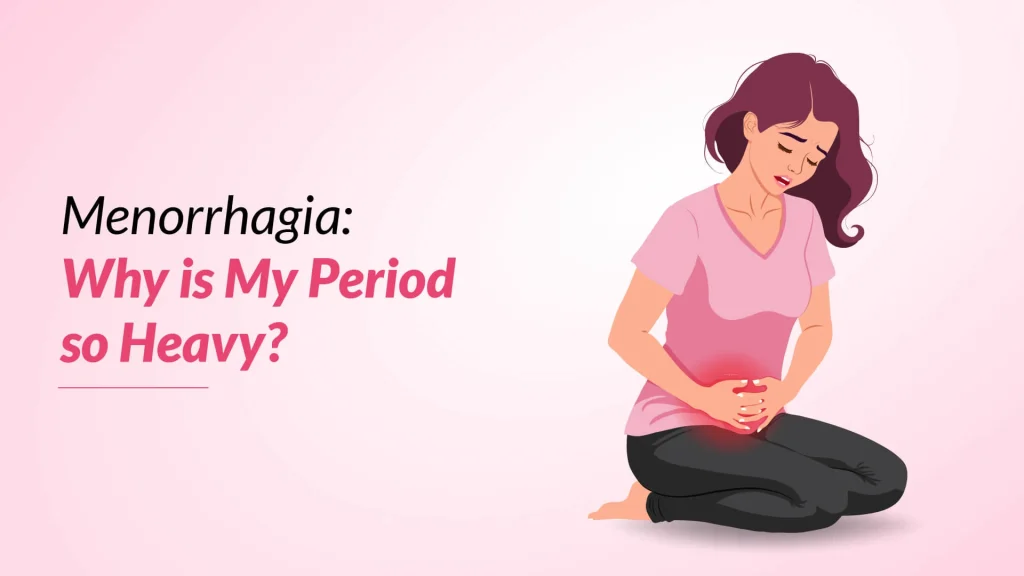
Heavy periods can disrupt far more than your monthly routine. They may leave you feeling physically drained, emotionally frustrated, and constantly planning your life around your menstrual cycle. If you’re changing sanitary pads or tampons every hour, passing large blood clots, or avoiding work, travel, or social events because of excessive bleeding, it’s time to look beyond the period itself.
Heavy menstrual bleeding, medically known as menorrhagia, is one of the most common reasons women visit a gynecologist. While some women naturally have heavier periods than others, persistent heavy bleeding isn’t considered normal and may indicate an underlying health condition that requires treatment. At Ferty9, early evaluation helps identify the underlying cause so treatment can be tailored to your symptoms, reproductive goals, and overall health.
- Menorrhagia refers to unusually heavy or prolonged menstrual bleeding that affects your daily activities or leads to excessive blood loss.
- Hormonal disorders, uterine fibroids, adenomyosis, endometrial polyps, and bleeding disorders are among the most common causes.
- Persistent heavy periods can result in iron-deficiency anemia, fatigue, reduced productivity, and, in some cases, fertility challenges.
- Diagnosis usually involves a detailed menstrual history, blood tests, pelvic imaging, and additional investigations when necessary.
- Effective treatments range from medications to minimally invasive procedures and surgery, depending on the cause and future pregnancy plans.
What Is Menorrhagia?
Menorrhagia is the medical term for heavy menstrual bleeding that is excessive enough to interfere with your physical, emotional, social, or professional life. According to the American College of Obstetricians and Gynecologists (ACOG), heavy menstrual bleeding is defined not only by the amount of blood lost but also by how significantly it affects a woman’s quality of life.
The first step toward reproductive health is understanding your rhythm. Start by tracking your dates with our Period Calculator.
Many women assume heavy periods are simply something they have to live with because they’ve experienced them since adolescence. In reality, heavy menstrual bleeding often has an identifiable cause, and many cases can be successfully treated.
You may have menorrhagia if you:
- Soak through one or more sanitary pads or tampons every hour for two or more consecutive hours.
- Need to wake up at night to change menstrual products.
- Pass blood clots larger than about 2.5 cm (1 inch).
- Bleed for more than seven days.
- Need to use two sanitary products at the same time to control the flow.
- Miss work, school, exercise, or social activities because of your period.
- Develop symptoms of anemia, such as fatigue, dizziness, or breathlessness.
While menstrual flow naturally varies between women, consistently experiencing these symptoms deserves medical evaluation.
Also read: Four Phases of Menstrual Cycle
What Causes Heavy Menstrual Bleeding?
Heavy periods are a symptom rather than a disease. Finding the underlying cause is the most important step because treatment depends on why the bleeding is occurring.
Hormonal Imbalances
A normal menstrual cycle relies on a carefully regulated balance between estrogen and progesterone. When ovulation doesn’t occur regularly, the uterine lining continues to thicken under the influence of estrogen before eventually shedding in a much heavier period.
Hormonal imbalances may occur due to:
- Polycystic ovary syndrome (PCOS)
- Thyroid disorders
- Perimenopause
- Obesity
- Chronic stress affecting ovulation
Women with irregular cycles often notice that the longer they go without a period, the heavier the next period becomes.
Uterine Fibroids
Fibroids are non-cancerous growths that develop within the uterus. Depending on their size and location, they may increase menstrual bleeding, prolong periods, and cause pelvic pressure or pain.
Fibroids are especially common during the reproductive years and are one of the leading causes of menorrhagia.
Adenomyosis
Adenomyosis develops when tissue similar to the uterine lining grows into the muscular wall of the uterus. Besides causing heavy bleeding, it frequently leads to severe menstrual cramps and a feeling of pelvic heaviness.
Many women are diagnosed only after imaging studies because symptoms often overlap with other gynecological conditions.
Endometrial Polyps
Polyps are small growths arising from the lining of the uterus. Although usually benign, they may contribute to prolonged or unusually heavy menstrual bleeding and spotting between periods.
Related Read: Why Women with PCOS Are at Higher Risk of Endometrial Cancer?
Bleeding Disorders
Some women have inherited bleeding disorders, such as von Willebrand disease, which reduce the blood’s ability to clot normally. Heavy periods beginning from adolescence are sometimes the first noticeable sign of these conditions.
Certain Medications
Heavy bleeding may also occur as a side effect of:
- Blood-thinning medications
- Hormonal treatments
- Copper intrauterine devices (IUDs) in some women
Your doctor will review your medications before deciding whether they may be contributing to your symptoms.
Also read: Ovarian Cancer in Young Women
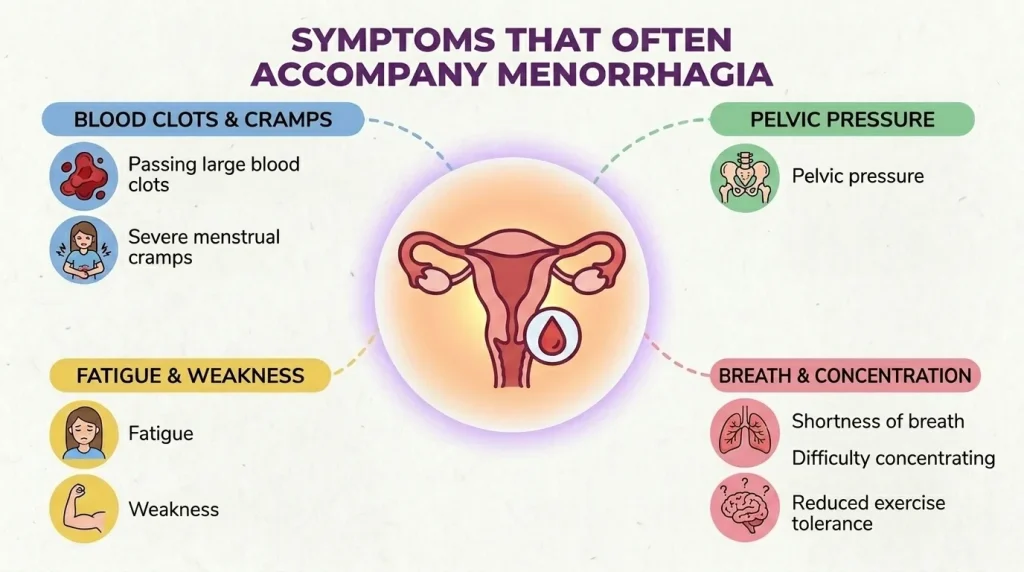
Symptoms That Often Accompany Menorrhagia
Heavy menstrual bleeding is rarely the only symptom. Many women also experience:
- Passing large blood clots
- Severe menstrual cramps
- Pelvic pressure
- Fatigue
- Weakness
- Shortness of breath
- Difficulty concentrating
- Reduced exercise tolerance
Over time, excessive blood loss can lead to iron-deficiency anemia, one of the most common complications of menorrhagia. According to the World Health Organization (WHO), iron deficiency remains a leading cause of anemia among women of reproductive age.
How Is Menorrhagia Diagnosed?
Your gynecologist will begin by asking about your menstrual history, medical conditions, pregnancies, medications, and family history. Keeping a menstrual diary before your appointment can provide valuable information about the duration and severity of bleeding.
Depending on your symptoms, investigations may include:
Blood Tests
Blood tests help detect:
- Iron-deficiency anemia
- Thyroid disorders
- Bleeding disorders
- Hormonal abnormalities
These tests also help determine whether heavy bleeding has affected your overall health.
Pelvic Examination
A physical examination helps identify enlarged fibroids, pelvic tenderness, or other abnormalities that may explain your symptoms.
Transvaginal Ultrasound
A transvaginal ultrasound provides detailed images of the uterus and ovaries. It is often the first imaging test used to detect fibroids, adenomyosis, ovarian cysts, or endometrial polyps.
Endometrial Biopsy
Women over 45 years of age or those with certain risk factors may require an endometrial biopsy to examine the uterine lining and rule out abnormal cellular changes.
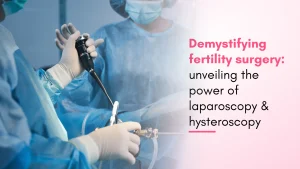
Hysteroscopy
Hysteroscopy allows the doctor to examine the inside of the uterus using a thin camera. This procedure is particularly useful for identifying polyps, fibroids, or structural abnormalities that may not be clearly visible on ultrasound.
How Is Menorrhagia Treated?
Treatment depends on several factors, including:
- The underlying cause
- Your age
- Severity of symptoms
- Future pregnancy plans
- Overall health
Many women improve with medication alone, while others benefit from minimally invasive procedures or surgery.
Medical Treatment
For women who wish to preserve fertility or avoid surgery, medications are usually recommended first.
Common treatment options include:
- Combined oral contraceptive pills
- Progesterone therapy
- Hormonal intrauterine devices (IUDs)
- Tranexamic acid to reduce menstrual blood loss
- Nonsteroidal anti-inflammatory drugs (NSAIDs), which may reduce both pain and bleeding
- Iron supplements to treat anemia
Not every medication suits every patient. Your gynecologist will recommend the most appropriate option after evaluating your medical history and reproductive goals.
Also read: Birth Control Pills and Their Effect on Menstrual Cycles
Surgical Treatment
When medications are ineffective or structural abnormalities are responsible, surgical treatment may be considered.
Options include:
Myomectomy
This procedure removes fibroids while preserving the uterus, making it an important option for women planning future pregnancies.
Polypectomy
Endometrial polyps can usually be removed during hysteroscopy, often providing significant improvement in bleeding.
Endometrial Ablation
This procedure destroys the uterine lining to reduce menstrual bleeding. It is generally recommended only for women who have completed childbearing.
Hysterectomy
Removal of the uterus permanently resolves heavy menstrual bleeding. Because pregnancy is no longer possible afterward, hysterectomy is usually reserved for severe cases when other treatments have failed.
Can Heavy Periods Affect Fertility?
Heavy menstrual bleeding itself doesn’t always reduce fertility. However, the conditions causing menorrhagia often can.
For example:
- Fibroids may interfere with embryo implantation.
- Adenomyosis can reduce implantation rates.
- PCOS affects regular ovulation.
- Endometrial polyps may interfere with conception.
The encouraging news is that treating these conditions often improves both menstrual symptoms and the chances of pregnancy.
Women planning pregnancy should discuss fertility-preserving treatment options before choosing surgery.
Can Menorrhagia Lead to Anemia?
Yes. One of the most significant complications of chronic heavy menstrual bleeding is iron-deficiency anemia.
As blood loss continues month after month, the body’s iron stores become depleted, making it difficult to produce enough healthy red blood cells.
Symptoms of anemia may include:
- Persistent tiredness
- Pale skin
- Headaches
- Rapid heartbeat
- Dizziness
- Shortness of breath
- Poor concentration
Many women assume these symptoms are simply part of having a busy lifestyle, when they may actually be related to untreated heavy menstrual bleeding.
When Should You See a Doctor?
Don’t ignore persistent heavy periods, especially if they’re affecting your health or daily routine.
Arrange a medical evaluation if you:
- Bleed for longer than seven days.
- Need to change sanitary products every hour for several hours.
- Pass large blood clots regularly.
- Feel weak, dizzy, or faint.
- Experience severe pelvic pain.
- Bleed between periods or after menopause.
- Notice a sudden change in your usual menstrual pattern.
Seek urgent medical attention if bleeding is so heavy that you feel faint, have difficulty standing, or soak through multiple pads within a short period.
References
- American College of Obstetricians and Gynecologists. Heavy Menstrual Bleeding.
- National Institute for Health and Care Excellence (NICE). Heavy Menstrual Bleeding: Assessment and Management (NG88)
- World Health Organization. Anaemia















 No need to worry, your data is 100% safe with us!