


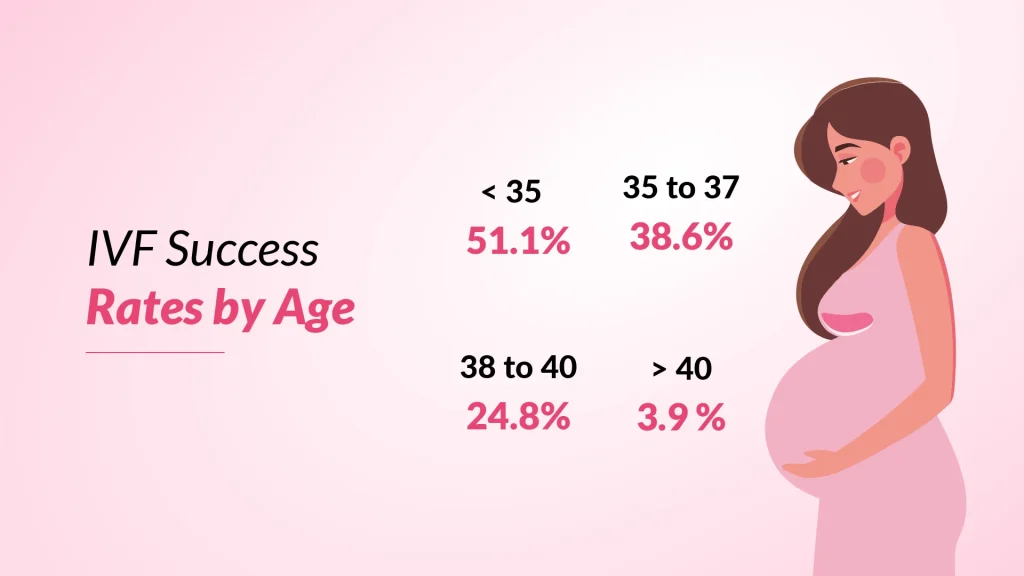
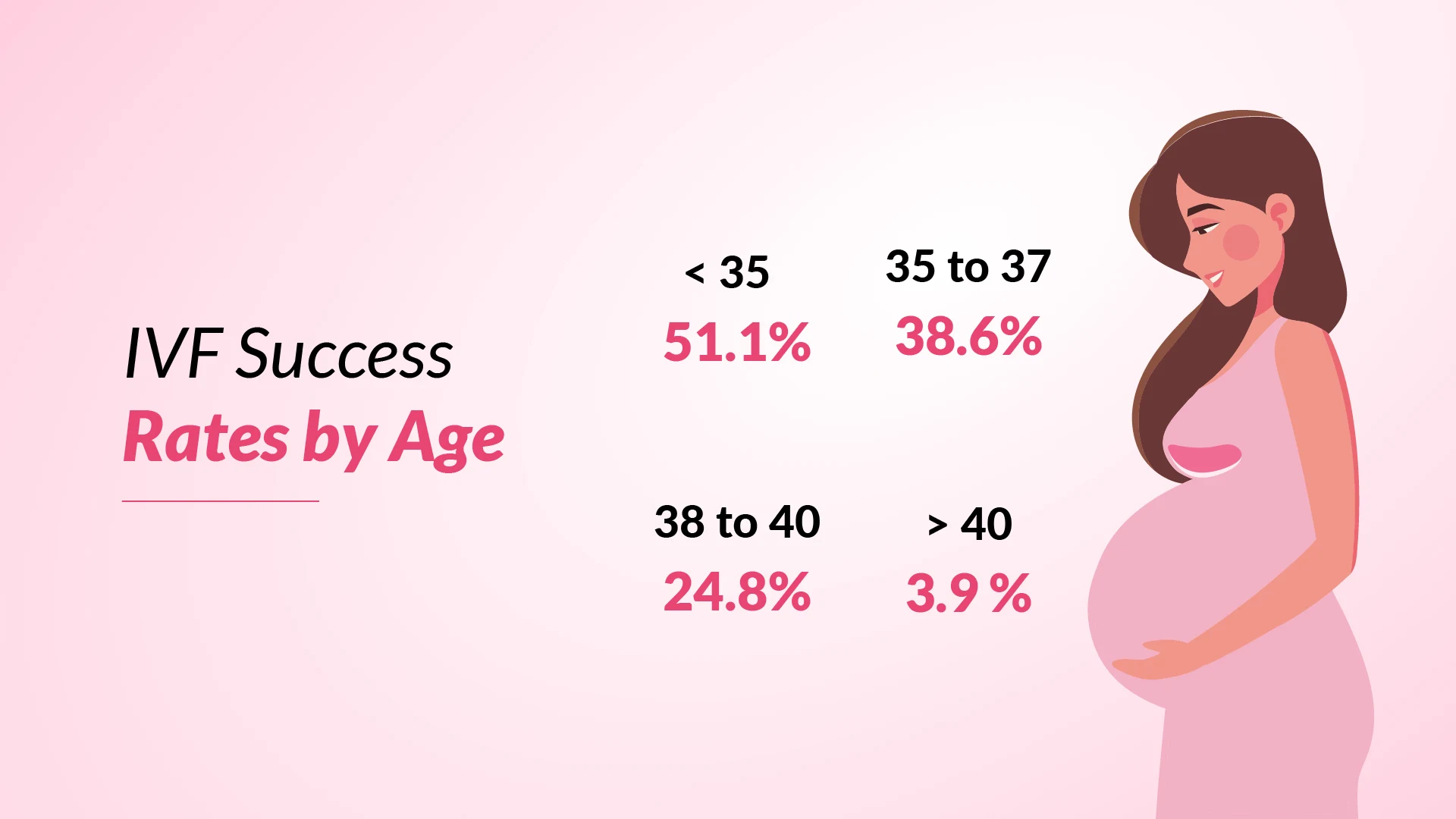
- IVF success rates are highest in women under 35 because younger eggs are less likely to carry chromosomal abnormalities that affect implantation and miscarriage risk.
- A lower IVF success rate after 35 does not mean pregnancy is impossible; many women in their late thirties and early forties still conceive successfully, especially when embryo quality and uterine health remain favorable.
- One failed IVF cycle does not automatically predict future failure, since success rates are cumulative and often improve after doctors adjust medication protocols or embryo selection strategies.
- IVF cannot completely reverse the biological effects of egg aging, which is why fertility specialists often recommend earlier evaluation if pregnancy has not occurred after 6 to 12 months of trying.
- Lifestyle factors such as smoking, uncontrolled diabetes, obesity, severe stress, and poor sleep may influence IVF outcomes at any age, even in younger patients with otherwise healthy fertility markers.
How Age and Technology Impact Your Journey
Embarking on an In Vitro Fertilization (IVF) journey brings a mix of hope and anxiety. If you have been trying to conceive without success, IVF offers a scientifically proven path to parenthood. However, IVF is not a “one-size-fits-all” solution. The chances of taking home a healthy baby depend heavily on a few key factors, with the mother’s age being the most important.
In India, fertility treatments have advanced tremendously, making high-quality care accessible and highly successful. Let’s break down how age affects your fertility, what numbers you can realistically expect, and how modern Indian clinics use advanced techniques to maximize your chances.
Why Do IVF Success Rates by Age Vary So Much?
A woman is born with all the eggs she will ever have. As she ages, the quantity of these eggs slowly decreases. More importantly, the quality of the eggs also declines over time.
Poor egg quality means that the eggs are more likely to have genetic abnormalities, which makes it harder for them to fertilize, implant in the uterus, or grow into a healthy pregnancy. Because IVF relies on the eggs retrieved from the ovaries, the overall IVF success rates by age directly mirror a woman’s natural biological clock.
What Are the IVF Success Rates Under 35?
The late 20s to early 30s are considered the peak reproductive years. During this time, a large percentage of retrieved eggs are genetically normal and highly receptive to fertilization.
Because of this excellent egg quality, the IVF success rates under 35 are incredibly encouraging. Women in this age bracket generally see a 40% to 50% chance of a live birth per single IVF cycle. If multiple cycles are attempted, or if extra embryos are frozen for future transfers, the cumulative success rate jumps even higher, making IVF a highly reliable treatment for younger couples facing issues like blocked fallopian tubes or male infertility.
What Are the IVF Success Rates Between 35 and 40?
While we often talk about women under 35 and over 40, the late 30s is actually the most common age group for seeking fertility care. For women aged 35 to 40, the success rate is roughly 40% per cycle. Because the natural egg reserve begins to decline more rapidly during this phase, doctors often rely on advanced techniques like ICSI (Intracytoplasmic Sperm Injection) or PGT-A (genetic testing of the embryo) to ensure only the healthiest, genetically normal embryos are selected, keeping the chances of a successful pregnancy very high.
What Are the IVF Success Rates Over 40?
By the time a woman reaches 40, her ovarian reserve (egg supply) is naturally much lower, and the remaining eggs have a higher chance of carrying chromosomal issues.
Consequently, the IVF success rates over 40 drop to roughly 10% to 15% per cycle using the woman’s own eggs. While this might sound discouraging, it is important to remember that pregnancy is absolutely still possible! Indian fertility specialists often use tailored hormone medications to gently stimulate the ovaries for better egg retrieval. Furthermore, if a woman over 40 struggles with her own eggs, the highly regulated and safe option of using donor eggs in India can immediately push her success rates back up to match those of a younger woman.
How Do IVF Blastocyst Success Rates Improve the Odds?
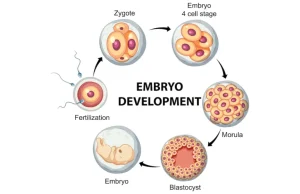
When the sperm fertilizes the egg in the IVF lab, it creates an embryo. In the past, doctors would transfer this embryo into the mother’s womb after just 3 days. Today, advanced Indian clinics let the embryo grow in the incubator for 5 to 6 days until it reaches the “blastocyst” stage.
Why does this matter? Growing an embryo to day 5 acts as a natural survival test. Only the strongest, healthiest embryos make it to the blastocyst stage. Because the doctor transfers a proven, robust embryo, IVF blastocyst success rates are significantly higher, offering better chances of successful implantation and a lower risk of miscarriage.
Does Transferring More Embryos Increase Your Success Rate?
Many couples assume that placing two or three embryos into the uterus at once will guarantee a baby. While transferring multiple embryos does slightly increase the overall pregnancy odds, it also significantly increases the risk of having twins or triplets. Multiple pregnancies carry much higher risks for both the mother and the babies, such as premature birth and low birth weight. Today, to ensure the safest outcome, most top Indian clinics highly recommend an Elective Single Embryo Transfer (eSET) if you have a high-quality blastocyst.
How Can You Find the Highest Success Rate of IVF in India?
India has become a global hub for fertility treatments, offering cutting-edge technology at affordable prices. To ensure you are getting the highest success rate of IVF in India, you should focus on a few critical steps:
- Choose ICMR-Registered Clinics: Always select a fertility center that strictly follows the guidelines set by the Indian Council of Medical Research (ICMR). This ensures the laboratory maintains impeccable hygiene, air quality, and ethical standards.
- Look for Advanced Technologies: Clinics that offer Blastocyst culture, ICSI (Intracytoplasmic Sperm Injection), and PGT (Preimplantation Genetic Testing) naturally yield much better results.
- Embrace Holistic Health: Indian doctors highly encourage combining modern medicine with traditional wellness. Adopting an antioxidant-rich diet, practicing prenatal yoga to increase blood flow to the uterus, and managing stress through meditation can prepare your body to safely welcome and nurture the embryo.
Do Success Rates Differ Between Metro and Tier-2 Cities in India?
Location can sometimes play a role in your treatment’s success. Generally, major fertility centers in metro cities (like Mumbai, Delhi, Hyderabad, or Bengaluru) report the highest success rates. This is primarily because these urban hubs have access to state-of-the-art laboratory infrastructure, advanced air-purification systems, and highly experienced embryologists, all of which are critical for delicate embryos to survive and thrive outside the body.
Reference Sources
- IVF Success Rates by Age / Standard Treatment Workflows –
https://www.icmr.gov.in/icmrobject/uploads/STWs/1726568410_female_infertility.pdf
- Clinical Procedures and IVF Blastocyst Transfers
- Reproductive Health and Age Factors –
https://www.nhp.gov.in/disease/reproductive-system
- Guidelines for Maternal Care and Assisted Reproduction –




















 No need to worry, your data is 100% safe with us!