


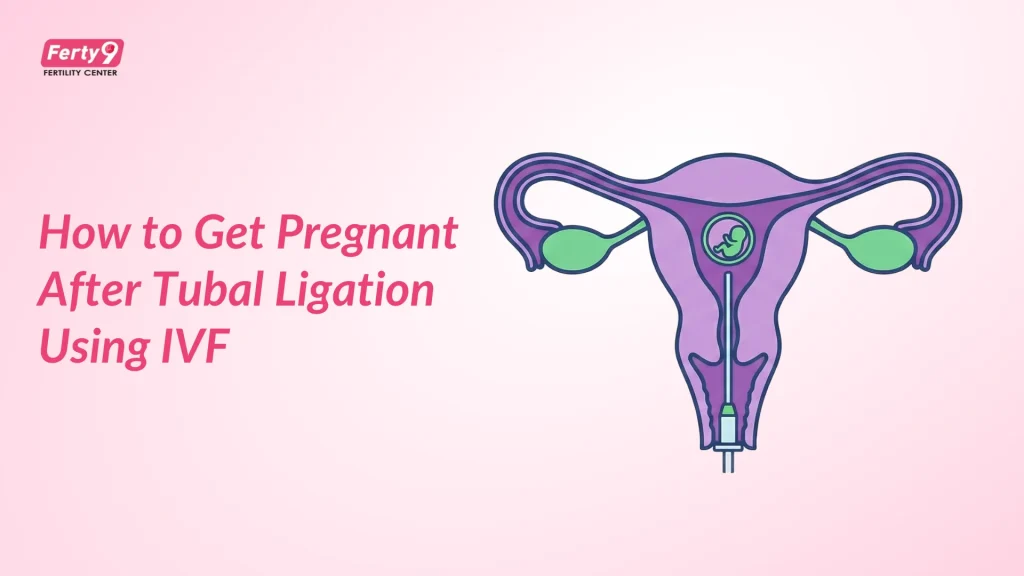
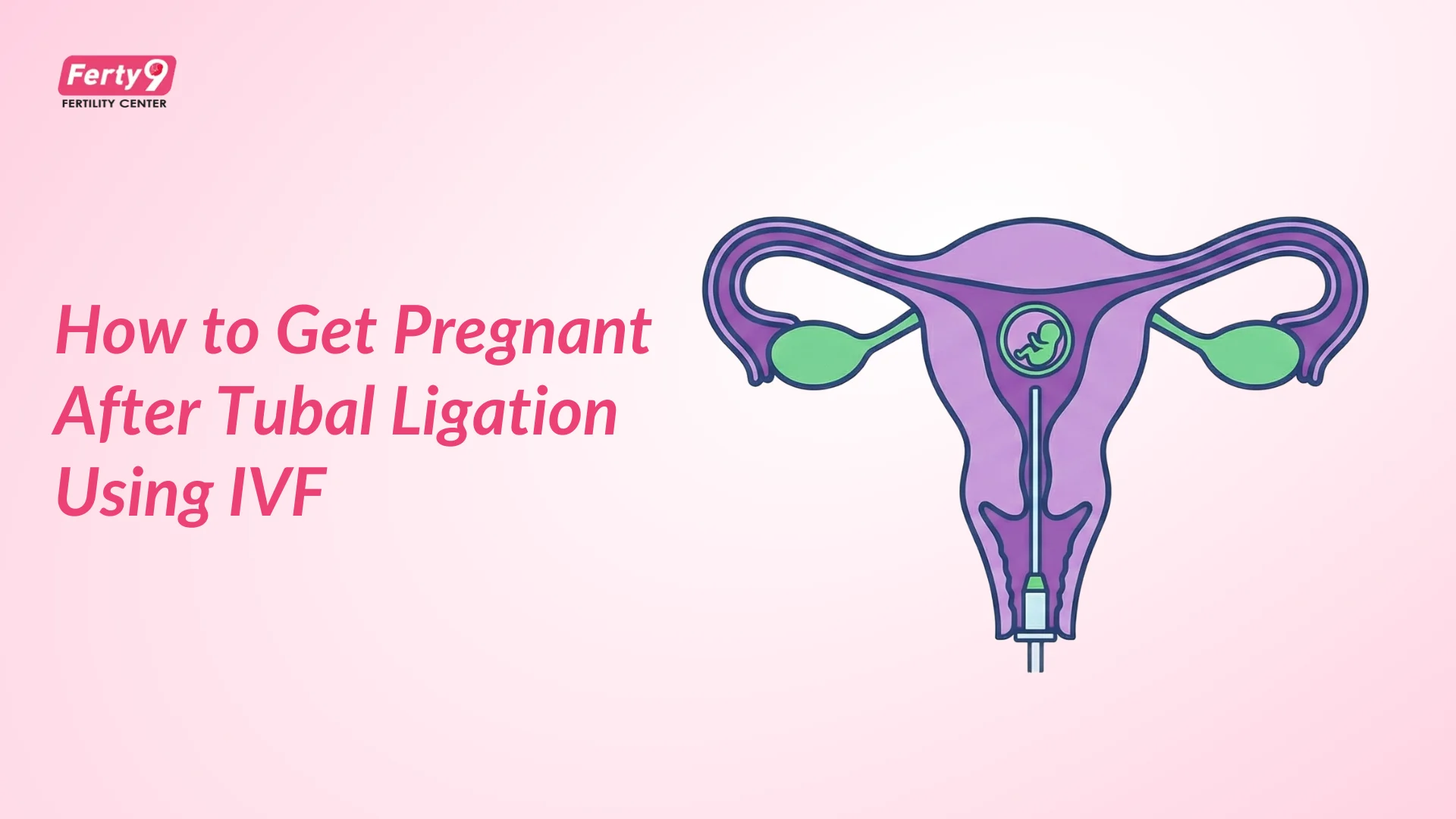
- IVF Bypasses Blocked Tubes - In Vitro Fertilization (IVF) enables pregnancy after tubal ligation by entirely bypassing the blocked or tied fallopian tubes, fertilizing eggs in a lab.
- Natural Pregnancy is Rare - Natural pregnancy after tubal ligation is nearly impossible, with less than a 1% chance, due to the blocked fallopian tubes.
- Ovaries and Uterus Remain Functional - Tubal ligation only affects egg transport, not the ovaries’ ability to release eggs or the uterus’s capacity to carry a baby.
- High IVF Success Rates - Women undergoing IVF solely due to tubal ligation often experience high success rates, as they typically lack other infertility issues like egg quality problems.
- IVF Preferred Over Reversal Surgery - IVF is generally preferred over tubal reversal surgery, especially for women over 35 or those with severely damaged tubes, offering a safer and faster path.
What Is Tubal Ligation?
Tubal ligation, commonly known in India as “family planning operation” for women, is a surgical procedure for permanent birth control. During this surgery, the fallopian tubes—the pathways that carry the egg from the ovary to the uterus—are cut, tied, or blocked.
How Tubal Ligation Prevents Pregnancy
In a natural pregnancy, an egg is released from the ovary and travels down the fallopian tube, where it meets sperm for fertilization. Tubal ligation creates a roadblock. By severing or blocking this path, the sperm cannot reach the egg to fertilize it, and the egg cannot reach the uterus.
Is Tubal Ligation Reversible?
While tubal ligation is intended to be permanent, life circumstances change. Perhaps you have remarried, lost a child, or simply desire another baby. The good news is that pregnancy is still possible. While a surgical “tubal reversal” exists, it is major surgery with varying success rates. Today, IVF (In Vitro Fertilization) is often the preferred, safer, and more successful route for many women.
Can You Get Pregnant After Tubal Ligation?
Natural Pregnancy vs Assisted Methods
Getting pregnant naturally after a tubal ligation is nearly impossible because the pathway is blocked. Natural pregnancy can only happen if the tubes grow back together (recanalization), which is very rare and carries a high risk of ectopic pregnancy (pregnancy growing in the tube).
Success Chances Without Medical Help
The chance of conceiving naturally after a properly performed tubal ligation is less than 1%. Therefore, medical assistance is almost always required to achieve a healthy pregnancy.
Why IVF Is the Most Reliable Option
IVF completely bypasses the blocked tubes. Since the egg and sperm meet in a laboratory dish instead of inside the fallopian tube, the status of your tubes—whether they are tied, cut, or cauterized—does not matter at all.
What Is IVF? (In Vitro Fertilization)
Basic Definition
IVF stands for In Vitro Fertilization. “In Vitro” means “in glass,” referring to the laboratory dish. It is a process where the fertilization of the egg by the sperm happens outside the body.
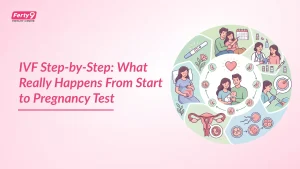
How IVF Works Step-by-Step
- Stimulation: Medicine is given to make the ovaries produce multiple eggs.
- Retrieval: The eggs are collected from the ovaries.
- Fertilization: Eggs are mixed with sperm in the lab.
- Transfer: The resulting embryo (fertilized egg) is placed directly into the uterus.
Why IVF Bypasses the Fallopian Tubes
In natural conception, the fallopian tube is the meeting point for egg and sperm. IVF removes the need for this meeting point. We take the egg out, introduce it to sperm in the lab, and put the resulting baby (embryo) straight into the womb. This makes the blocked tubes irrelevant.
IVF After Tubal Ligation – How It Works
Role of the Ovaries and Uterus
Even though your tubes are tied, your ovaries continue to release eggs every month, and your uterus remains healthy and ready to carry a baby. Tubal ligation does not affect your hormones or your menstrual cycle. IVF utilizes these still-functioning organs.
Why Tubal Ligation Does Not Affect IVF
The procedure of tying tubes only affects the transport system (the tubes). It does not damage the “egg factory” (ovaries) or the “baby’s home” (uterus). Therefore, IVF works just as well for women with tied tubes as it does for women with open tubes.
IVF Success Rates After Tubal Ligation
In fact, women who need IVF only because of tubal ligation often have some of the highest success rates. This is because, unlike other infertility patients, they usually have no other issues like egg quality problems or uterine defects—they are simply dealing with a mechanical blockage.
Step-by-Step IVF Process After Tubal Ligation
Step 1 – Initial Consultation & Fertility Testing
Your journey at Ferty9 starts with a check-up. We perform blood tests (like AMH) to check your egg reserve and an ultrasound to ensure your uterus is healthy. We also analyse your partner’s sperm.
Step 2 – Ovarian Stimulation
You will take hormone injections for 10-12 days. These are safe medications that encourage your ovaries to mature multiple eggs at once, instead of just one.
Step 3 – Egg Retrieval Procedure
Once the eggs are ready, we collect them. This is a quick, 15-minute procedure done under mild sedation. Using a thin needle guided by ultrasound, the doctor collects the eggs directly from the ovaries.
Step 4 – Sperm Collection & Fertilization
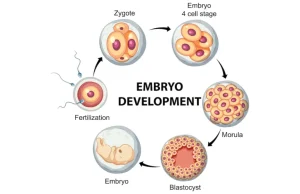
On the same day, your partner provides a sperm sample. Our embryologists mix the sperm and eggs in the lab to create embryos.
Step 5 – Embryo Development & Selection
The embryos grow in our advanced incubators for 3 to 5 days. We monitor them closely to select the healthiest one for transfer.
Step 6 – Embryo Transfer
This is the final step. The selected embryo is loaded into a thin tube and gently placed into your uterus. This feels similar to a Pap smear and requires no anesthesia.
Step 7 – Pregnancy Testing
About 10-14 days after the transfer, a simple blood test (Beta HCG) will confirm if you are pregnant.
IVF Success Rates After Tubal Ligation
Success depends on several factors:
Age and Egg Quality
This is the most critical factor. Women under 35 have excellent success rates. As age increases, egg quality naturally declines, which can affect outcomes even with IVF.
Sperm Health
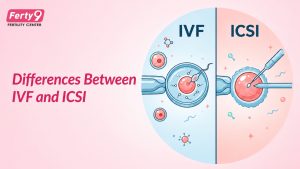
Healthy, motile sperm is needed to fertilize the eggs. If there are male fertility issues, we can use ICSI (injecting sperm directly into the egg) to help.
Uterine Health
A healthy uterine lining is essential for the embryo to stick and grow.
Clinical Expertise & Lab Technology
At Ferty9, our state-of-the-art lab and experienced doctors ensure the highest standards of care, significantly boosting your chances of a take-home baby.
IVF vs Tubal Ligation Reversal
Many couples wonder: “Should I get the surgery reversed or just do IVF?”
Which Option Is Better?
- Tubal Reversal: This is major surgery. It works best for younger women (under 30) who had only a small part of the tube removed. It requires you to wait to heal before trying to conceive naturally.
- IVF: This is generally preferred for women over 35, or those whose tubes were burnt (cauterized) or heavily damaged during the initial ligation. IVF offers a faster route to pregnancy.
Cost Comparison
Tubal reversal is a complex surgery that can be expensive. If it fails, you may still need IVF, doubling the cost. IVF has a clear, predefined cost structure.
Recovery Time & Effectiveness
Recovery from reversal surgery can take weeks. IVF requires no surgical incisions, and you can return to normal life almost immediately.
Benefits of IVF After Tubal Ligation
No Need for Surgery
You avoid the risks, pain, and recovery time associated with major abdominal surgery (tubal reversal).
Works Even with Damaged Tubes
If your tubes were cut short or burnt during the ligation, reversal is impossible. IVF is the only solution in these cases.
Option to Freeze Extra Embryos
IVF often produces multiple embryos. You can freeze the extra ones, allowing you to have another child years later without undergoing the full treatment again.
Risks and Considerations
IVF Side Effects
You may experience mild bloating, mood swings, or cramping from the medications. Severe side effects like Ovarian Hyperstimulation Syndrome (OHSS) are rare and carefully managed.
Multiple Pregnancy Risk
Because we may transfer more than one embryo (depending on age), there is a higher chance of twins compared to natural conception.
Emotional and Financial Stress
Fertility treatment is an investment of time and money. It’s important to have a supportive partner and a transparent medical team.
Tips to Increase IVF Success After Tubal Ligation
Lifestyle Changes
Maintain a healthy weight, quit smoking, and limit alcohol. A healthy body responds better to IVF medication.
Supplements & Nutrition
Taking Folic Acid and Vitamin D before starting treatment can improve egg quality. Eat a diet rich in proteins and antioxidants.
Choosing the Right IVF Clinic
Choose a clinic with a proven track record. Ferty9 specializes in complex fertility cases and offers personalized protocols for post-tubal ligation patients.
Final Thoughts
A tubal ligation is like a roadblock, but it is not a dead end. With IVF, thousands of women have successfully become mothers again after having their tubes tied. The procedure is safe, effective, and bypasses the damage completely. If you are dreaming of growing your family again, the team at Ferty9 is here to guide you every step of the way.













 No need to worry, your data is 100% safe with us!