


Is egg white discharge an early sign of pregnancy?
Yes, noticing an early pregnancy egg white discharge can be a completely healthy sign that your body is adapting to new hormonal changes. While a clear, stretchy fluid is most common during ovulation, a noticeable increase in mild-smelling, milky white discharge early pregnancy (naturally called leukorrhea) is often one of the very first signs of conception. This extra fluid acts as a natural barrier to the womb from infections. If you notice a shift from your usual white discharge after ovulation to a wetter, thinner fluid, it may be a beautiful, early hint that a baby is on the way.
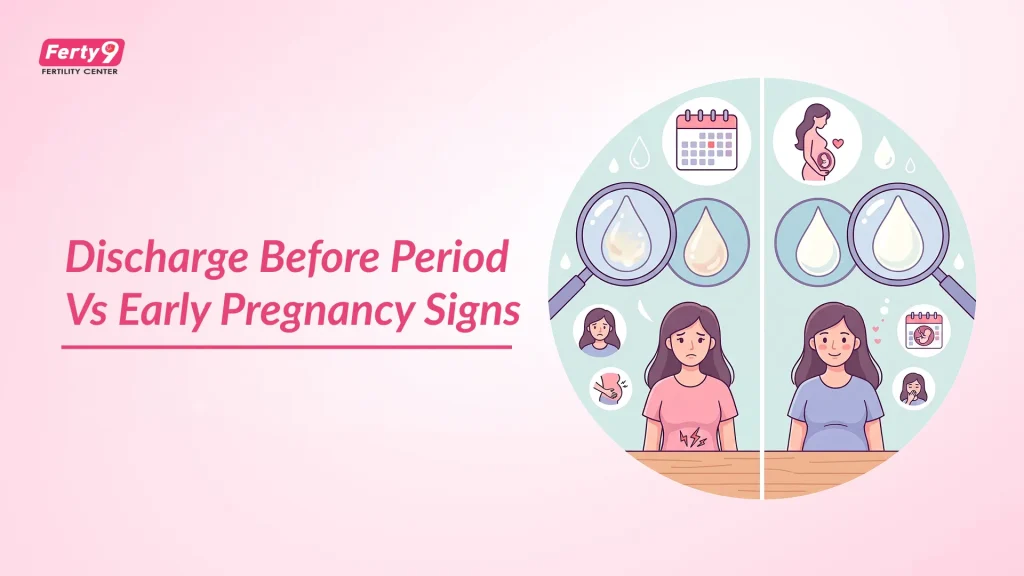
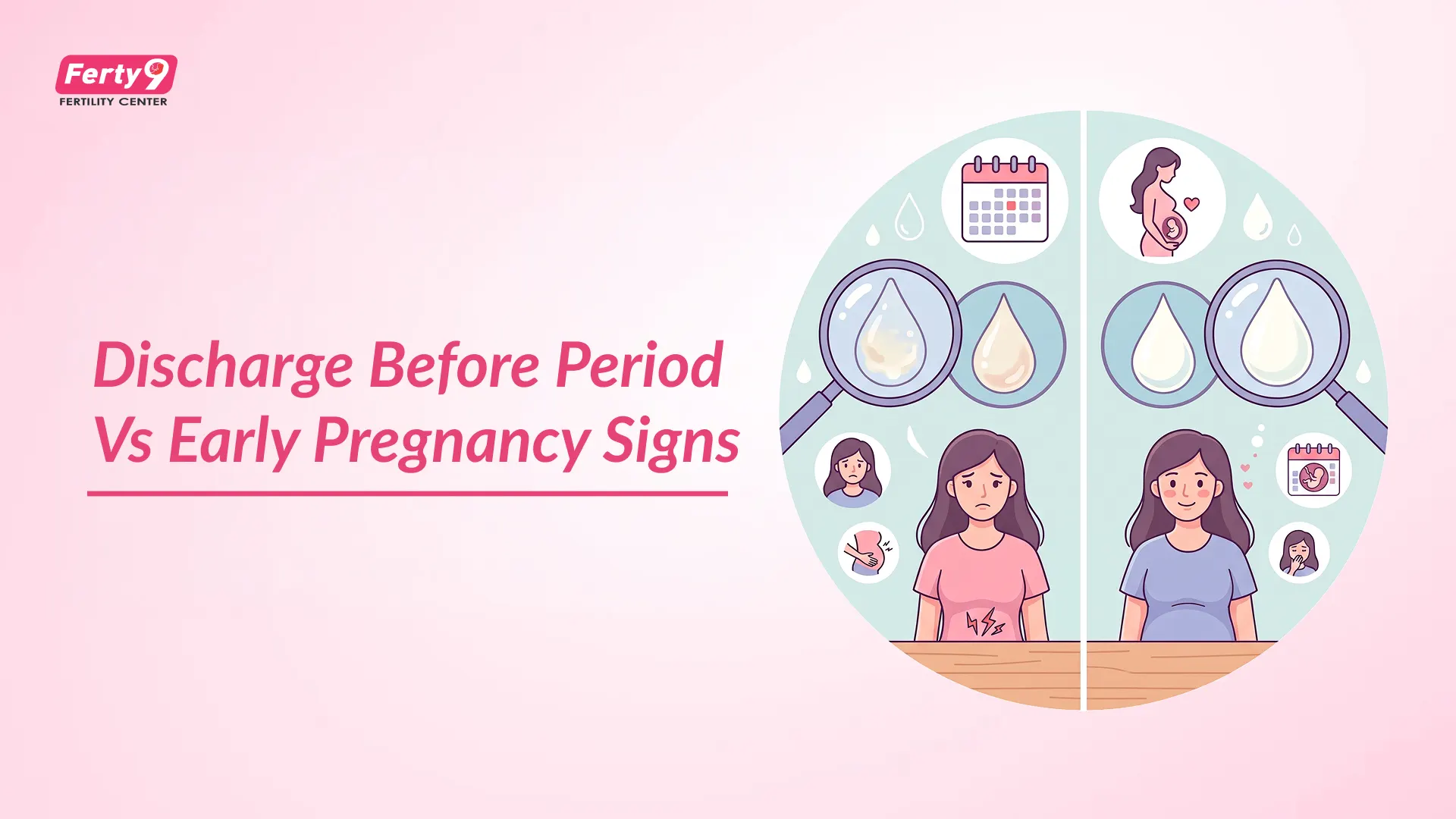
- Check Discharge Changes – Before a period, discharge often becomes dry, sticky, or paste-like. In early pregnancy, it can stay wetter, thinner, or slightly stretchy.
- Look At Colour And Amount – Early pregnancy discharge is usually milky white, clear, or off-white and becomes more noticeable, while regular-cycle discharge often decreases or dries up.
- Discharge Does Not Confirm Pregnancy – Egg-white discharge is most commonly linked to ovulation and can also follow intimacy or normal hormone changes. A pregnancy test is needed for confirmation.
- Keep Intimate Care Simple – Wear breathable cotton underwear, wash gently with plain lukewarm water, stay hydrated, and use an unscented panty liner if needed.
- Watch For Warning Signs – Strong or fishy smell, cottage-cheese-like discharge, bright yellow, green or grey colour, itching, burning, redness, or pain while urinating needs medical attention.
What exactly is early pregnancy egg white discharge?
When you are trying to conceive, you likely pay close attention to every small change in your body. Usually, a stretchy, clear fluid that looks like raw egg whites is a sign that you are ovulating and at your most fertile. However, some women also experience an early pregnancy egg white discharge.
When a fertilised egg successfully implants in your womb, your body experiences a sudden, beautiful surge in pregnancy hormones like estrogen. This hormonal shift increases blood flow to your pelvic area, prompting your body to produce more fluid. This discharge is typically thin, milky, and mildly smelling, and it works wonderfully to keep your intimate area clean and safe from everyday infections.
Is an egg white discharge before period a sign of pregnancy?
It is incredibly common to wonder: is an egg white discharge before period a sign of pregnancy? The simple answer is that it certainly can be.
Usually, in the days right before a standard menstrual period, your discharge becomes dry, sticky, or paste-like. If instead of drying up, your fluid remains wet, slippery, or turns into a generous white discharge early pregnancy, it might mean that your period is not coming. Because early pregnancy fluid and pre-period fluid can sometimes look similar, the best way to know for sure is to wait until the day of your missed period and take a gentle, at-home pregnancy test.
How does white discharge after ovulation change if you are expecting?
To help you understand what your body is trying to tell you, it is very helpful to know how your fluid changes throughout the month. If you are pregnant, your white discharge after ovulation will follow a slightly different pattern than usual.
Here is a simple table to help you spot the difference:
| Feature | Regular Cycle (Not Pregnant) | Early Pregnancy |
| Texture | Turns thick, sticky, or paste-like | Remains thin, watery, or slightly stretchy |
| Colour | Cloudy white or slightly yellow | Milky white, clear, or off-white |
| Amount | Decreases noticeably or dries up | Noticeably increases to protect the womb |
| Purpose | Natural shedding before a period | Acts as a shield against bacteria |
Are there other common reasons for egg white discharge?
If you have taken a test and are not pregnant, seeing this stretchy fluid is still a completely healthy sign of your body functioning well. Your body might naturally produce this fluid because of:
- Ovulation: This is the most common reason. Your body releases this clear, slippery fluid right before releasing an egg for a smooth, safe path for sperm to swim.
- Recent Intimacy: After moments of closeness with your partner, natural body lubrication or leftover semen can look and feel very similar to egg white discharge.
- Everyday Hormone Shifts: Simple things like travelling, changing your diet, feeling stressed, or starting new medications can temporarily alter your natural hormones and change your daily fluids.
How does this extra fluid actually protect my baby?
If your early pregnancy egg white discharge is indeed a beautiful sign that you have conceived, it has a very important job to do. As soon as a baby begins to grow, your body uses this extra fluid to build a natural, protective barrier at the opening of your womb.
Over the first few weeks of pregnancy, this discharge thickens to create what is known as a “mucus plug.” You can think of it as a completely safe, natural seal. It securely closes the entrance to your womb, ensuring that no outside bacteria or infections can reach your growing baby for the entire nine months.
Is it completely normal to have white discharge during the first trimester?
Having a steady white discharge during the first trimester is not just normal; it is a sign that your body is doing exactly what it is supposed to do. As your baby grows in the first few months, this fluid will continue to flow naturally. It might feel a bit uncomfortable or damp in your daily clothes, but it is your body’s beautiful, built-in cleaning system working hard to protect your growing baby.
How should I care for my intimate hygiene naturally?
In India, we have beautiful, natural traditions for staying clean and cool, which are especially helpful when your body is producing extra fluid. The main goal is to keep the area breathable, dry, and free from irritation without using harsh chemicals.
- Wear breathable cotton: Always choose 100% pure cotton underwear. Whether you are wearing a saree, salwar, or western clothes, cotton allows the skin to breathe perfectly during hot and humid Indian summers.
- Use plain, lukewarm water: Skip the heavily scented soaps, commercial intimate washes, and bubble baths. Washing gently with plain, lukewarm water is the safest and most effective way to stay clean.
- Stay naturally hydrated: Drink plenty of fresh water, tender coconut water or fresh buttermilk. These natural Indian coolers help flush out toxins and keep your urinary tract completely healthy.
- Use panty liners if needed: If the dampness feels bothersome, use a plain, unscented cotton panty liner and change it frequently throughout the day.
When is the right time to consult a doctor?
While increased fluid is a wonderful and natural part of pregnancy, you should always listen to your body if something feels wrong. Please visit your doctor if your discharge:
- Develops a strong, unpleasant, or fishy odour.
- Becomes thick and clumpy, resembling cottage cheese (paneer).
- Changes to a bright yellow, green, or grey colour.
- Causes redness, itching, burning, or pain when you urinate.
References
Vaginal Discharge During Pregnancy: What’s Normal? – Healthline
https://www.healthline.com/health/pregnancy/vaginal-discharge-during-pregnancy
Vaginal discharge during pregnancy: Colour and meaning – Medical News Today
https://www.medicalnewstoday.com/articles/323433
Watery Discharge: Is It Normal and When Should You Seek Help – Healthline
https://www.healthline.com/health/womens-health/watery-discharge
Vaginal discharge: Causes of white, yellow, and clear discharge – Medical News Today
https://www.medicalnewstoday.com/articles/321131

















 No need to worry, your data is 100% safe with us!