



Receiving a blood test result that says “Low AMH” can be frightening. Many couples immediately think this means they cannot get pregnant naturally, or that they must go straight to IVF (In Vitro Fertilisation). But is that really true?
Dr. Suma Varsha, Deputy Medical Director and a specialist in Reproductive Medicine with over 16 years of experience, sees this exact worry in her clinic every day. She helps clear the confusion and offers a practical, calming view on what a low AMH really means for your plans to have a baby.
What Does a Low AMH Actually Mean?
Before discussing any treatment options, Dr. Suma always takes the time to help her patients completely understand what this test result actually means. AMH stands for Anti-Mullerian Hormone. This blood test checks your “ovarian reserve,” which is the number of eggs currently resting inside your ovaries.
However, Dr. Suma points out an important detail that lab reports do not explain: AMH only measures the number of eggs you have left. It does not tell us anything about the quality or health of those eggs. As she often reminds her patients, it only takes one healthy egg to have a healthy pregnancy.
Dr.Suma’s View: Is IVF Your Only Option?
When patients sit in her office and ask if a low AMH means they are forced to do IVF, Dr. Suma’s answer is a clear “No.” A low AMH score by itself does not mean a natural pregnancy is impossible.
Dr. Suma explains that a single blood test does not decide your fertility. If your periods are on time, your fallopian tubes are open, and your partner’s sperm test is completely normal, you may still have a great chance of getting pregnant naturally. You might also do well with simpler treatments like IUI (Intrauterine Insemination). The AMH number is just one part of your overall health, not the whole story.
What Other Tests Will Give You a Clearer Picture?
Since AMH only gives half the story, Dr. Suma always advises looking at a few other simple details to get a complete picture of your fertility.
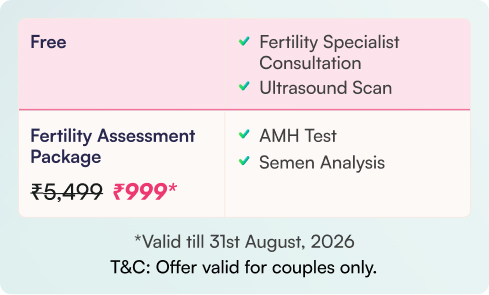
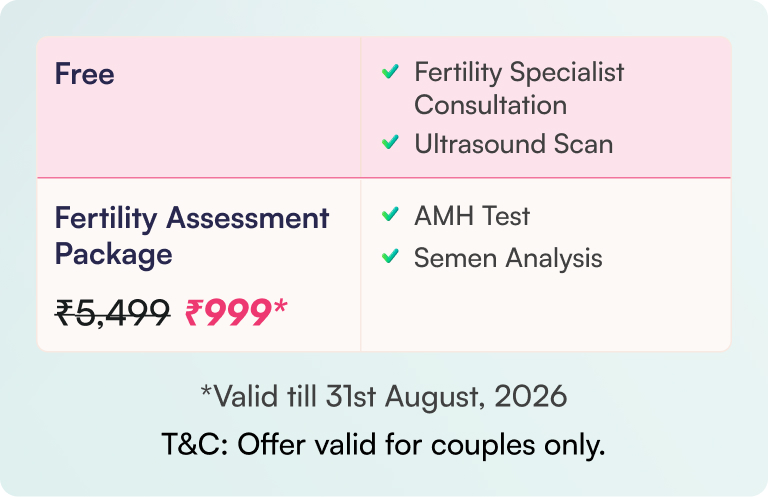
She will usually recommend a painless ultrasound scan to check your Antral Follicle Count (AFC). This allows the doctor to count the tiny egg sacs in your ovaries. She might also check other basic hormones on the second day of your period. By looking at all these results together, the doctor can easily see how well your ovaries are actually working, rather than relying on one AMH number.
Can You Improve Your Egg Health?
While you cannot magically increase the total number of eggs you have, Dr. Suma happily shares that you can definitely support the quality of the eggs that remain. Because egg quality matters much more than egg quantity, focusing on a healthy routine is a powerful step.
Eating fresh, nutrient-rich foods, getting plenty of peaceful sleep, and managing daily stress through light exercise or yoga can beautifully support your egg health. Sometimes, the doctor might also suggest a few safe, daily vitamins to give your body a gentle extra boost.
How to Handle the Stress of a Low AMH Result
When a woman hears she has a low ovarian reserve, the emotional weight can feel incredibly heavy. Dr. Suma often notices that the stress and anxiety caused by this single test result can sometimes be harder to deal with than the medical condition itself.
She gently reminds her patients that their mental well-being is a huge part of their fertility journey. Constant worry and fear can affect the body’s natural balance. Dr. Suma highly encourages couples to support each other, talk openly about their feelings, and never hesitate to speak with a fertility counsellor. Approaching the journey with a calm, hopeful mindset creates a much better environment for your body, no matter which treatment path you eventually choose.
Why Your Partner’s Health is Important
When a low AMH result comes back, the focus almost always shifts entirely to the woman. However, Dr. Suma makes a point for couples that it takes two to make a baby! If a woman has a low number of eggs, the health and strength of her partner’s sperm become even more important.
Before making any big decisions about IVF, Dr. Suma always advises checking the male partner’s health with a simple, painless semen analysis. If the sperm count is high and they are moving perfectly well, the chances of a natural pregnancy or a simple treatment like IUI remain very hopeful. It is always a team effort, and looking at both partners together gives the clearest path forward.
When Does IVF Become the Right Step?
While IVF is not required for everyone, Dr. Suma notes that there are specific times when she will advise a couple to consider it. She usually recommends looking into IVF if:
- Age is a factor: If a woman is in her late 30s or early 40s, the natural health of her eggs starts to decline. In this situation, IVF helps speed up the process safely before the egg numbers drop any further.
- There are other fertility blocks: If the fallopian tubes are blocked or there are major issues with the sperm, natural conception or IUI will not work. In these cases, IVF is simply the most direct and effective path.
- Time is critical: If the AMH levels are dropping very quickly, IVF is the best way to collect and safely save the remaining healthy eggs to secure your chances of having a baby.
Final Word
Dr. Suma’s main advice to women facing a low AMH result is not to panic. Do not let one number on a lab report decide your journey or cause you unnecessary stress.
Instead of worrying about the test result, sit down with a trusted fertility doctor. A good specialist will look at your overall health, your age, your ultrasound scans, and your partner’s health before planning the safest and best next step for you.



















 No need to worry, your data is 100% safe with us!