



Parenthood is a blessing, but being overweight or underweight before getting pregnant can snatch away the blessing. Analyzing the body mass index becomes crucial and helps identify the need to cut or gain weight. Before pregnancy, maintaining a healthy BMI can significantly help pregnant women give birth to a healthy child.
An imbalanced BMI impacts fertility for men and women, causing several reproductive health challenges. In men, it can cause a reduced sperm count and quality. In women, it can cause irregular menstrual cycles and hormonal imbalances. Therefore, it is important to understand the connection between BMI & . fertility.
Suggested Read: How to increase sperm count and motility
What is Body Mass Index (BMI)?
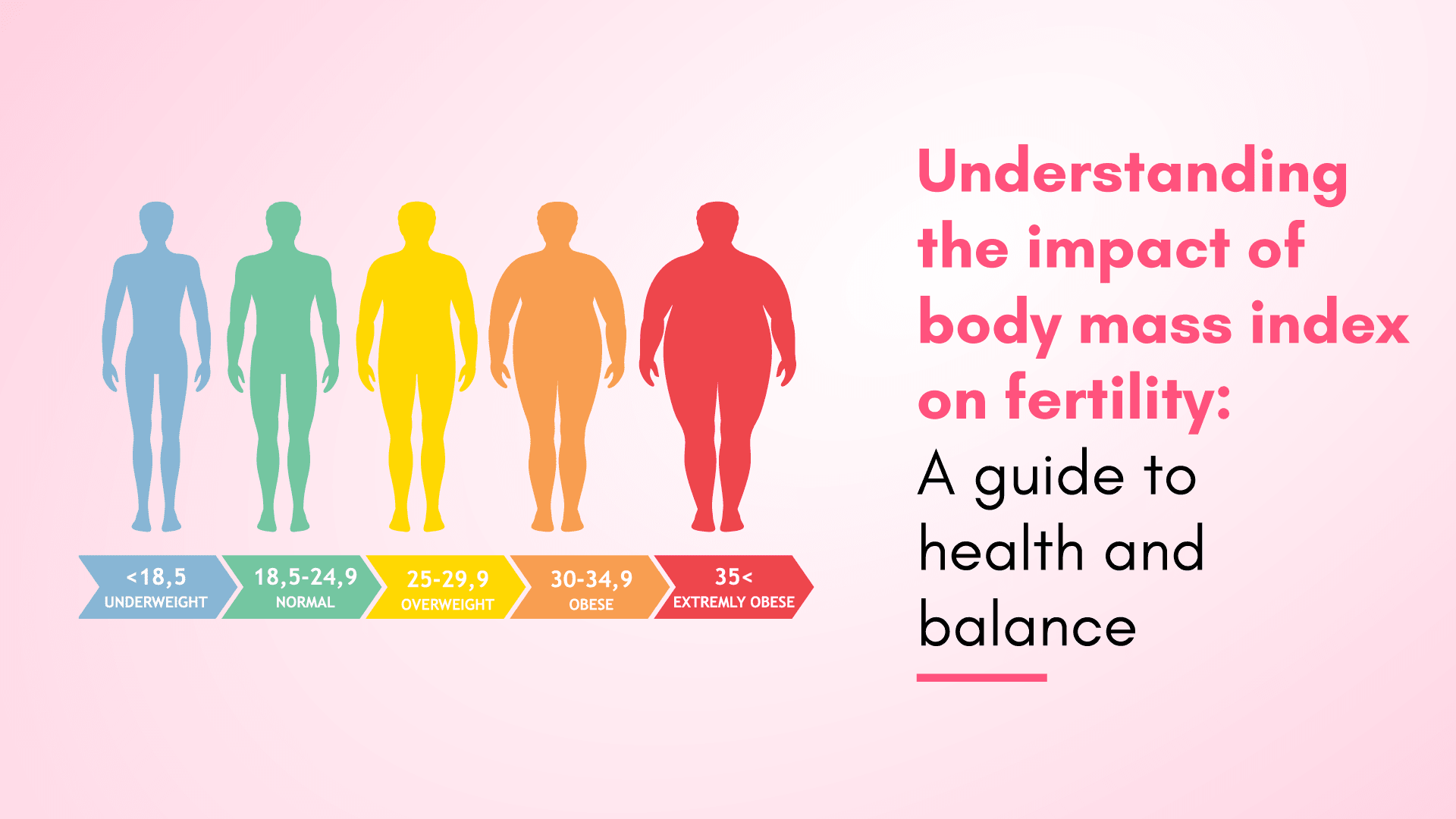
Body Mass Index (BMI) is a quantitative measure of an individual’s body fat. It applies a simple formula using kilograms and meters but doesn’t directly measure health. BMI categories (underweight, normal, overweight, obese) indicate potential health risks based on weight relative to height.
The Impact of BMI on Reproductive Hormones and Its Link to Fertility
BMI significantly influences reproductive hormones, affecting fertility in both men and women. It can increase infertility risks and pregnancy complications in women while impacting male reproductive hormones and fertility.. Let’s understand how the BMI of women and men impacts their fertility.
Suggested read: Role of Hormones in Fertility
Increased Risks of Infertility and Pregnancy Complications in Women:
Underweight, obese, and overweight BMI for women showcase potential chances of multiple pregnancy complications. The major ones include a high risk of miscarriage, high blood pressure, pre-eclampsia, gestational diabetes, cesarean birth, and stillbirth.
Additionally, poor body mass index scores indicate potential risks of childhood obesity in newborns, along with other medical conditions. High blood pressure can also enhance the potential risks of preeclampsia, placental abruption, preterm birth, and low birth weight.
Optimal body weight supports reproductive wellness, minimizing fertility challenges and pregnancy-related risks.
Effects of Obesity on Male Reproductive Hormones and Fertility:
Men with a high Body Mass Index (BMI) (over 30), according to the BMI chart for men, may experience a decline in metabolic and reproductive health, including subfertility, erectile dysfunction, and lower sperm quality. Obesity also leads to lower sexual hormone levels and performance, along with a high risk of azoospermia (absence of sperm) or oligozoospermia (low sperm count).
Maintaining a stable body mass index improves the total sperm count and quality. Healthcare professionals recommend that men achieve a healthier weight at least three months before conception, as it enhances sperm count and quality, leading to successful fertilization and the progression of pregnancy. Keeping a healthy BMI is crucial for both metabolic and reproductive health in men. .
How can you achieve a healthy BMI for fertility?
Specialists at Ferty9 Fertility Center recommend couples have a balanced body mass index score for healthy fertility, lifestyle, and pregnancy. Here are some of the best tips medical professionals recommend:
- Include a balanced diet in your lifestyle. Incorporate a variety of foods such as green vegetables, fruits, eggs, legumes, whole grain bread, cereals, and milk into your daily diet plan to maintain a healthy Body Mass Index (BMI) for both women and men.
- Avoid consuming junk food and discretionary foods or start reducing their amount daily. Further, limit unhealthy food items.
- Stop consuming sugary drinks, and rely more on the natural juices of fresh fruits and vegetables. Be hydrated.
- BMI test is successful when you adopt physical activities in your daily routine. Or, simply start doing yoga & exercise for a healthier lifestyle.
- It is important to set realistic weight goals. These can include the weight gain and loss you expect within a week. Seek professional help for weight management challenges. Experts can improve your body mass index. Consult dietitians, trainers, doctors, and support groups.
Suggested Read: Lifestyle Options to support female infertility treatment
Normal Body Mass Index (BMI) Chart
The body mass index chart for men and women is as follows:
BMI Range
Weight Status
Below 18.5
Underweight
18.5 – 24.9
Normal Weight
25.0 – 29.9
Overweight
30.0 and Above
Obese
As BMI is a significant factor in both men’s and women’s reproductive problems, even little lifestyle changes can have a significant impact on the body’s health.
- Research has indicated that a reduction in body weight leads to improvements in endocrine parameters, including reduced levels of free testosterone, decreased fasting insulin levels, and a higher ovulation frequency in women.
- Women who lose weight see a considerable drop in central fat deposits and serum luteinizing hormone levels, along with the restoration of regular menstrual periods.
Conclusion
It is important to understand the impact of body mass index on fertility for both men and women when they plan to start their family. BMI maintenance plays a crucial role in a healthy pregnancy with no side effects. You can easily attain a healthy pregnancy stage in various ways, such as maintaining a healthy lifestyle, diet, and physical exercise.