


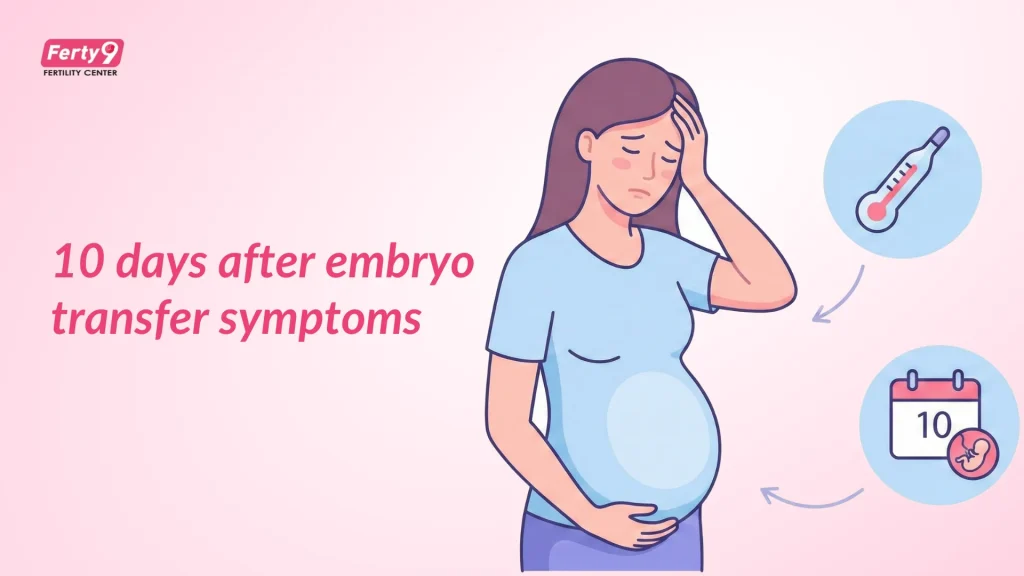
The 10-day mark after your IVF embryo transfer is a significant milestone. By this point, the tiny embryo has hopefully completed its journey and successfully implanted into your uterine lining. Your body is now beginning to produce the early pregnancy hormones, hCG and progesterone, which are essential for a healthy pregnancy.
While many of the symptoms you might feel are completely normal, some can be signs of important changes—either positive hints of implantation or concerning signs of complications. This guide will help you understand which symptoms to expect 10 days after your embryo transfer and, more importantly, which ones you should not ignore.
- Implantation Is Usually Complete – By 10 days after embryo transfer, the embryo has typically implanted, and hCG levels begin rising enough for pregnancy detection.
- Symptoms Differ for Everyone – Mild cramping, fatigue, breast tenderness, bloating, nausea, or light spotting are common, but no symptoms can also indicate a healthy pregnancy.
- Don’t Judge by Symptoms – Pregnancy symptoms and IVF medication side effects often overlap, so symptoms alone cannot confirm success or failure.
- Beta hCG Confirms Pregnancy – A blood beta hCG test is the most accurate way to confirm pregnancy and is usually recommended 10–14 days after embryo transfer.
- Continue Post-Transfer Care – Keep taking prescribed medications, avoid strenuous activity, and follow your fertility specialist’s instructions until test day.
What Happens After Embryo Transfer
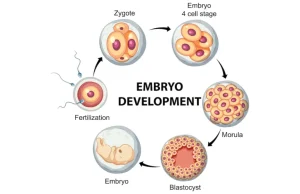
- The Embryo Transfer Process: The transfer is a simple procedure where a healthy embryo (3 or 5 days old) is placed into your uterus. The goal is for this embryo to attach to the uterine wall.
- The “Two-Week Wait”: This is the period between the transfer and your official pregnancy blood test (beta hCG). Day 10 is a crucial point in this wait, as hCG levels may start to become detectable.
- Implantation Timeline: Implantation typically occurs between Day 6 and Day 10. By Day 10, any light spotting from implantation should be over, and your body starts producing the hormones that support pregnancy.
What’s Happening Inside Your Body on Day 10
At 10 days post embryo transfer, your body is in a state of high activity.
- Hormonal Changes: Progesterone levels remain high to keep your uterine lining thick and nourished. If implantation was successful, hCG levels are beginning to rise, signaling the start of a pregnancy.
- Physical Adjustments: Your uterus is becoming more enriched with blood vessels to support the growing embryo. As a result, early pregnancy symptoms may start to become more noticeable.
Common and Normal Symptoms at 10 Days Post Embryo Transfer
Most of the symptoms you feel at this stage are mild and often caused by the high levels of progesterone.
Implantation-Related Signs
- Mild Cramps or Twinges: A light pulling or tingling sensation is very common as your uterus adjusts.
- Spotting or Light Brown Discharge: This might be some residual bleeding from the implantation process.
Hormonal and Early Pregnancy Symptoms
- Fatigue and Sleepiness: Feeling more tired than usual is one of the most common early signs.
- Breast Tenderness: Your breasts might feel swollen, sore, or sensitive.
- Frequent Urination: Hormonal shifts can increase your need to use the bathroom.
- Bloating or Mild Constipation: Progesterone is known to slow down digestion.
Emotional and Mood Changes
It’s normal to feel moody, irritable, or anxious. These feelings are often a side effect of the progesterone and the stress of the two-week wait.
Symptoms You Should Not Ignore on Day 10
While mild symptoms are normal, there are certain signs to not ignore after an embryo transfer. These require immediate medical attention.
Heavy Bleeding or Bright Red Blood
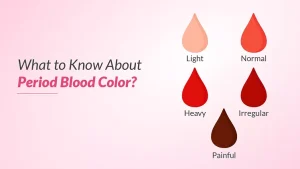
Light spotting can be normal, but if you experience bleeding that is as heavy as a period or is bright red, you should contact your fertility clinic immediately.
Severe or Sharp Abdominal Pain
Mild cramping is common, but severe, sharp, or persistent pain is not. This could be a sign of a complication like Ovarian Hyperstimulation Syndrome (OHSS) or an infection.
High Fever or Chills
A fever (over 100.4°F or 38°C) is not a normal symptom and could indicate an infection that needs to be treated.
Sudden Bloating, Shortness of Breath, or Rapid Weight Gain
These are classic OHSS symptoms after IVF. OHSS is a reaction to fertility drugs, and while rare in its severe form, it requires immediate medical care.
Foul-Smelling or Unusual Vaginal Discharge
Any unusual discharge, especially if it has a bad smell, could be a sign of an infection.
Dizziness, Fainting, or Weakness
Feeling very dizzy or weak could be a sign of dehydration or other complications and should be reported to your doctor.
When to Expect a Positive Pregnancy Test
As tempting as it is, try to wait for your scheduled blood test.
- The most accurate test is the beta hCG blood test, which is typically done 12 to 14 days after the transfer.
- A home pregnancy test on Day 10 might still show a false negative because hCG levels can be too low for a urine test to detect. A faint positive is a hopeful sign but must be confirmed with a blood test.
Understanding Medication Side Effects
It’s very important to remember that the progesterone and estrogen supplements you are taking are designed to mimic the hormonal state of pregnancy. Therefore, side effects like bloating, sore breasts, fatigue, and mood swings are very common and can happen whether you are pregnant or not.
Emotional and Psychological Health
The anxiety of the two-week wait often peaks around Day 10.
- Manage Stress: Try to stay distracted with light, enjoyable activities like reading, watching movies, or gentle walks.
- Avoid Over-Analysing: Try not to track every single symptom, as it can increase stress.
- Remember: Feeling no symptoms at all does not mean your IVF cycle has failed. Many women with successful pregnancies report feeling completely normal.
When to Call Your Doctor Immediately
Do not hesitate to call us at Ferty9 if you experience any of the “red flag” symptoms:
- Bleeding heavier than a period.
- Fever above 100.4°F (38°C).
- Sharp or severe one-sided pain.
- Difficulty breathing or sudden, extreme bloating.
Summary
By Day 10 after your embryo transfer, your body might be giving you subtle hints of pregnancy, or it might be staying quiet. Both are perfectly normal. The key is to listen to your body and know the difference between common, mild symptoms and the serious signs you should not ignore.
Stay attentive, follow the guidance of your Ferty9 team, and approach your upcoming pregnancy test with a calm and positive mindset. We are with you every step of the way.
References
- Signs Your Embryo Transfer May Have Been Successful – Healthline
- What to Do After the Embryo Transfer: Precautions and More – Healthline
- Embryo Transfers: What You Need to Know – Medical News Today
- In Vitro Fertilization (IVF) for Infertility: Procedure, Risks, and Success Rate – WebMD













 No need to worry, your data is 100% safe with us!