


The 8th day after your embryo transfer is a critical and anxious point in your IVF journey. By this stage, the tiny embryo has hopefully completed or is in the final stages of implantation—the magical moment it attaches to your uterine wall.
While it’s natural to be on high alert for any early signs of pregnancy, it’s important to know that symptoms can be encouraging but are not definitive proof. Every woman’s experience is unique, and what you feel (or don’t feel) is completely normal for your journey.
- Implantation Is Near Completion – Eight days after embryo transfer typically marks the final stage of implantation, when the embryo is usually fully attached to the uterine lining and early pregnancy begins.
- Early Symptoms Can Appear – Mild cramping, bloating, and light spotting are common at this stage and are often linked to implantation and ongoing progesterone support.
- hCG Production Begins – The body starts producing hCG after successful implantation, but hormone levels may still be too low for a home pregnancy test to detect.
- Avoid Testing Too Early – A home pregnancy test at eight days after embryo transfer may produce a false-negative result, making the scheduled beta hCG blood test the most reliable confirmation.
- Continue Following Your Care Plan – Keep taking prescribed medications, monitor symptoms without overanalyzing them, and attend your scheduled follow-up appointment for accurate pregnancy confirmation.
IVF and Embryo Transfer Basics
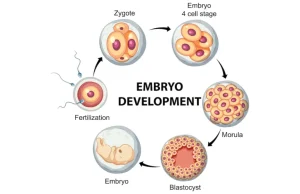
- What Is an Embryo Transfer? This is a simple procedure where a fertilized embryo, either 3 days (cleavage stage) or 5 days (blastocyst) old, is gently placed into your uterus. The ultimate goal is for this embryo to successfully implant in the uterine lining.
- The IVF Timeline Recap: The IVF journey follows a clear path: Fertilization → Embryo Culture → Transfer → Implantation → Beta hCG test. Day 8 post-transfer falls right in the middle of the crucial “two-week wait.”
What’s Happening Inside Your Body 8 Days After Embryo Transfer
At 8 days post-embryo transfer, your body is a hub of activity.
- Implantation Status: Implantation usually occurs between Day 6 and Day 10. By Day 8, the embryo may be fully attached and is beginning to signal its presence by producing the pregnancy hormone, hCG.
- Hormonal Activity: Progesterone levels remain high to support the uterine lining, making it a nourishing home for the embryo. While hCG secretion is starting, it is usually too low to be detected by a home pregnancy test at this point.
Common Early Signs 8 Days After Embryo Transfer
Here are some of the common 8 days post embryo transfer pregnancy symptoms you might experience.
Physical Symptoms Possibly Linked to Implantation
- Mild Cramps or Twinges: A light pulling or tingling sensation as the embryo attaches deeper into the uterine lining.
- Light Spotting or Discharge: This is classic implantation bleeding and is usually light pink or brown.
- Bloating or Heaviness: Progesterone and early hCG can slow digestion, making you feel full.
Hormonal or Systemic Symptoms
- Breast Tenderness: Your breasts might feel sore, full, or sensitive due to rising progesterone.
- Fatigue: Feeling unusually tired is a very common early sign as your body dedicates energy to the potential pregnancy.
- Mood Swings: It’s normal to feel more emotional or sensitive.
Subtle Body Changes
- A slight, sustained rise in your basal body temperature.
- Increased thirst or minor changes in your appetite.
- Nausea is rare at this early stage but can occur for some women.
No Symptoms at 8 Days Post Transfer: Is That Normal?
Yes, absolutely! It is very common to have no symptoms after an embryo transfer. A lack of symptoms does not mean the IVF cycle has failed. Many successful pregnancies begin without any early signs at all. Some embryos also implant a little later (around Day 9 or 10), so it may just be too early for you to feel anything.
Implantation Bleeding vs. Period: How to Tell the Difference
It can be stressful to see any bleeding, but it’s important to know the difference.
| Feature | Implantation Bleeding | Menstrual Bleeding |
| Timing | 6–10 days post-transfer | 12–14 days post-transfer |
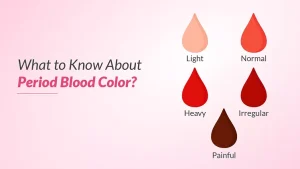
| Color | Light pink/brown | Bright or dark red |
| Flow | Light spotting, not a real flow | Starts light, becomes moderate to heavy |
| Duration | 1–2 days | 3–7 days |
Symptoms Caused by IVF Medications (Not Implantation)
This is the most confusing part of the two-week wait. The progesterone supplements you take are designed to mimic a pregnancy state.
- Progesterone Effects: This medication causes symptoms like breast tenderness, bloating, fatigue, and mood swings, whether you are pregnant or not.
- Why It’s Confusing: It is almost impossible to tell the difference between medication side effects and true early pregnancy symptoms. The only reliable way to know for sure is the beta hCG blood test at our Ferty9 clinic.
Emotional and Mental Signs
It’s natural to feel anxious and hyperaware of every sensation in your body.
- Avoid Symptom-Checking: Try to resist the urge to search for symptoms online, as it can increase anxiety.
- Stay Calm: Engage in light, relaxing activities like reading, watching movies, or gentle walks.
- Stay Positive but Grounded: Hope for the best but understand that the outcome is not determined by what you feel.
When Can You Take a Pregnancy Test?
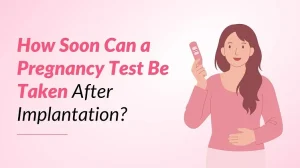
Patience is key. The most accurate test is the beta hCG blood test, which we schedule for 10–14 days after your embryo transfer. Testing at home on Day 8 will likely result in a false negative because the hCG hormone levels are still too low to be detected in urine.
What to Do at 8 Days Post-Transfer
Do’s:
- Continue all your prescribed medications without fail.
- Eat warm, nourishing, home-cooked meals.
- Stay hydrated and get plenty of rest.
- Engage in gentle activities like walking.
Don’ts:
- Do not skip any medications.
- Avoid stress, alcohol, and smoking.
- Do not take an early pregnancy test, as it can cause unnecessary emotional distress.
- Avoid strenuous exercise or lifting heavy objects.
When to Contact Your Fertility Specialist
Please call us at Ferty9 immediately if you experience:
- Heavy bleeding (like a period)
- Severe or sharp cramps
- Fever or chills
- Any other sudden or concerning changes.
Summary
At 8 days post embryo transfer, your body might be giving you subtle hints of implantation signs, or it might be quiet. Both scenarios are perfectly normal.
The best approach is to stay calm, continue your medications, and nourish your body and mind. The journey requires patience, and the only definitive answer will come from your official blood test. The entire team at Ferty9 is with you, hoping for the very best outcome.















 No need to worry, your data is 100% safe with us!