


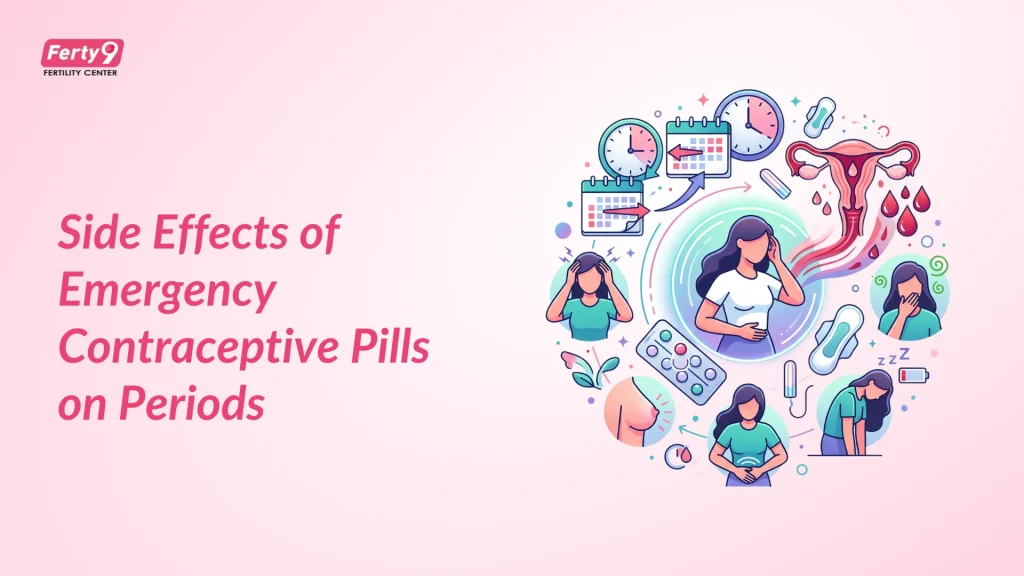
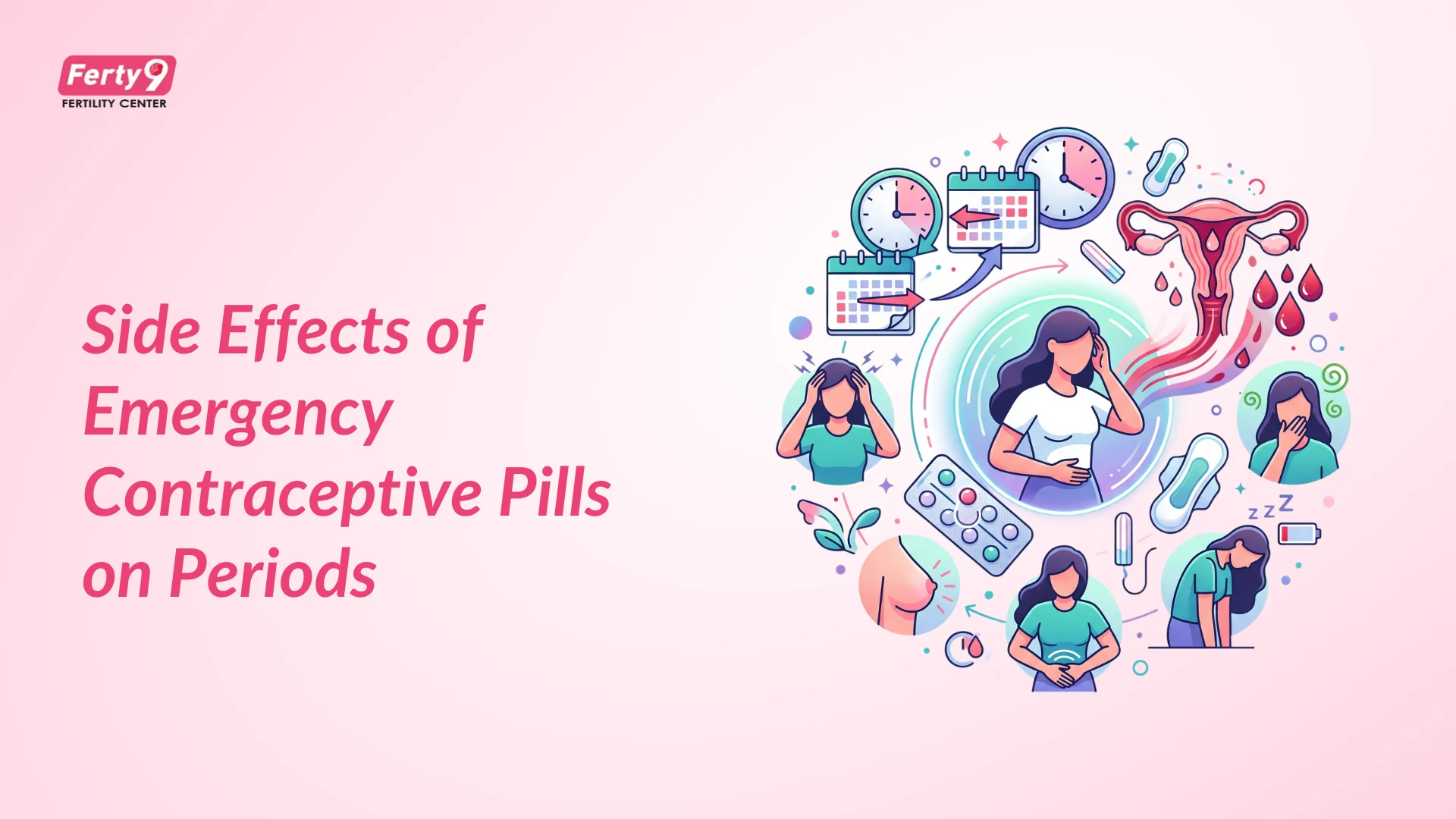
- Emergency Pills Can Delay Periods – Emergency contraceptive pills may temporarily affect hormone levels, causing periods to arrive earlier, later, heavier, or lighter than usual.
- Spotting and Irregular Bleeding Are Common – Mild spotting or unexpected bleeding for a few days after taking the pill is common and usually not a cause for concern.
- Temporary Side Effects Usually Fade – Some women may experience nausea, cramps, breast tenderness, fatigue, or mood changes, but these symptoms often improve within a few days.
- Periods Usually Normalize Quickly – In most cases, menstrual cycles return to their regular pattern within one or two cycles after using emergency contraception.
- See a Doctor if Periods Are Very Late – If your period is delayed by more than a week or symptoms become severe, taking a pregnancy test and consulting a doctor is recommended.
Emergency contraceptive pills are a vital backup method to help women prevent unplanned pregnancies. Whether a condom breaks, a regular birth control pill is missed, or unprotected intercourse occurs, these pills act as a safety net. In India, popular brands like i-Pill and Unwanted-72 are easily available over the counter.
However, emergency contraception is strictly for emergencies and is not meant to replace regular birth control. Because these pills contain high doses of synthetic hormones (like levonorgestrel), understanding the emergency contraception side effects on your menstrual cycle is essential for your peace of mind. Here is a complete guide to help you navigate how these pills work and what to expect.
How do emergency contraceptive pills work?
For the highest effectiveness, emergency pills should be taken within 24 hours of unprotected intercourse, though they can still work if taken within 3 to 5 days.
These pills primarily use a synthetic hormone called progestin. Depending on where you are in your menstrual cycle, the pill works by:
- Delaying Ovulation: Preventing your ovaries from releasing an egg, so there is nothing for the sperm to fertilize.
- Preventing Implantation: If fertilization has already occurred, the pill alters the lining of your uterus (endometrium) to prevent the fertilized egg from attaching.
Note: If the fertilized egg has already implanted, you are legally and medically pregnant. Emergency pills will not disrupt an existing pregnancy.
Who can and cannot use emergency contraceptive pills?
While women of any reproductive age can generally use these pills safely without a prescription, there are certain scenarios where you should consult a doctor first:
- If you are already pregnant: The pill will not work.
- If you have undiagnosed vaginal bleeding: This needs to be medically evaluated first.
- If you are obese: High body weight or a high BMI can significantly reduce the pill’s effectiveness.
- If you have specific medical conditions: Women with severe liver disorders, cardiovascular issues, or a history of hormonal imbalances should seek medical advice.
- If you are on certain medications: Some drugs (like tuberculosis or epilepsy medications) can interact with and weaken the contraceptive pill.
What are the different types of contraception?
To understand emergency pills better, it helps to know how they fit into the broader world of family planning:
- Hormonal Contraception: Uses synthetic hormones (estrogen and progesterone) to stop ovulation regularly. Examples: Daily oral pills, vaginal rings, contraceptive patches, and hormonal injectables.
- Non-Hormonal Contraception: Uses physical barriers or non-hormonal environments to stop sperm from reaching the egg. Examples: Male/female condoms, copper IUDs (Intrauterine Devices), and cervical caps.
- Emergency Contraception: Used specifically after unprotected sex to prevent pregnancy. Examples: Morning-after pills (like levonorgestrel) and the immediate insertion of a Copper IUD.
What are the potential emergency contraception side effects on periods?
Taking a concentrated dose of hormones can cause a variety of side effects. By knowing what to look out for, you can manage them comfortably.
Mild Side Effects:
These are common and usually resolve on their own without medical intervention:
| Symptom | What You Might Experience |
| Menstrual Changes | Your next period may arrive up to a week early or a week late. |
| Irregular Bleeding | You may notice brown spotting or light bleeding between periods. |
| Physical Discomfort | Mild nausea, headaches, breast tenderness, or an upset stomach. |
| Hormonal Shifts | Temporary mood swings or sudden acne breakouts. |
Severe Side Effects:
Though rare, you should seek immediate medical attention if you experience:
- Severe Abdominal Pain: Intense pain within 3 to 5 days of taking the pill could indicate an ectopic pregnancy (when a fertilized egg implants in the fallopian tube).
- Continuous Heavy Bleeding: Bleeding that is much heavier than your normal cycle and does not stop.
- Signs of Blood Clots (DVT): Extreme pain or swelling in your legs.
- Allergic Reactions: Swelling of the lips, face, or throat, hives, or difficulty breathing.
- Liver Dysfunction: Dark urine, abdominal pain, or yellowish eyes (jaundice).
What should you expect after taking the emergency pill?
Once you have taken the medication, keep these important pointers in mind:
- The 2-Hour Rule: If you vomit within two hours of taking the pill, it has not been absorbed into your system. You must consult your doctor about taking another dose.
- It Does Not Last: The pill only protects you from the previous act of unprotected sex. It will not protect you if you have unprotected intercourse again in the following days.
- Take a Pregnancy Test: Because the pill can delay your cycle, take a home pregnancy test if your period is delayed by more than a week.
When do you need a doctor’s consultation?
Even though emergency contraceptive pills are available over the counter and are safe to use, professional medical guidance is sometimes necessary. You should book a consultation with your healthcare provider if you experience:
- Heavy Vaginal Bleeding: Bleeding that is unusually heavy and does not slow down after a few days.
- Continuous Spotting: Irregular bleeding or spotting that persists for several days without stopping. Talking to your physician ensures you get personalized guidance based on your medical history and rules out any hidden complications.
Can you take emergency contraceptive pills during your Period?
Many women wonder if it is safe to take the pill while they are actively bleeding. Yes, it is safe, but there are two specific considerations you should keep in mind:
- What about its Efficacy? The pill’s effectiveness is always highest when taken immediately after unprotected intercourse. However, if you take it during your period, the natural likelihood of conception is already relatively low because your fertile window is typically closed.
- What are the Menstrual Changes? While it is safe to take the pill while bleeding, doing so adds extra synthetic hormones to an already shifting system. You should be prepared for noticeable irregularities, unpredictable spotting, or delays in your subsequent (next) menstrual cycles.
References
Emergency Contraception Fact Sheet – World Health Organization (WHO)
https://www.who.int/news-room/fact-sheets/detail/emergency-contraception
Emergency Contraception Overview – American College of Obstetricians and Gynaecologists (ACOG)
https://www.acog.org/womens-health/faqs/emergency-contraception
Emergency Contraceptive Pill – National Health Service (NHS)
https://www.nhs.uk/conditions/contraception/emergency-contraceptive-pill
Contraception and Family Planning – Centers for Disease Control and Prevention (CDC)
https://www.cdc.gov/reproductive-health/about/index.html














 No need to worry, your data is 100% safe with us!