


The “two-week wait” after an IUI (Intrauterine Insemination) or IVF (In Vitro Fertilization) procedure is often the most emotionally challenging part of fertility treatment. Every little twinge or cramp can make you wonder, “Did it work? Is the baby attaching?”
It is completely normal to feel anxious and eager to take a pregnancy test. However, understanding your body’s biological timeline can save you from the unnecessary heartbreak of a false negative or the confusion of a false positive. Here is a simple, step-by-step guide to how implantation works and exactly when you should take that test.
What is Implantation?
In simple terms, conception is a two-part journey. First, the sperm must meet and fertilize the egg. Second, this fertilized egg (embryo) must travel into the uterus and snuggle deep into the soft, spongy uterine lining (the endometrium). This snuggling and attaching process is called implantation. A pregnancy is only truly established once implantation is complete.
The Implantation Timeline for IUI
During an IUI cycle, your fertility specialist places washed, concentrated sperm directly into your uterus right around the time your ovary releases an egg (ovulation). From there, nature takes its course. The sperm swims to the fallopian tube to fertilize the egg.
If you are wondering how long after iui does implantation occur, it helps to know that the fertilized egg takes several days to travel down the fallopian tube and reach the uterus.
Typically, implantation after iui happens anywhere between 6 to 12 days after the procedure. The most common days for the embryo to successfully attach to the uterine wall are days 8, 9, or 10.
The Implantation Timeline for IVF
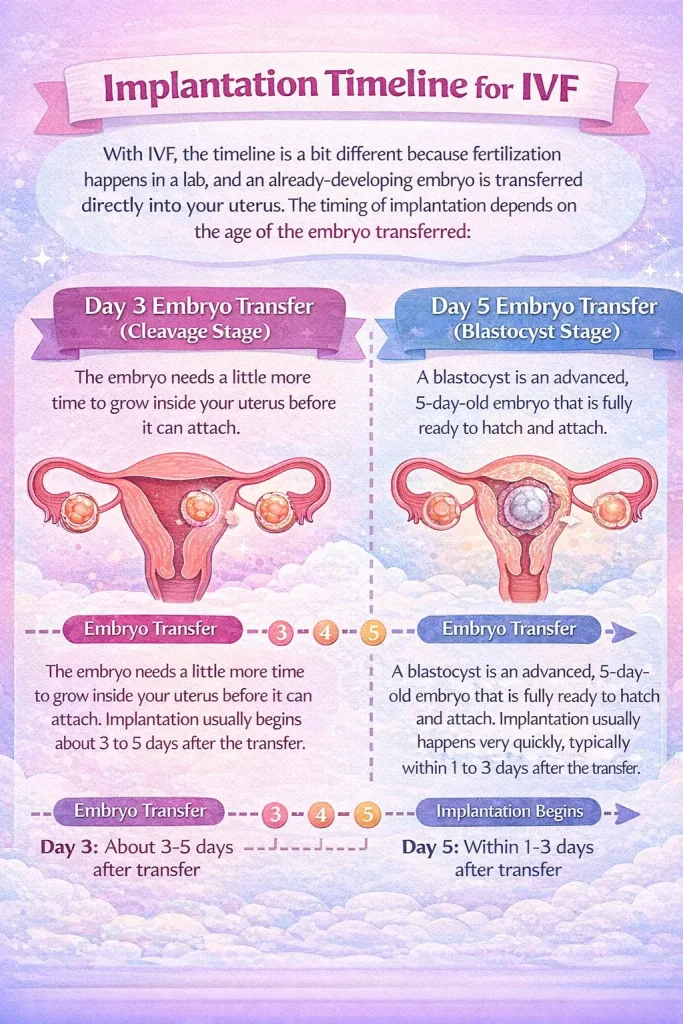
With IVF, the timeline is a bit different because fertilization happens in a lab, and an already-developing embryo is transferred directly into your uterus. The timing of implantation depends on the age of the embryo transferred:
- Day 3 Embryo Transfer (Cleavage Stage): The embryo needs a little more time to grow inside your uterus before it can attach. Implantation usually begins about 3 to 5 days after the transfer.
- Day 5 Embryo Transfer (Blastocyst Stage): A blastocyst is an advanced, 5-day-old embryo that is fully ready to hatch and attach. Implantation usually happens very quickly, typically within 1 to 3 days after the transfer.
Signs of Implantation: What You Might Feel
As the embryo burrows into the uterine lining, some women experience very mild symptoms. However, many women feel absolutely nothing at all—and that is perfectly normal too!
Possible signs include:
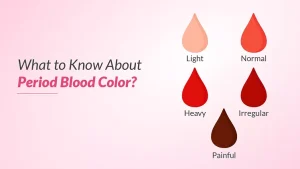
- Implantation Spotting: A few drops of light pink or brown discharge (not heavy like a period).
- Mild Cramping: A light, pulling, or tingling sensation in the lower abdomen.
- Breast Tenderness: Feeling sore or heavy due to rising pregnancy hormones.
Note: The medications prescribed by your Indian fertility specialist (like progesterone supplements) mimic early pregnancy symptoms. Try not to rely on symptoms alone to guess if the procedure worked.
Post-Procedure Side Effects vs. Implantation Bleeding
It is very common to over analyze every symptom during the two-week wait. However, it is important to know the difference between the side effects of the procedure itself and actual signs of pregnancy.
- 1 to 3 Days After IUI/IVF: You might experience mild cramping or very light spotting (pink or brown). This is usually just your cervix reacting to the thin catheter used during the procedure, not implantation.
- 6 to 12 Days After IUI/IVF: If you notice a few drops of light pink or brown spotting during this window, it could be implantation after IUI or IVF. This happens as the embryo connects to the uterine wall.
Note: If you ever experience heavy, bright red bleeding or severe pelvic pain, contact your fertility clinic immediately.
How to Support Implantation Naturally
While you cannot force an embryo to implant, you can create the most welcoming, stress-free environment in your body to improve your chances of success.
- Eat a Nutrient-Rich Diet: Focus on fresh, home-cooked Indian meals rich in lean proteins, green leafy vegetables, and fruits. Avoid highly processed or junk food.
- Stay Hydrated: Drink plenty of water to maintain good blood circulation to your uterus and improve the quality of your uterine lining.
- Rest, But Don’t Stay in Bed: Strict bed rest is actually not recommended by fertility experts. Light, gentle movement like short walks helps boost blood circulation. However, avoid heavy lifting or strenuous gym workouts.
- Manage Stress: The two-week wait is emotionally exhausting. Practice deep breathing (Pranayama), meditation, or reading to keep your mind calm. High stress levels can negatively impact your reproductive hormones.
- Avoid Heat: Skip hot baths, saunas, and heating pads on your stomach during this time, as excessive heat can interfere with early embryo development.
When to Test for Pregnancy
This is the most crucial part. Testing too early is the biggest trap of the two-week wait. Here is why you must wait:
The Danger of the “Trigger Shot” In India, both IUI and IVF cycles often involve an injection (like hCG) to “trigger” ovulation before the procedure. This injection contains the exact same hormone that home pregnancy tests look for. If you take a home urine test too early (e.g., 7 or 8 days after IUI), the test will pick up the leftover trigger shot medicine in your body, giving you a false positive.
The Ideal Time to Test To get an accurate result, you need to wait for the trigger shot to completely leave your system and for the newly implanted embryo to produce enough of its own hCG hormone.
- After IUI: Wait exactly 14 days after your procedure.
- After IVF: Wait 10 to 14 days after your embryo transfer (your doctor will give you an exact date based on whether you had a Day 3 or Day 5 transfer).
Urine Test vs. Blood Test While a home pregnancy kit is convenient, Indian fertility clinics rely on the Beta-hCG blood test. A blood test is far more sensitive and accurate. It not only confirms if you are pregnant but also tells the doctor exactly how much hormone is in your blood, which helps them monitor the health of the early pregnancy.
Summary
Waiting for your pregnancy test results requires an immense amount of patience. Whether you are tracking how long after an IUI does implantation occur or counting the days after an IVF transfer, trust the timeline. Give your body the full 14 days to do its incredible work, take your prescribed medications on time, and consult your doctor for that final, confirming blood test.
Reference
- National Guidelines for Accreditation, Supervision & Regulation of ART Clinics in India – Indian Council of Medical Research (ICMR)
- Good Clinical Practice Recommendations on Infertility – FOGSI (Federation of Obstetric and Gynaecological Societies of India)
- Guidelines on Intrauterine Insemination (IUI) – FOGSI
- Luteal Phase Support in Assisted Reproductive Technology – Journal of Human Reproductive Sciences (JHRS India / NCBI)




















 No need to worry, your data is 100% safe with us!