


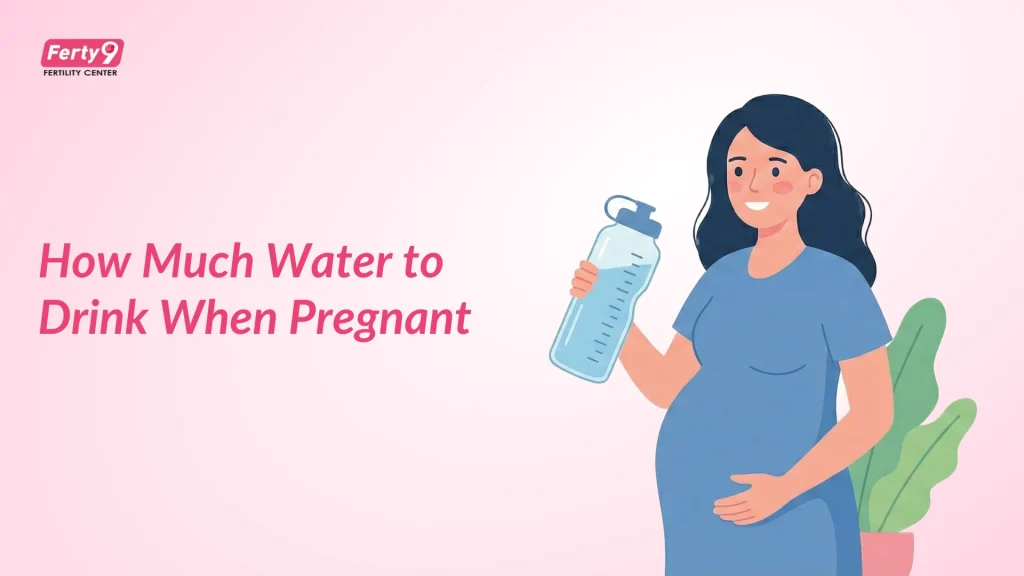
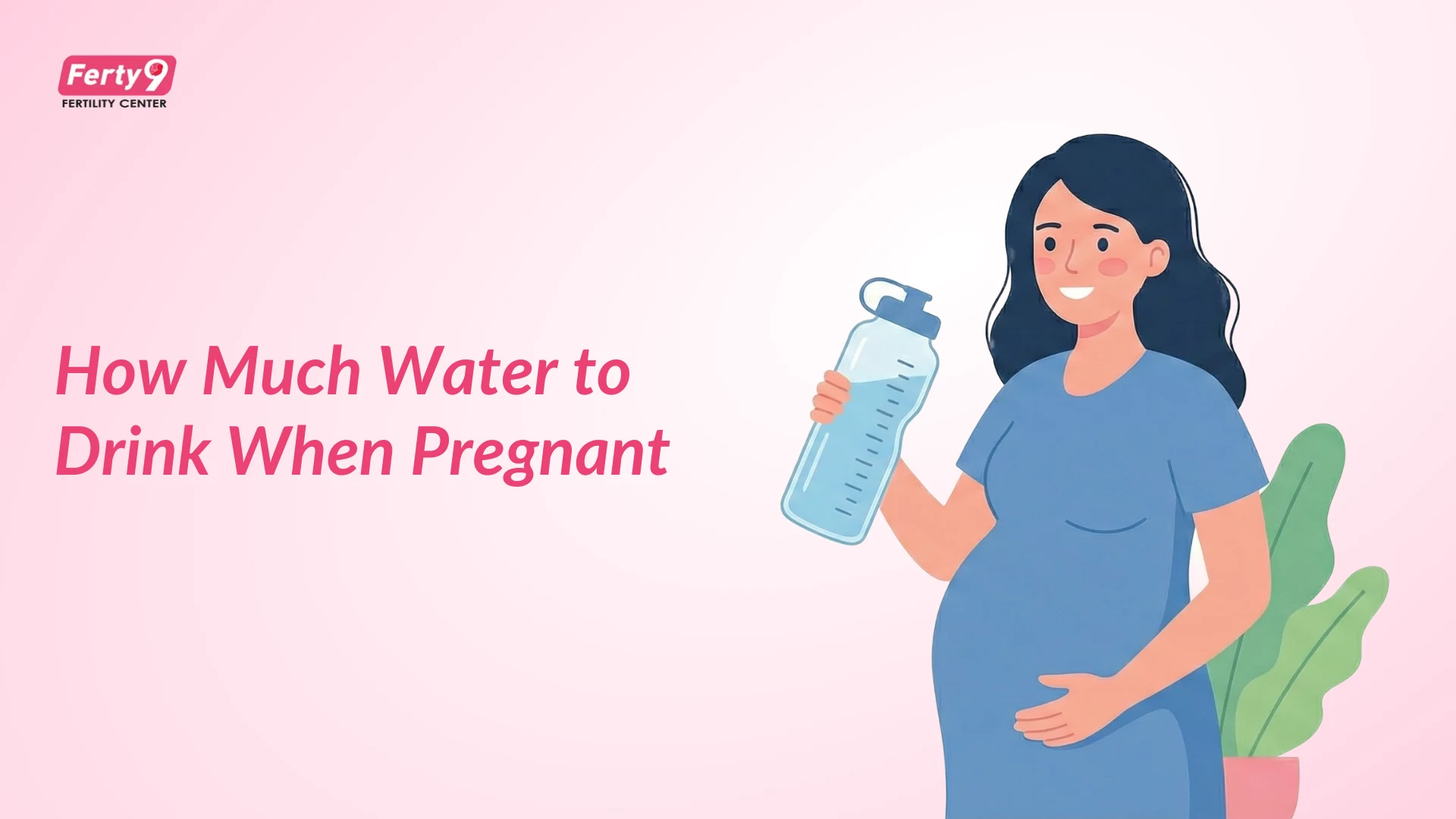
How Much Water Should You Drink When Pregnant?
Pregnancy is a beautiful journey, but it also means your body is working overtime to support a new life. While you might be focusing on eating the right foods and taking your prenatal vitamins, there is one simple, everyday habit that is just as critical: staying hydrated.
In India, where the climate can be incredibly hot and humid, losing fluids through sweat happens quickly. Understanding your daily hydration needs will keep both you and your baby healthy and comfortable. Let’s break down exactly how much water you need and how to naturally achieve your daily goals.
Why is Drinking Water During Pregnancy So Important?
Water is the ultimate transportation system for your body. When you are pregnant, your blood volume increases dramatically—by up to 50%—to supply oxygen and vital nutrients to your growing baby.
Aside from building extra blood, water is essential to form the amniotic fluid, which acts as a protective cushion for your baby inside the womb. Furthermore, staying well-hydrated helps your kidneys flush out the extra waste produced by both you and your baby, significantly reducing your risk of developing painful urinary tract infections (UTIs) and severe constipation, which are very common complaints during pregnancy.
How Many Litres of Water Should a Pregnant Woman Drink Daily?
To keep all these extra biological processes running smoothly, your fluid requirements increase. So, how many litres of water should a pregnant woman drink?
For a normal, healthy pregnancy, you should aim for about 2.5 to 3 litres of fluids every day. This translates to roughly 8-12 standard glasses of water. If you are active, exercise regularly, or spend time outdoors, you may need to drink even more to replace the fluids lost through sweat.
What is the Ideal Water Intake During Pregnancy in Litres During Indian Summers?
India experiences intense summers, and pregnant women are naturally more prone to feeling overheated due to hormonal changes. During the peak summer months, your water intake during pregnancy in litres should be increased by at least 0.5 to 1 litre.
Aiming for 3 to 3.5 litres during hot weather ensures you do not fall into dehydration, which can sometimes trigger early contractions or false labour pains (Braxton Hicks contractions).
How Can You Naturally Increase Your Fluid Intake With Indian Drinks?
You do not have to rely on plain water alone to reach your 3-litre goal. Traditional Indian households offer fantastic, naturally hydrating beverages that provide essential electrolytes and soothe the stomach:
- Tender Coconut Water (Nariyal Pani): An excellent, natural source of electrolytes like potassium and magnesium, which help prevent muscle cramps and keeps you energized.
- Buttermilk (Chaas): A staple in many Indian homes, mildly spiced chaas with roasted cumin helps with digestion, reduces severe acidity, and cools the body.
- Lemon Water (Nimbu Pani): Freshly squeezed lemon water with a pinch of black salt and a little sugar or jaggery provides a quick dose of Vitamin C and helps fight morning sickness.
- Fresh Soups and Broths: Warm lentil (dal) water or mild vegetable broths are deeply nourishing and count toward your daily fluid intake.
Caution: Try to avoid excessive tea or coffee, as caffeine can act as a diuretic (making you urinate more and lose water). Also, avoid unpasteurized street-side sugarcane juice to prevent any risk of waterborne stomach infections.
How Should You Hydrate If You Have Diarrhoea or Severe Morning Sickness?
If you are experiencing frequent vomiting or diarrhoea, your body loses water and essential minerals much faster than normal. In these situations, simply drinking plain water might not be enough. To safely replace the lost salts and sugars, you should sip on an Oral Rehydration Solution (ORS) mixed with clean, boiled water. Taking small, regular sips rather than drinking large glasses at once will help your stomach retain the fluid without triggering more nausea.
What Are the Signs That You Are Not Drinking Enough Water?
Your body will usually give you clear warning signs if you are running low on fluids. You should immediately drink a glass of water if you notice:
- Dark Yellow Urine: Your urine should be pale yellow or almost clear. Dark urine with a strong smell is the most obvious sign of dehydration.
- Frequent Headaches or Dizziness: A lack of water reduces blood flow to the brain, causing sudden headaches or a feeling of light-headedness.
- Extreme Fatigue: While being tired is normal in pregnancy, sudden and severe exhaustion can mean you need more fluids.
- Dry Mouth and Lips: If your skin feels unusually dry or your mouth feels sticky, it is time to hydrate.
Could Extreme Thirst Be a Sign of Gestational Diabetes?
While feeling thirsty is a completely normal part of carrying a baby, an unquenchable, extreme thirst can sometimes be a warning sign. If you feel like no amount of water is enough to satisfy you, and it is paired with the need to urinate very frequently, it could be a symptom of gestational diabetes (high blood sugar during pregnancy). If you notice this happening, mention it to your doctor so they can easily check your blood sugar levels.
Is Fasting Safe While You Are Pregnant?
It is generally recommended to avoid strict fasting during pregnancy, as your baby relies on a continuous supply of nutrients and fluids. In India, where religious fasting is common, going without water for long periods can very quickly lead to severe dehydration and low amniotic fluid levels. If you decide to observe a fast, it is highly important to consult your gynaecologist first to discuss safe ways to modify your routine so that you and your baby remain protected.
When Should You Consult Your Doctor?
If you are struggling to keep water down due to severe morning sickness or vomiting, do not force yourself to drink large amounts at once, as this might make you feel worse. Take small, frequent sips throughout the day. If you find that you cannot keep any fluids down for more than 12 hours, contact your gynaecologist immediately, as you may require IV fluids to protect the baby.
References
How Many Litres of Water Should a Pregnant Woman Drink / Antenatal Hydration Guidelines –
Signs of Dehydration and When to Consult a Doctor –
Naturally Increasing Fluid Intake (Nutrition and Hydration) –
https://www.nhp.gov.in/disease/gynaecology-and-obstetrics
Importance of Water for Amniotic Fluid and Maternal Blood Volume –
https://www.icmr.gov.in/icmrobject/uploads/STWs/Maternal_Health_STW.pdf




















 No need to worry, your data is 100% safe with us!