


If your period has been lighter than usual, you’re probably running through a mental checklist right now: stress, diet, birth control, or something you should actually be worried about. Most of the time, less bleeding during periods comes down to a hormonal shift that’s easy to explain and, in a lot of cases, nothing serious. But there are a few situations where a lighter flow is worth a proper check-up, so here’s a full breakdown of the causes, what’s normal, and when to get it looked at.
What Counts as a Light Period?
Doctors call this hypomenorrhea, though you’ll also see it called a scanty period or scanty menstruation, and it simply means your menstrual blood loss is lower than the typical range. A normal period usually involves 40 to 60 ml of blood loss over 3 to 7 days. A light or scanty period usually means less than 30 ml total, sometimes lasting only a day or two, and can look more like spotting than a full flow.
On its own, a light period isn’t a diagnosis. It’s a symptom, and the cause behind it is what actually matters.
Is It Normal to Have a Light Period Sometimes?
Yes, and this is worth saying clearly because it’s the part most articles skip past. A single light cycle, especially if it happens once and your next period is back to normal, usually isn’t a red flag. Some situations where lighter bleeding is completely expected include:
- Your first few periods. Cycles are often light and irregular for the first couple of years after menstruation starts, simply because ovulation hasn’t settled into a rhythm yet.
- Right after stopping hormonal birth control. Your uterine lining takes a few cycles to build back up to its usual thickness.
- Early pregnancy. Implantation bleeding, which happens when the fertilised egg attaches to the uterine lining, can look like a very light period. It’s usually much shorter and lighter than your normal flow. If there’s any chance you could be pregnant, a pregnancy test is worth doing before assuming it’s just a light cycle. In rare cases, light bleeding alongside one-sided pelvic pain can point to an ectopic pregnancy, which needs urgent medical attention.
- Breastfeeding. Elevated prolactin during breastfeeding often suppresses ovulation, which is why periods can stay light or absent for months after delivery.
- One-off stress or travel. A single stressful month or a big change in routine can shift one cycle without meaning anything is chronically wrong.
If light bleeding becomes your new normal for several cycles in a row, that’s when it’s worth digging into the cause rather than waiting it out.
What Causes Less Bleeding During Periods?
Lighter menstrual bleeding, or scanty menstruation, usually happens because menstrual flow occurs due to a lack of enough oestrogen and progesterone to build up the uterine lining properly, so there’s simply less of it to shed. The reason for less flow in periods can come down to any of the following, and the most common causes of scanty periods include:
Hormonal contraceptives. Birth control pills, hormonal IUDs, and implants thin the uterine lining on purpose. Progestin-only methods in particular reduce endometrial growth, which is why periods on these methods are often lighter or disappear altogether.
Low body weight or excessive exercise. Significant weight loss, restrictive dieting, disordered eating, or intense training can suppress oestrogen production. Without enough oestrogen, the uterine lining doesn’t build up much, so there’s less to shed.
Chronic stress. Ongoing stress raises cortisol, which interferes with the hormonal signals that regulate ovulation. Poor sleep and major lifestyle disruptions can have a similar, usually temporary, effect.
PCOS. Polycystic ovary syndrome disrupts regular ovulation through elevated androgens and insulin resistance. When ovulation doesn’t happen consistently, the uterine lining doesn’t thicken properly, leading to light or unpredictable periods.
Perimenopause. As oestrogen starts fluctuating and gradually declining through your 40s, periods often become lighter and less predictable before stopping altogether at menopause.
Thyroid disorders. Both an underactive and an overactive thyroid can throw off the hormones that regulate your cycle, often resulting in infrequent or light periods.
Asherman’s syndrome. Scar tissue inside the uterus, usually from a previous D&C, infection, or surgery, can physically restrict how much the lining can build up and shed.
Certain medications. Antidepressants, anticoagulants, and some chemotherapy drugs can all affect hormone levels or blood clotting in ways that lighten your flow.
Age at either end of the reproductive years. Alongside perimenopause, the first couple of years after your period starts often bring light, irregular cycles simply because your hormonal rhythm is still settling.
Symptoms That Usually Come With Light Periods
- Bleeding that lasts only 1 to 2 days instead of the usual 3 to 7
- Needing far fewer pads or tampons than normal, or noticing spotting instead of a full flow
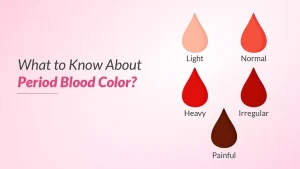
- Flow that looks pale pink or brown rather than the usual red
- Little to no cramping, since lighter shedding usually means less prostaglandin release
- Cycles that arrive earlier, later, or less predictably than usual
- Low energy or fatigue, particularly if oestrogen is running low
Light Period vs Spotting vs a Normal Period
| Normal Period | Light Period | Spotting | |
| Timing | Arrives on schedule | Arrives on schedule | Can happen anytime in the cycle |
| Duration | 3 to 7 days | 1 to 2 days | A few hours to a couple of days |
| Volume | 40 to 60 ml | Under 30 ml | A few drops |
| Colour | Bright to dark red | Pink, brown, or light red | Pink or brown |
| Cramping | Usually present | Mild or absent | Usually absent |
If what you’re experiencing doesn’t line up with the “light period” column, especially if it’s happening outside your expected cycle window, it’s worth mentioning to your doctor as spotting rather than a light period, since the causes can differ.
When to See a Doctor About Light Periods
A single light cycle rarely needs medical attention. See a doctor if:
- Light periods continue for three or more consecutive cycles without an obvious reason, like recently starting birth control
- Your periods stop altogether for three months or more and pregnancy has been ruled out
- Light flow comes with pelvic pain, which can point to Asherman’s syndrome or another uterine issue
- Your cycles become unpredictable in both timing and flow
- You notice other symptoms alongside it, like hot flashes, unexplained weight changes, or pain during sex
- You’re trying to conceive and your periods have been consistently light or infrequent
No Proper Blood Flow During Periods: What to Do
Sometimes it isn’t just a lighter flow, it’s almost no blood flow at all, or a period that starts and then barely shows up. If you’re on your period but there’s no real blood flow, here’s a sensible order of steps:
- Rule out pregnancy first, especially if there’s any chance of it, since implantation bleeding or early pregnancy can look like a period that never properly starts.
- Check what’s changed recently. New birth control, a big shift in weight, a new medication, or a stretch of high stress are the most common reasons for a sudden drop in flow.
- Give it one more cycle before assuming something’s wrong. A single cycle with almost no bleeding is often a one-off, particularly around ovulation irregularities.
- Track it. Note the date, how light it was, and anything else going on, so you have real information if you do need to see a doctor.
- See a doctor if it repeats. If you have little to no blood flow for two or more cycles in a row, or periods stop entirely without pregnancy, it’s worth getting hormone levels and a pelvic ultrasound checked rather than waiting it out indefinitely.
A bloodless period, meaning a cycle where you get the usual signs of a period (cramping, mood changes, bloating) without any real bleeding, is usually still linked to the same hormonal causes above rather than a separate condition on its own.
How Doctors Diagnose and Treat Light Periods
Initial evaluation. Your doctor will usually start with your menstrual history, lifestyle, stress levels, and any medications you’re on, followed by blood tests for oestrogen, progesterone, thyroid hormones, and prolactin. A pelvic ultrasound may be done to check the uterus and ovaries, and a hysteroscopy can help spot scar tissue if Asherman’s syndrome is suspected.
Treatment depends on the cause. Hormonal treatment, such as oral contraceptives or progestins, can help regulate the cycle if the lining isn’t building up properly. Thyroid disorders, PCOS, or anaemia are treated with condition-specific medication. If you’re trying to conceive, ovulation-inducing medication or assisted reproductive options may come into the picture. Where lifestyle factors like low weight, over-exercising, or chronic stress are behind it, restoring a healthier balance is often enough to bring your cycle back to normal over a few months.
Lifestyle Habits That Support a Healthy Cycle
- Eat enough, consistently. Under-eating, even without an obvious eating disorder, is one of the most common reversible causes of light or missed periods.
- Balance exercise with recovery. Intense training without enough recovery and calorie intake can suppress ovulation over time.
- Manage stress where you can. This doesn’t have to mean eliminating stress, just building in small buffers like consistent sleep and downtime.
- Track your cycle. A period tracking app or a simple calendar note makes it much easier to spot a genuine pattern versus a one-off light month, and gives your doctor useful information if you do need to be evaluated.
- Get enough sleep. Poor sleep affects cortisol and the hormones that regulate ovulation, so consistent sleep does more for your cycle than most people expect.
Myths vs Facts About Light Periods
| Myth | Fact |
| A light period always means something is wrong | Many light cycles are perfectly normal, especially during the first years of menstruation, after stopping birth control, or while breastfeeding |
| Light periods and spotting are the same thing | They differ in timing, duration, and cause; spotting happens outside the expected cycle window while a light period arrives on schedule |
| Stopping birth control immediately fixes light periods | It can take a few months for your natural cycle to regulate again after stopping hormonal contraception |
| Light periods have no effect on fertility | Persistently light periods can signal anovulation or low oestrogen, which can affect your chances of conceiving |
| Only older women get light periods | Light periods are common at both ends of the reproductive years, in the first cycles after puberty and again during perimenopause |
Final Word
A light period is usually your body’s way of signalling a hormonal shift, and in a lot of cases, that shift is temporary, expected, or easy to correct through lifestyle changes. The causes worth paying closer attention to are the ones that stick around: PCOS, thyroid issues, Asherman’s syndrome, or ongoing low oestrogen from stress or under-eating. If your flow has stayed light for more than a couple of cycles, or you’re noticing other changes alongside it, getting it checked early makes it easier to catch and treat the underlying cause.
FAQs: Light Periods and Less Bleeding
Is a light period different from spotting?
Yes. A light period arrives at the expected time and lasts a day or two with a consistent, if minimal, flow. Spotting is irregular, often pink or brown, and shows up outside your normal cycle window.
Do light periods affect fertility?
They can. Persistently light periods may point to low oestrogen, poor endometrial development, or anovulation, all of which can lower the chances of implantation, particularly if linked to PCOS or a thyroid disorder.
Can stress alone cause a light period?
Yes. Chronic stress raises cortisol, which can suppress the hormonal signals that regulate ovulation. This can thin the uterine lining enough to reduce your flow, even without any other underlying condition.
Can a light period be an early sign of pregnancy?
Sometimes. Light bleeding around your expected period could be implantation bleeding, which happens roughly 6 to 12 days after ovulation. It’s usually brief and much lighter than a true period, and doesn’t get progressively heavier the way a period does.
Does stopping birth control fix light periods right away?
Not immediately. After stopping hormonal contraception, your cycle can stay light or irregular for a few months while your natural hormone regulation kicks back in.
Is it normal for periods to be light during the teenage years?
Yes, occasional light periods are common in the first couple of years after menstruation begins. If it continues well beyond that or comes with other symptoms, it’s worth getting checked.
Are light periods a sign of perimenopause?
Yes. Fluctuating and declining oestrogen during perimenopause often thins the uterine lining, which shows up as lighter, shorter, or less predictable periods.
Can being underweight cause light periods?
Yes. Low body weight, restrictive dieting, or intense exercise can suppress oestrogen enough to reduce how much the uterine lining builds up each cycle, resulting in a lighter flow.
When should I actually worry about a light period?
If it continues for three or more cycles without an obvious cause, comes with pelvic pain, or you’re trying to conceive and notice it consistently, it’s time to see a doctor rather than wait it out.
What does a scanty period mean?
Scanty period, or scanty menstruation, is another name for a light period, medically called hypomenorrhea. It means your flow is noticeably lower in volume than your usual cycle, often under 30 ml, and it points to the same range of hormonal or lifestyle causes as any other light period.
What should I do if I have no proper blood flow during periods?
Start by ruling out pregnancy, then think about anything that’s changed recently, like new birth control, weight changes, or added stress. A single light or near-absent cycle is often not a concern, but if it happens two cycles in a row, it’s worth getting your hormone levels checked.
Why is my period so light this month?
A single light month is usually explained by something short-term: added stress, travel, poor sleep, a change in weight, or a missed or delayed ovulation that cycle. If your next period returns to normal, it typically isn’t something to worry about.

















 No need to worry, your data is 100% safe with us!