



What are the real odds of IVF after 40?
Undergoing IVF after 40 is clinically viable for many women, but outcomes vary substantially based on biological parameters. The single most decisive factor is whether you use your own autologous eggs or donor eggs from a younger woman. The second critical factor is your exact chronological age, because biological fertility differs significantly between age 40, age 42, and age 44.
To understand the baseline realities: when attempting IVF after 40 with your own eggs, roughly one in seven women who begins a cycle will achieve a live birth across all attempts. By age 42, that figure drops closer to one in ten. Beyond age 45, the probability of a live birth using autologous eggs becomes statistically negligible.
These statistics are often lower than promotional website figures, because commercial advertisements frequently cite success rates per embryo transfer while ignoring women who experienced cycle cancellation. The following sections explore recent Indian clinical data, biological mechanisms, and therapeutic strategies that realistically impact your odds.
IVF success rate after 40: Real chances and statistics (1,088 Indian women)
A landmark Indian multicenter study published in the Journal of Human Reproductive Sciences (Prasad et al., 2026) provides direct insight into the realistic IVF success rate after 40 for women undergoing autologous treatment. The researchers followed 1,088 Indian women (mean age 41.6 years) across fertility centers in Bengaluru, Mumbai, Delhi, and Kolkata between 2019 and 2023. All women in this cohort used their own eggs.
The findings reveal the clinical attrition that occurs between initial ovarian stimulation and take-home baby rates, illustrating why the cumulative IVF success rate after 40 is shaped by progressive drop-offs at each treatment stage:
| Treatment Milestone | Proportion of Women Reaching Stage | Clinical Reality & Attrition Driver |
| Initiated Cycle (Cycle Started) | 100.0% | Baseline ovarian stimulation with gonadotropins initiated |
| Reached Embryo Formation | 69.7% | 30.3% drop-off due to poor ovarian response, empty follicles, or fertilization failure |
| Reached Embryo Transfer | 62.2% | 37.8% of women never reach transfer due to embryonic developmental arrest or total aneuploidy |
| Achieved Clinical Pregnancy | 17.9% | Implantation confirmed via ultrasound detection of fetal gestational sac |
| Miscarriage Rate | 40.0% of pregnancies | High embryonic aneuploidy rates (>70%) lead to early pregnancy loss |
| Cumulative Live Birth Rate | 10.8% overall | The realistic proportion of women who took home a baby across all autologous cycles |
When analyzed by exact chronological age, the cumulative IVF success rate after 40 dropped sharply per completed cycle:
Age 40: 14.4% cumulative live birth rate per woman across all completed cycles.
Age 42: 9.6% cumulative live birth rate per woman.
Beyond Age 45: Negligible live birth rates despite multiple stimulation cycles.
Beyond Age 47: 0% live birth rate with autologous eggs in this 1,088 patient cohort.
The authors concluded that while autologous IVF after 40 remains a legitimate option at ages 40 to 42 for properly counseled patients, live birth rates beyond 45 are negligible. Transparently understanding these benchmarks allows couples to plan their emotional and financial investments wisely.
Why ‘success rate’ is usually the wrong number (Per cycle vs. per transfer)
When evaluating fertility clinics, the reported success rate depends entirely on which denominator is used. In reproductive medicine, clinics present data in three distinct ways:
- Per Embryo Transfer: The percentage of embryo transfer procedures resulting in a live birth. This is almost always the highest percentage figure and is the number most commonly highlighted in advertising. However, it completely excludes all women whose cycles were canceled due to zero egg recovery or failed embryo development.
- Per Cycle Started: The percentage of started stimulation cycles resulting in a live birth. This includes cycles canceled prior to retrieval or transfer.
- Cumulative Live Birth Rate (CLBR) Per Woman: The proportion of women who achieve a live birth after completing all fresh and frozen embryo transfers resulting from one or more stimulation cycles. This is the most clinically meaningful metric for patient decision-making.
Referring back to the 1,088 Indian women cohort: only 62.2% of women ever reached an embryo transfer. Nearly four in ten women (37.8%) dropped out before transfer occurred because no eggs were retrieved, fertilization failed, or embryos arrested. Quoting success per embryo transfer removes those women from the equation, giving a falsely optimistic impression.
As noted by the authors in the Journal of Human Reproductive Sciences, quoting success per transfer in women over 40 can be misleading. Cumulative live birth rate per woman provides the most reliable metric for clinical counseling. When consulting any fertility center, always ask: ‘Of every 100 women my exact age who started an IVF cycle here with their own eggs, how many took home a baby?’
Own eggs vs donor eggs after 40: The decisive clinical crossroad
When planning fertility treatment, the most profound decision facing women is weighing own eggs vs donor eggs after 40. Understanding the biological difference between these two pathways is vital for setting realistic expectations:
With autologous (own) eggs, success rates decline steeply year by year after age 40. This decline is not primarily driven by the uterus, but by age-related cellular and chromosomal attrition in the oocytes. Research demonstrates that when chromosomally normal (euploid) embryos are transferred, implantation and live birth rates remain comparable between autologous and donor cycles. The uterine endometrium remains receptive to implantation well into a woman’s late 40s and early 50s.
With donor eggs from a healthy, young screened donor (typically under age 30), IVF success rates jump to approximately 50% to 60% per cycle, and cumulative success rates after two to three transfers exceed 75% to 80%.
| Maternal Age | Cumulative Live Birth (Own Eggs) | Cumulative Live Birth (Donor Eggs) | Clinical Strategy & Recommendation |
| Age 40 | 14.4% | 55% – 60% | Own-egg attempt viable; consider embryo accumulation banking |
| Age 41 | 12.0% | 55% – 60% | Time-sensitive autologous cycle; evaluate baseline AFC and AMH |
| Age 42 | 9.6% | 55% – 60% | Realistic autologous limit; for women attempting IVF at 42 with own eggs, prepare for possible cycle cancellation |
| Age 43 | 5.0% – 7.0% | 50% – 55% | Autologous success low; explore donor egg transition early |
| Age 44 | 2.0% – 4.0% | 50% – 55% | Donor eggs strongly recommended to achieve realistic live birth |
| Age 45+ | < 1.0% (Negligible) | 50% – 55% | Autologous cycles clinically discouraged; donor eggs primary pathway |
Choosing donor eggs is not a failure or a compromise. When evaluating own eggs vs donor eggs after 40, particularly for women aged 42 and older, donor eggs represent the most effective medical pathway to carrying a healthy pregnancy and building a family. Donor egg IVF in India is strictly regulated under the Assisted Reproductive Technology (Regulation) Act, 2021, ensuring comprehensive genetic, medical, and psychological screening of all egg donors.
Why age affects fertility: Chromosomal non-disjunction and egg quality
The decline in female fertility with age is biological and structural. Females are born with their lifetime complement of primary oocytes, arrested in the dictyate stage of prophase I of meiosis. These eggs age alongside the individual over four decades.
As oocytes age, key molecular mechanisms deteriorate:
- Meiotic Spindle Instability & Cohesin Deterioration: The protein complexes (cohesins) responsible for holding chromatids together during cell division degrade over time. During ovulation and fertilization, chromosomes often segregate incorrectly (meiotic non-disjunction). In women over 40, between 60% and 80% of retrieved eggs are aneuploid (carrying an abnormal number of chromosomes, such as trisomy or monosomy).
- Mitochondrial Dysfunction & Low ATP Production: Oocyte mitochondria supply the adenosine triphosphate (ATP) energy required for fertilization, pronuclear fusion, and early mitotic cell division. Aging oocytes exhibit reduced mitochondrial membrane potential and increased mitochondrial DNA deletions, starving the developing embryo of cellular energy.
- High Miscarriage Rates: Most aneuploid embryos arrest before implantation or fail to develop beyond 6 to 8 weeks. This explains why the miscarriage rate in the Indian cohort was 40%: early pregnancy loss in older women is primarily an inevitable biological consequence of chromosomal non-viability.
This biological reality clarifies a common point of confusion: many women over 40 experience regular menstrual cycles, ovulate monthly, and feel healthy, yet experience difficulty conceiving. Regular ovulation confirms that an oocyte is being released, but it provides no information about that egg’s chromosomal normality.
What genuinely improves the odds during IVF after 40
In advanced reproductive care, distinguishing between scientifically proven interventions and commercial marketing is essential for patient protection. To maximize the chances of IVF after 40, clinical evidence supports several key strategies:
- Avoiding Unnecessary Delays: Time is the most critical prognostic variable. The difference between initiating treatment at 40.0 years versus 41.5 years corresponds to a notable drop in live birth probability. If you are deciding whether to pursue IVF, chronological age is the most influential factor within your control.
- Individualized Controlled Ovarian Stimulation: Protocol customization (such as microdose flare or antagonist protocols paired with recombinant LH and FSH) aims to maximize mature oocyte yield without inducing follicular luteinization.
- Embryo Accumulation (Banking): Collecting and vitrifying embryos across consecutive stimulation cycles before proceeding to transfer improves cumulative success rates in poor ovarian responders.
- Pre-Conceptional Medical Optimization: Screening and optimizing thyroid function (TSH < 2.5 mIU/L), managing insulin resistance, achieving optimal BMI, and stopping tobacco use improve maternal safety and pregnancy tolerance, though they cannot reverse chromosomal aging in oocytes.
To evaluate individual prognostic odds accurately, fertility specialists measure baseline ovarian reserve using serum Anti-Mullerian Hormone (AMH) and transvaginal ultrasound Antral Follicle Count (AFC). The following clinical benchmark table illustrates typical ovarian reserve categories for women aged 40 and above:
| Ovarian Reserve Tier | Typical Serum AMH Level | Antral Follicle Count (AFC) | Clinical Interpretation & IVF Strategy |
| Low / Severely Diminished | < 0.5 ng/mL | < 4 follicles | High cycle cancellation risk; consecutive embryo banking or donor egg counseling recommended |
| Expected / Average for Age 40 | 0.5 to 1.2 ng/mL | 4 to 7 follicles | Viable candidate for autologous IVF; individualized antagonist protocol recommended |
| Robust / Favorable for Age 40+ | > 1.2 ng/mL | 8+ follicles | Favorable autologous prognosis; higher mature oocyte yield per stimulation cycle expected |
Does PGT-A testing after 40 improve your chances of a live birth?
Preimplantation Genetic Testing for Aneuploidy, or PGT-A testing after 40, is widely discussed as a method to screen embryos before transfer. Understanding what PGT-A can and cannot achieve is essential before committing to the procedure:
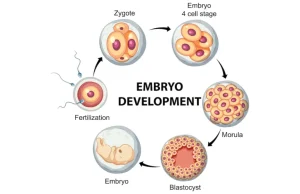
PGT-A involves biopsying 5 to 10 trophectoderm cells from a day-5 or day-6 blastocyst and performing Next-Generation Sequencing (NGS) to evaluate chromosomal count. At the level of a single embryo transfer, transferring a tested euploid embryo significantly shortens the time to pregnancy and reduces miscarriage rates.
However, PGT-A testing after 40 does not create genetically normal embryos. In a comprehensive systematic review published in Cureus (Belal et al., 2026) evaluating 7,537 patients across eight clinical studies, transferring a euploid embryo improved implantation rates, but maternal age continued to negatively impact live birth in women aged 38 and above. Even when a verified euploid embryo was transferred in women over 40, miscarriage rates reached up to 22.6%, reflecting age-related cytoplasmic and uterine factors.
Furthermore, a scoping review in Frontiers in Endocrinology (Dabuleanu Cretu et al., 2026) highlighted that while PGT-A has clear utility in couples with recurrent pregnancy loss, its impact on Cumulative Live Birth Rate (CLBR) in women with diminished ovarian reserve remains equivocal. If a woman only produces one or two blastocysts, biopsy carries costs and a small risk of mosaic embryo discard without increasing the total biological pool of viable embryos. In summary: PGT-A testing after 40 is an effective embryo selection tool that reduces failed transfers, but it does not improve overall cumulative live birth rates.
Embryo accumulation (Banking) protocols: Evidence for poor responders
Women undertaking IVF after 40 frequently produce small cohorts of eggs (1 to 4 oocytes) per stimulation cycle. Rather than transferring an embryo immediately, reproductive specialists often recommend embryo accumulation (banking) across consecutive cycles.
A major cohort study published in Frontiers in Endocrinology (Cao et al., 2026) evaluated 970 older women undergoing IVF/ICSI. After propensity-score matching of 299 patient pairs, women who underwent two or more consecutive stimulation cycles with embryo banking achieved a significantly higher cumulative live birth rate compared to those who transferred embryos after a single cycle (adjusted Odds Ratio 2.47). Miscarriage rates did not differ between the groups.
A key technological advance in embryo accumulation is the Double Stimulation (DuoStim / Shanghai) protocol. In standard IVF, ovarian stimulation occurs solely during the follicular phase, requiring a woman to wait for her next menstrual period before beginning another cycle. DuoStim challenges this traditional model by administering a second round of ovarian stimulation during the luteal phase, just days after the first egg retrieval within the same menstrual cycle. For women aged 40 and above facing rapid biological attrition, DuoStim allows two egg retrievals in less than 28 days, maximizing the number of vitrified embryos in the shortest possible timeframe.
While embryo accumulation involves additional stimulation cycles and financial investment, it provides a realistic clinical strategy for women with diminished ovarian reserve who wish to maximize their autologous chances before moving to donor gametes.
Legal IVF age limit in India: Regulations under the ART Act 2021
Couples pursuing fertility treatment must understand the regulatory framework and legal IVF age limit in India established by the Assisted Reproductive Technology (Regulation) Act, 2021:
- Female Age Limit: Under Section 21(g) of the ART Act 2021, the legal IVF age limit in India for women is set at 50 years. Clinics cannot initiate treatment for women who have crossed their 50th birthday.
- Male Age Limit: The corresponding legal upper age limit for the male commissioning partner is 55 years.
- Egg Donor Age Regulations: The law mandates that an oocyte donor must be an ever-married woman aged between 23 and 35 years who has at least one living child of her own. Donors can donate oocytes only once in their lifetime, ensuring rigorous health and ethical safeguards.
- Mandatory Pre-Treatment Health Evaluation: Because advanced maternal age carries increased obstetric risks (preeclampsia, gestational diabetes, placental abruption, and preterm labor), clinics perform thorough pre-conceptional medical clearance, including cardiovascular screening and metabolic testing prior to starting treatment.
Is 40 too late for IVF? An age-by-age honest appraisal (40, 42, 44, 45+)
Patients frequently ask: ‘Is 40 too late for IVF?’ The clinical answer requires a candid, age-stratified perspective based on biological ovarian reserve and live birth data:
- At Age 40: Is 40 too late for IVF? No, it is not too late. Roughly 14.4% of women achieve a live birth with their own eggs per completed cycle, and cumulative rates increase with consecutive embryo banking. It represents a reasonable, legitimate medical attempt if a couple is financially and emotionally prepared.
- At Age 42: For women exploring IVF at 42 with own eggs, live birth rates drop to approximately 9.6%. A real chance exists, but expectations must be managed carefully. A clear discussion regarding cycle limits and donor egg contingencies should occur prior to starting.
- At Age 44: Live birth rates with autologous eggs drop to 2% to 4%. At this stage, fertility specialists discuss donor eggs openly, because donor egg IVF offers a 50% to 55% success probability compared to single-digit autologous odds.
- Beyond Age 45: Live birth rates with autologous eggs approach zero (<1%). Clinics adhering to international guidelines counsel women against repeated autologous stimulation cycles, recommending donor eggs as the definitive biological pathway to live birth.
How to decide how many IVF cycles to attempt?
Deciding how many cycles to attempt during IVF after 40 is one of the most challenging aspects of fertility care. A structured decision-making framework helps couples navigate this process:
- Establish Boundaries in Advance: Agree on financial and emotional limits before initiating the first stimulation cycle. Following an unsuccessful cycle, acute grief makes objective decision-making difficult.
- Evaluate Cycle Morphokinetics: Analyze specific biological markers from your completed cycle: How many mature MII oocytes were retrieved? What was the fertilization rate? How many embryos developed into blastocysts by Day 5? These metrics provide far more predictive information for subsequent cycles than general population averages.
- Define a Review Point: Rather than fixing a rigid number of cycles, establish a formal review milestone (for instance, after two egg retrievals). If a cycle yields zero blastocysts or all embryos arrest, this provides critical information regarding oocyte viability.
- Budget for Multiple Cycles: In women over 40, achieving a live birth with autologous eggs frequently requires two or three stimulation cycles. Financial planning should account for this possibility from the outset.
Common Patient Myths vs. Clinical Realities in IVF after 40
Misconceptions regarding IVF after 40 cause unnecessary delay and distress. The following table contrasts prevalent patient myths with clinical evidence:
| Common Patient Myth | Clinical Reality | Medical Science & Evidence |
| Myth 1: ‘A high AMH level means my egg quality is healthy at age 42.’ | Reality: AMH reflects the quantity of remaining follicles, not their chromosomal quality. | Evidence: Clinical studies show oocyte aneuploidy rates exceed 70% in women over 40 regardless of baseline AMH concentration. |
| Myth 2: ‘PGT-A testing will increase the number of healthy embryos I create.’ | Reality: PGT-A is a diagnostic selection tool, not a therapeutic enhancement. | Evidence: Systematic reviews (Belal et al. 2026) confirm PGT-A does not alter embryo genetics or improve cumulative live birth rates. |
| Myth 3: ‘Mini-IVF or natural cycle IVF produces better quality eggs in older women.’ | Reality: Low-dose stimulation yields fewer eggs without improving individual oocyte genetic normality. | Evidence: Large registry data show lower cumulative live birth rates with natural or mini-IVF due to limited blastocyst availability. |
| Myth 4: ‘Taking high-dose CoQ10 and DHEA will reverse ovarian aging.’ | Reality: Supplements support cellular energy metabolism but cannot repair deteriorated meiotic spindle cohesins. | Evidence: No clinical trial demonstrates that supplements restore youthful chromosomal division in women over 40. |
| Myth 5: ‘Using donor eggs means the baby will share no biological connection with the mother.’ | Reality: The gestational mother supports intrauterine development, epigenetics, and biological bonding through pregnancy. | Evidence: Epigenetic microRNA exchange between the maternal endometrium and developing embryo influences gene expression. |
| Considering IVF After 40? Get Clear, Transparent Guidance Navigating fertility treatment after 40 requires clinical accuracy, transparent data, and compassionate care. At Ferty9 Fertility Center, our senior reproductive medicine specialists provide comprehensive ovarian reserve evaluations, advanced PGT-A technology, individualized stimulation protocols, and transparent donor egg programs with complete clinical integrity. Schedule a confidential fertility consultation at your nearest Ferty9 clinic today. |
Frequently Asked Questions
What is the IVF success rate after 40 in India?
In a multicenter study of 1,088 Indian women aged 40 and above published in the Journal of Human Reproductive Sciences (2026), the cumulative IVF success rate after 40 using autologous eggs was 14.4% at age 40 and 9.6% at age 42. Rates quoted per embryo transfer are typically higher because they exclude canceled cycles.
Can I do IVF at 42 with own eggs?
Yes, you can do IVF at 42 with own eggs if your baseline ovarian reserve is sufficient. However, cumulative live birth rates for IVF at 42 with own eggs average approximately 9.6% per started cycle, and miscarriage rates exceed 40%. A thorough evaluation of ovarian reserve (AMH and Antral Follicle Count) is recommended before initiating treatment.
Does PGT-A testing after 40 improve my chances of pregnancy?
PGT-A testing after 40 helps select chromosomally normal (euploid) embryos, significantly reducing the risk of failed embryo transfers and miscarriages. However, it does not alter embryo genetics or increase the total number of viable embryos produced. In women with very low egg numbers, PGT-A utility is evaluated individually.
Why is the miscarriage rate higher after 40?
In women over 40, more than 70% of retrieved oocytes carry chromosomal abnormalities (aneuploidies) due to age-related meiotic spindle deterioration. When an aneuploid embryo implants, the body frequently miscarries naturally during early gestation.
How many cycles should I expect for IVF after 40?
For women pursuing IVF after 40 with autologous eggs, achieving a live birth frequently requires two or three stimulation cycles, often utilizing embryo accumulation (banking) strategies. Agreeing on cycle limits and review milestones beforehand is recommended.
Own eggs vs donor eggs after 40: Which offers higher success?
When comparing own eggs vs donor eggs after 40, donor egg IVF offers significantly higher success rates, ranging between 50% and 60% per cycle, and is largely independent of maternal age. Because eggs originate from young, screened donors under 30, embryo quality and live birth rates remain high.
Can I get pregnant naturally at age 42?
Natural conception at 42 is biologically possible but statistically uncommon, with monthly conception probabilities under 3% to 5%. If you are 40 or older and have attempted to conceive for six months without success, prompt reproductive evaluation is advised.
Does mini-IVF work better than standard IVF for older women?
There is no clinical evidence demonstrating that mild or mini-IVF produces superior quality eggs in women over 40. Standard personalized protocols aimed at recruiting all available antral follicles typically yield higher cumulative live birth rates.
Is pregnancy after 40 safe for the mother?
While IVF itself is a safe medical procedure, pregnancy after 40 carries higher risks of gestational hypertension, preeclampsia, gestational diabetes, and cesarean delivery. Pre-conceptional screening and specialized maternal-fetal monitoring help mitigate these risks.
What is the legal IVF age limit in India?
Under India’s Assisted Reproductive Technology (Regulation) Act, 2021, the legal IVF age limit in India for women undergoing ART procedures is 50 years. For the male commissioning partner, the legal upper age limit is 55 years.
References
All scientific studies cited in this clinical guide are peer-reviewed and indexed in the National Library of Medicine (PubMed). Live URLs and DOIs are provided below for editorial verification and immediate web linking:
1. Prasad P, Shetty S, Malik S, Gutgutia R. “Evaluating the Cumulative Live Birth Rate in Autologous In Vitro Fertilization Cycles in Women Aged 40 Years and Above: A Retrospective Study.” Journal of Human Reproductive Sciences. 2026;19(2):127-133. PMID: 42549351.
PubMed URL: https://pubmed.ncbi.nlm.nih.gov/42549351/ | DOI: https://doi.org/10.4103/jhrs.jhrs_334_25
2. Dabuleanu Cretu AM, Ilie OD, Maftei R, Doroftei M, Doroftei B. “Mapping the evidence and research gaps on preimplantation genetic testing for aneuploidy in recurrent implantation failure: a scoping review.” Frontiers in Endocrinology. 2026;17:1872860. PMID: 42577078.
PubMed URL: https://pubmed.ncbi.nlm.nih.gov/42577078/ | DOI: https://doi.org/10.3389/fendo.2026.1872860
3. Belal RE, Majzoub Karamalla SB, Kheiry S, Mohamed Mostafa Gamea RE, Saeed Alatam SS, Elagab EA. “Impact of Euploid Embryo Transfer and Maternal Age on Implantation Outcomes in In Vitro Fertilization-Embryo Transfer (IVF-ET): A Systematic Review.” Cureus. 2026;18(5):e109784. PMID: 42367428.
PubMed URL: https://pubmed.ncbi.nlm.nih.gov/42367428/ | DOI: https://doi.org/10.7759/cureus.109784
4. Cao M, Wang Y, Zhou L, Xing K, Li H, Liu Y, et al. “Accumulation of embryos to improve outcomes in advanced-age women undergoing IVF/ICSI cycles: a retrospective cohort study.” Frontiers in Endocrinology. 2026;17:1859978. PMID: 42483675.
PubMed URL: https://pubmed.ncbi.nlm.nih.gov/42483675/ | DOI: https://doi.org/10.3389/fendo.2026.1859978


















 No need to worry, your data is 100% safe with us!