



What Happens After IUI Day by Day?
Congratulations on completing your IUI (Intrauterine Insemination) procedure! You have taken a big step toward your dream of parenthood. But now comes the hardest part: The Two-Week Wait (2WW).
It is completely normal to analyse every little cramp, spot, or mood swing during this time. “Is this implantation?” “Did the procedure work?” “Why do I feel nothing?”
At Ferty9 Fertility Centre, we want to replace your anxiety with information. Here is a simple, day-by-day breakdown of what is happening inside your body after an IUI procedure, along with tips to care for yourself during this crucial time.
The First 24 Hours: The Meeting
Day 0 (The Day of IUI)
Once the Processed Sperm (washed sperm) is placed inside your uterus, the race begins! The sperm will swim toward your fallopian tubes to meet the egg.
- What you might feel: Mild cramping or light spotting is very common today. This is usually from the catheter passing through the cervix, not from pregnancy yet.
- Ferty9 Tip: You don’t need strict bed rest. Rest for 20–30 minutes at the clinic, then go home and relax. You can return to work the next day.
Day 1 to 2: Fertilization
If the timing was perfect (and we ensure it is!), the sperm meets the egg in the fallopian tube. If a sperm successfully penetrates the egg, fertilization happens.
- What you might feel: You likely won’t feel anything different yet. Any bloating or tenderness you feel now is probably a side effect of the ovulation-trigger injection (HCG shot) or medications.
Days 3 to 5: The Journey
Day 3 to 5: Travelling to the Uterus. The fertilized egg (now called an embryo) begins a slow journey down the fallopian tube toward the uterus. It is dividing and growing rapidly during this trip.
- What you might feel: Your progesterone levels are rising. You might feel “Progesterone Symptoms” which can mimic early pregnancy:
- Mild fatigue.
- Bloating or constipation.
- Breast tenderness.
- Important: Don’t panic if you feel nothing. Many women have zero symptoms at this stage and still get a positive result.
Days 6 to 10: The Critical Window
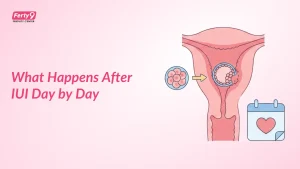
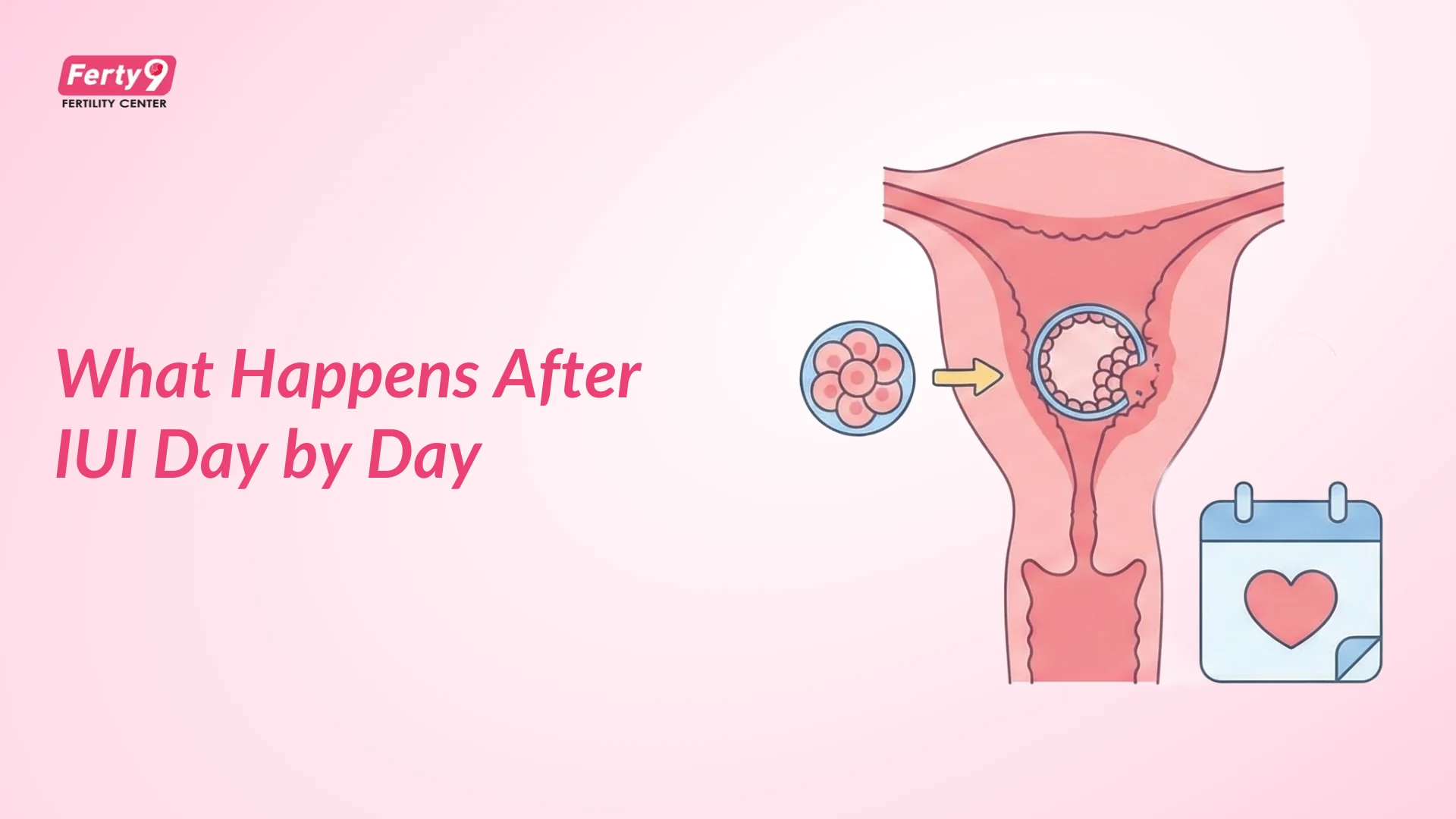
Day 6 to 10: Implantation. This is the “magic moment.” The embryo reaches the uterus and tries to attach itself to the uterine lining (endometrium). This is called Implantation.
- What you might feel:
- Implantation Bleeding: You might see a few drops of pink or brown spotting on your underwear. This is lighter than a period and stops quickly.
- Implantation Cramps: Some women feel a light pulling or pricking sensation in the lower belly.
- Note: Only about 30% of women experience implantation bleeding. If you don’t see it, it doesn’t mean the cycle failed!
Days 11 to 14: The Home Stretch
Day 11 to 13: Hormones Rise If implantation was successful, your body starts producing the pregnancy hormone hCG (Human Chorionic Gonadotropin). It takes a few days for this hormone to build up high enough to be detected.
- What you might feel:
- Increased need to urinate.
- Darkening of the areolas (area around nipples).
- Heightened sense of smell or metallic taste in the mouth.
- Nausea (morning sickness) might start for some, but it’s often too early.
Day 14: The Test Day This is the day we have been waiting for!
- What to do: Do not test before Day 14. Testing too early can give a False Negative (you are pregnant, but hormone levels are too low) or a False Positive (traces of the trigger shot are still in your system).
- Ferty9 Advice: We recommend a Beta-hCG blood test at our center for the most accurate result, rather than relying solely on a home urine kit.
Dos and Don’ts During the Two-Week Wait
To support your body during this timeline, follow these simple Indian-friendly care tips:
Dos:
- Eat a Balanced Diet: Focus on warm, home-cooked meals. Include leafy greens (palak), lentils (dal), and nuts.
- Stay Hydrated: Drink 3 litres of water daily. Coconut water and buttermilk (chaas) are excellent for keeping the body cool.
- Continue Medications: Never stop your progesterone supplements (tablets/gel/injections) unless your doctor tells you to, even if you experience light spotting.
- Light Activity: Walking and gentle yoga are great to keep blood flowing to the uterus.
Don’ts:
- Avoid High Heat: Steer clear of hot water baths, saunas, or heating pads on your tummy, as high temperatures can affect the embryo.
- No Heavy Lifting: Avoid lifting heavy buckets or moving furniture.
- Manage Stress: Stress releases cortisol, which can affect hormones. Try deep breathing (Pranayama) or listening to soothing music.
- Avoid Papaya and Pineapple: In Indian tradition and some medical advice, it is often suggested to avoid raw papaya and excessive pineapple as they may cause uterine contractions.
When to Call Ferty9?
While mild discomfort is normal, contact us immediately if you experience:
- Severe abdominal pain.
- Heavy bleeding (soaking a pad in an hour).
- High fever (over 101°F).
Trust your body and trust the process. At Ferty9, we are with you every step of the way, crossing our fingers for your “Good News.”