


Polycystic Ovarian Syndrome (PCOS) is one of the most common reasons women in India visit a fertility clinic. If you have been diagnosed with PCOS, you have probably heard warnings like, “Get married early,” or “Have kids before 30, or it will be too late.”
It is natural to feel anxious about your biological clock. Does PCOS mean you have less time? Will you struggle more as you age?
At Ferty9 Fertility Center, we want to replace that anxiety with facts. While age does matter for every woman, PCOS adds a unique twist to the timeline. Here is a guide to understanding the “Best Age” for conception and how to plan your family life without panic.
The “Ideal” Biological Window: Age 25 to 30
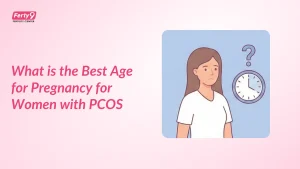
Biologically speaking, the peak fertile years for any woman—with or without PCOS—are between the ages of 25 and 30.
- Why? During this window, your egg quality is excellent, and your body is resilient enough to handle hormonal shifts.
- The PCOS Advantage: In your 20s, even if you have irregular periods, you likely have a very high “Ovarian Reserve” (egg count). Women with PCOS often have more eggs than average. If we can help you ovulate (release the egg) with simple medication, your chances of getting pregnant in this age group are very high.
Age 30 to 35: Still a Good Time
In modern India, many women are choosing to start families in their early 30s.
- The Scenario: Fertility naturally starts to dip slightly after 30, but for women with PCOS, this period is often quite stable.
- A Surprising Fact: Some research suggests that women with PCOS might actually stay fertile longer than women without it. As you age, your high androgen (male hormone) levels drop naturally, which can sometimes make your menstrual cycles become more regular in your 30s than they were in your 20s!
Age 35 and Beyond: The “Advanced Maternal Age”
Once you cross 35, the fertility curve drops more steeply.
- The Double Challenge: Now, you are not just fighting the hormonal imbalance of PCOS; you are also fighting Egg Quality.
- Risks: The risk of miscarriage and gestational diabetes (which is already higher in PCOS patients) increases significantly after 35.
- The Advice: If you are over 35 and have PCOS, we recommend visiting a specialist immediately rather than trying naturally for months. Treatments like IUI or IVF yield better success rates if started early.
Does PCOS Make Me Infertile?
No. This is the biggest myth. PCOS does not mean you are infertile; it means you are sub-fertile.
- The Problem: You have the eggs, but your body isn’t releasing them every month (Anovulation).
- The Fix: We simply need to “wake up” the ovaries. With lifestyle changes and Ovulation Induction medicines, most women with PCOS conceive successfully.
Steps to Plan Your Pregnancy by Age
If You Are Under 30:
- Focus on Lifestyle: The best treatment right now is weight management. Losing just 5-10% of body weight can restart your periods naturally.
- Don’t Rush, But Don’t Wait: You have time, but don’t ignore irregular periods. Keep a track of your cycle.
- Your Pre-Conception Checklist: Regardless of your age, if you have PCOS, start these 3 months before planning a baby:
o Start Folic Acid: To prevent birth defects.
o Check Vitamin D: Low levels are common in PCOS and affect egg quality.
o Blood Sugar Test: Ensure your HbA1c is under control to prevent miscarriage.
If You Are 30–35:
- Track Ovulation: Use ovulation kits or follicular scans to know if you are releasing eggs.
- Seek Help Early: If you have tried for 6 months without success, see a doctor. You might need Metformin or Letrozole to boost ovulation.
If You Are Over 35:
- Be Aggressive: Don’t waste time on home remedies.
- Check AMH: Get an AMH Test to see your remaining egg supply.
- Consider Treatment: IVF is highly successful for PCOS patients in this age group because we can often retrieve a high number of eggs.
Not Ready Yet? Consider “Social Freezing”
If you are in your mid-20s and diagnosed with PCOS, but marriage or career plans are your priority right now, you don’t have to compromise.
- Egg Freezing: You can choose to freeze your healthy young eggs now and use them later in your 30s.
- Why it helps: Since women with PCOS often have a high number of eggs, they are excellent candidates for egg freezing. This effectively “locks in” your fertility at age 25, even if you decide to become a mother at 35.
The Emotional Side: Managing “Fertility Anxiety”
It is normal to feel stressed when you read about biological clocks, but stress itself can worsen PCOS symptoms by raising Cortisol levels.
- Don’t Suffer Alone: If the pressure to conceive is affecting your mental peace, talk to a counselor at Ferty9.
- Stress Management: Simple practices like Yoga or Mindfulness can actually help lower androgen levels and improve ovulation naturally.
Summary
So, what is the best age? Sooner is usually better, ideally before 32.
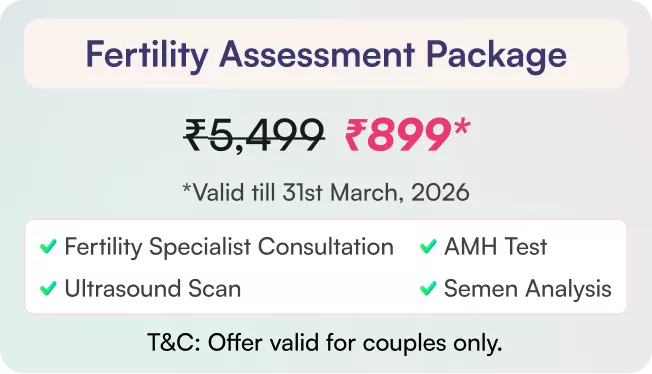
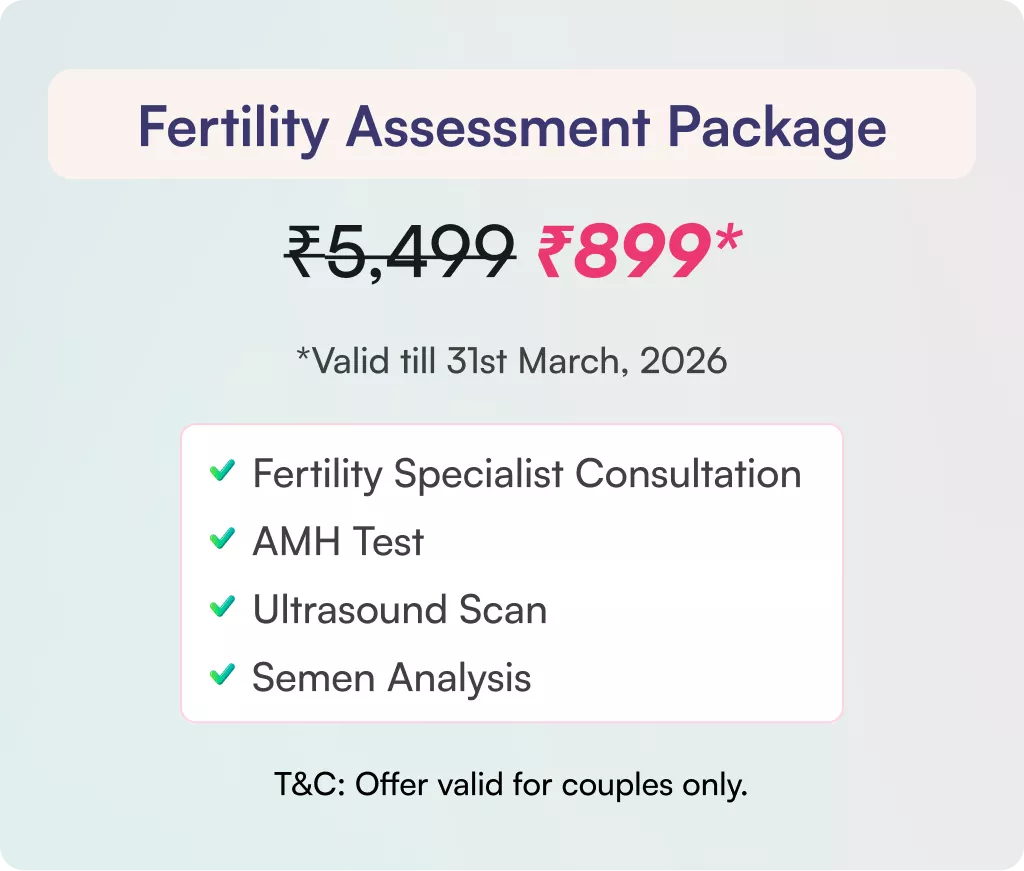
However, having PCOS does not mean your door closes at 30. With the high egg count typical of PCOS, you often have a longer runway than others—provided you manage your weight and hormones correctly. Not sure where you stand? Your age is just a number; your hormonal profile tells the real story. Book a fertility assessment at Ferty9 Fertility Center today to create a pregnancy plan that fits your life.









 No need to worry, your data is 100% safe with us!