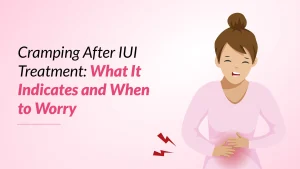




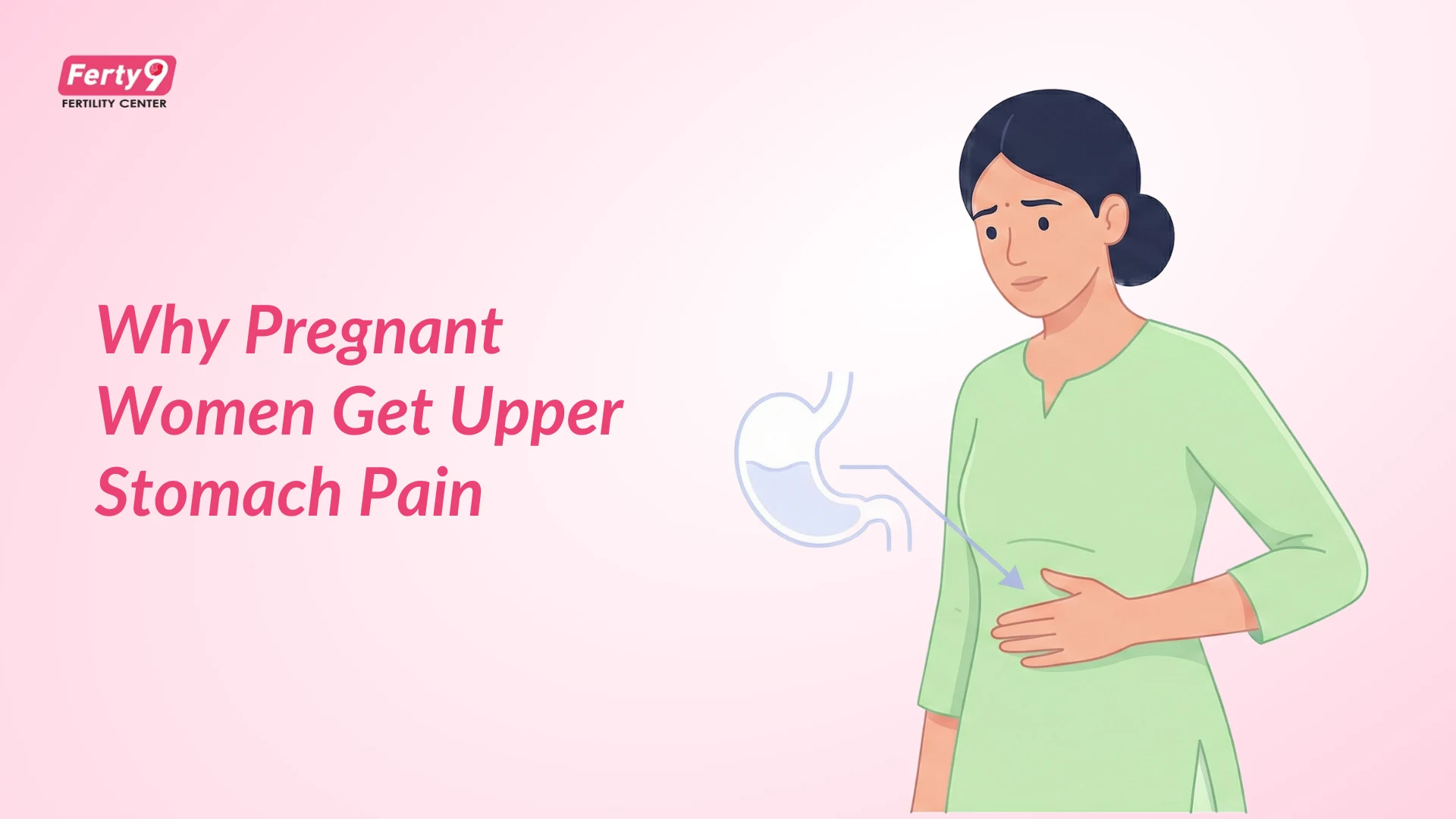
Pregnancy is a beautiful journey, but it comes with its fair share of aches and pains. As your baby grows and your body changes, it is completely normal to feel discomfort in various places, including your back, hips, and stomach. While mild cramps or lower abdominal stretching are often expected, pain in the upper stomach (just below your ribs) can be more confusing and worrying for expectant mothers.
Why Upper Stomach Pain Deserves Attention
Most of the time, upper stomach pain is harmless—caused by your growing baby pushing against your stomach or simple indigestion. However, in some cases, it can be a “red flag” for serious conditions like severe high blood pressure (preeclampsia). Understanding the difference between normal discomfort and a medical emergency is crucial for keeping both you and your baby safe.
Normal Causes of Upper Stomach Pain During Pregnancy
Hormonal Changes and Digestion
From the moment you conceive, your body is flooded with hormones like progesterone. This hormone relaxes your muscles to accommodate the baby, but it also slows down your digestion. This sluggish digestion is often the primary culprit behind discomfort in the upper belly.
Stretching Uterus and Ligaments
As your baby grows, your uterus expands upward. By the third trimester, it pushes significantly against your stomach and ribs. This pressure can cause a dull ache or sharp sensation under the ribs as your skin and muscles stretch to make room.
Acid Reflux and Heartburn
This is extremely common in Indian households due to our spicy cuisine. The valve between your stomach and food pipe relaxes during pregnancy, allowing stomach acid to rise up. This causes a burning sensation in the upper chest and stomach, often worse after heavy meals.
Constipation and Gas
Slow digestion means food stays in your gut longer, leading to gas buildup and constipation. Trapped gas in the upper intestines can cause sharp, stabbing pains that can feel quite alarming but are usually harmless.
Gastrointestinal Causes
Indigestion and Bloating
Eating large meals or oily, fried foods can lead to indigestion. You might feel an uncomfortable fullness, bloating, or gnawing pain in the upper abdomen.
Gallstones During Pregnancy
Pregnancy hormones can affect your gallbladder, slowing its function and leading to the formation of gallstones. If you feel sharp, intense pain in the upper right side of your stomach (especially after eating a fatty meal), it could be a gallstone attack.
Pancreatitis (Rare but Serious)
Though rare, inflammation of the pancreas can occur during pregnancy. It causes severe, persistent pain in the upper middle abdomen that often radiates to the back, accompanied by nausea and vomiting.
Pregnancy-Related Medical Conditions
Preeclampsia and High Blood Pressure
This is the most serious cause we screen for. Preeclampsia is a condition characterized by high blood pressure and damage to organs like the liver. One of its classic warning signs is severe, persistent pain in the upper right quadrant (just under the right ribs). This pain does not go away with antacids or rest.
HELLP Syndrome
HELLP stands for Haemolysis, Elevated Liver enzymes, and Low Platelet count. It is a severe, life-threatening form of preeclampsia. Upper stomach pain, along with nausea and headache, is a key symptom.
Liver Complications (Fatty Liver of Pregnancy)
Acute Fatty Liver of Pregnancy (AFLP) is a rare condition that affects the liver’s ability to break down fats. It can cause pain in the upper abdomen, jaundice (yellowing of skin/eyes), and extreme fatigue.
Musculoskeletal Causes
Muscle Strain and Back Pain
Your abdominal muscles separate and stretch to accommodate the baby. This strain can sometimes be felt high up in the stomach area. Additionally, back pain can sometimes radiate forward to the upper abdomen.
Rib and Diaphragm Pressure
In the third trimester, your baby might be kicking or pushing their feet directly into your ribs or diaphragm. This can cause sharp, sudden pains or a feeling of breathlessness.
When Upper Stomach Pain Is an Emergency
Signs You Should Go to the Hospital
Do not ignore the pain if it is new, severe, or persistent. Go to the hospital immediately if you experience:
- Pain under the right ribs that doesn’t go away.
- Vision changes (blurriness or seeing spots).
- Sudden, severe swelling of the face or hands.
- Difficulty breathing.
Severe Pain, Vomiting, or Fever
If the pain is accompanied by fever or uncontrollable vomiting, it could indicate an infection, appendicitis (though typically lower pain, the appendix moves during pregnancy), or a gallbladder issue.
Abnormal Swelling or Headache
A severe headache that won’t go away with simple painkillers, combined with upper stomach pain, is a major warning sign for high blood pressure complications.
How to Manage Mild Upper Stomach Pain at Home
Diet Adjustments
- Eat Small: Switch from three large meals to 5-6 small meals a day.
- Go Bland: Avoid overly spicy, oily, or fried foods (like pickles or samosas) that trigger acidity.
- Fiber Up: Eat plenty of leafy greens and fruits to prevent constipation.
Gentle Exercise and Stretching
Gentle prenatal yoga or walking can help move trapped gas and improve digestion. Stretching your arms over your head can also relieve rib pressure by creating a little more space for the baby.
Hydration and Small Meals
Drink plenty of water, but try to drink between meals rather than with meals to prevent overfilling your stomach. Warm water or ginger tea (in moderate amounts) can be very soothing.
Tips for Preventing Upper Stomach Pain During Pregnancy
Avoid Trigger Foods
Identify what upsets your stomach. For many Indian women, this might be excess masala, citrus fruits, or caffeine (tea/coffee). Avoid eating these right before you sleep.
Maintain Good Posture
Slouching compresses your stomach and gives the baby less room, increasing pressure on your ribs. Sit up straight to allow your digestive organs more space to work.
Relaxation Techniques and Prenatal Yoga
Stress can make digestion worse. Deep breathing exercises (Pranayama) and relaxation techniques can help calm your digestive system and reduce muscle tension.
Medical Treatments and Interventions
Medications Safe During Pregnancy
If home remedies fail, your doctor at Ferty9 may prescribe safe antacids or laxatives to help with heartburn and constipation.Avoid over-the-counter painkillers, especially NSAIDs, unless prescribed.
When a Doctor May Recommend Tests
If the pain persists, we may order:
- Blood Pressure Check: To rule out preeclampsia.
- Urine Test: To check for protein (another sign of preeclampsia) or UTIs.
- Ultrasound: To check the gallbladder, liver, and baby.
- Blood Work: To check liver function and platelet counts.
Monitoring Conditions Like Preeclampsia
If you are diagnosed with mild preeclampsia, you will need frequent monitoring, bed rest, and medication to manage blood pressure. Severe cases may require early delivery of the baby.
Lifestyle Changes That Can Help
Stress Management
High stress levels can increase stomach acid. Take time for yourself—read, listen to music, or meditate.
Sleeping Positions
Sleep on your left side. This is the best position for blood flow to the placenta and aids digestion. Propping yourself up with pillows can also prevent acid reflux at night.
Regular Prenatal Checkups
Never skip an appointment. Routine checks of your blood pressure and urine are the best way to catch serious issues like preeclampsia before they cause pain.
Summary
Upper stomach pain during pregnancy is a common complaint, often caused by the simple fact that your baby is growing and your digestion is slowing down. Simple changes to your diet and posture can often bring relief.However, never hesitate to trust your instincts. If the pain feels “wrong” or is accompanied by other symptoms like headache or swelling, contact your doctor at Ferty9 immediately. It is always better to be safe and get checked to ensure a healthy, happy pregnancy journey.