


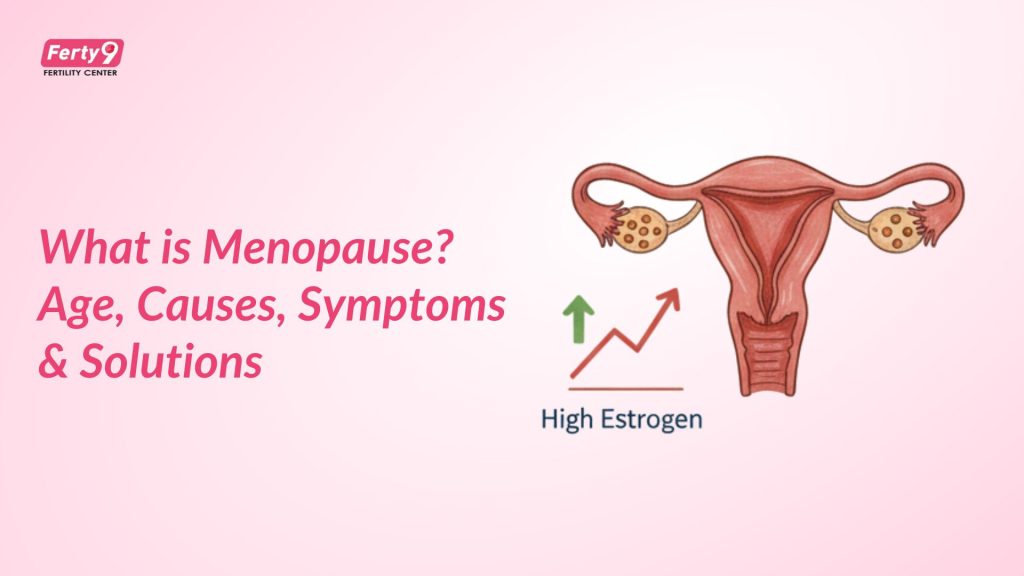
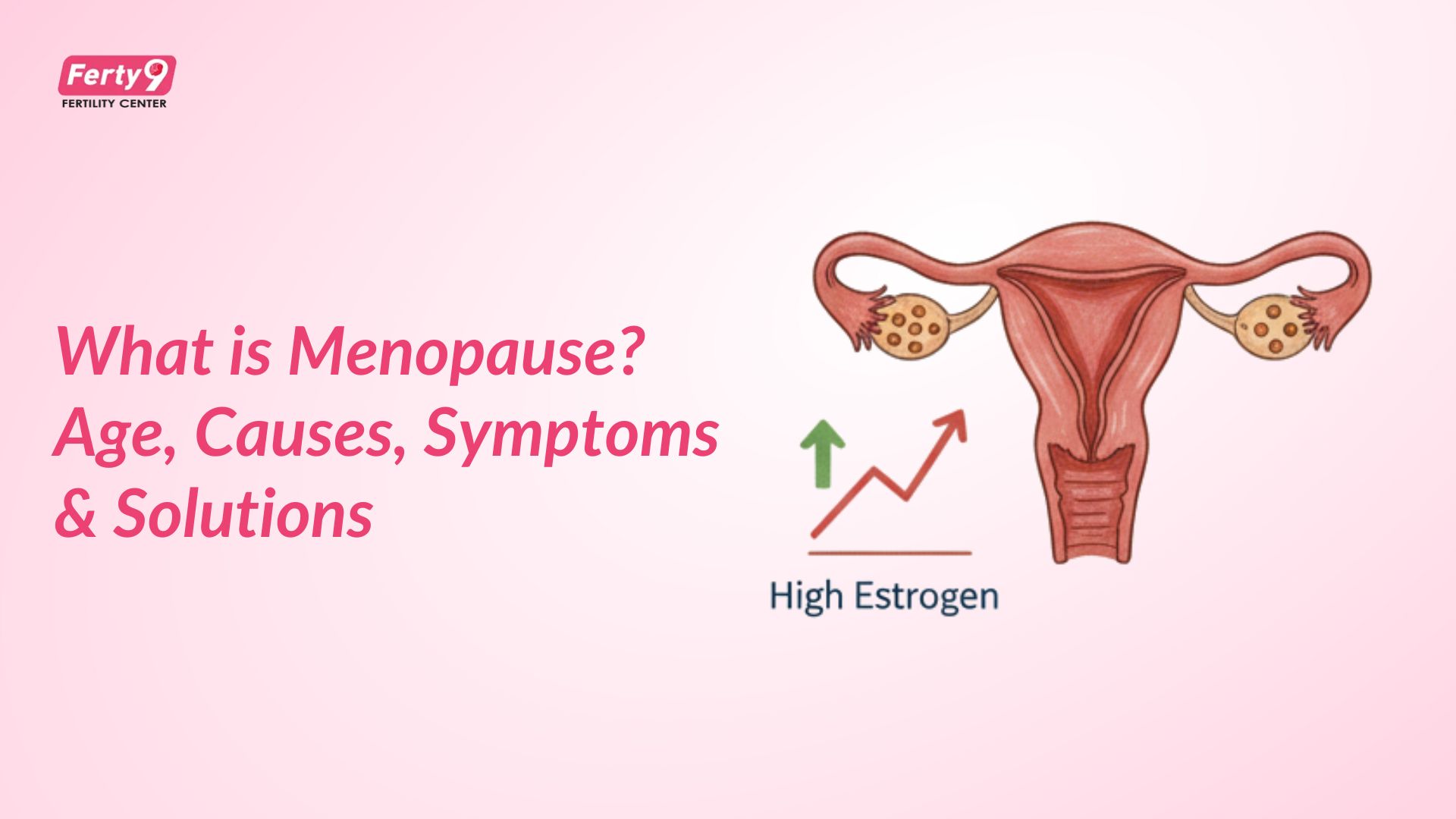
Menopause is a natural biological milestone in every woman’s life, marking the end of her reproductive years. Just as puberty marks the beginning, menopause marks the conclusion of the menstrual cycle.
While it typically occurs in the late 40s to early 50s, every woman’s experience is unique. For some, it arrives quietly; for others, it brings significant changes. It is important to remember that menopause is not a disease or a disorder—it is a normal phase of aging. However, it is accompanied by hormonal, physical, and emotional shifts that require care and understanding.
This guide helps to explain the age, causes, symptoms, and management of menopause clearly, helping you navigate this transition with confidence.
What is Menopause?
Definition: Menopause is medically defined as the permanent end of menstruation. You are considered to have reached menopause only after you have gone 12 consecutive months without a period.
This happens due to a natural decline in ovarian function. Your ovaries stop releasing eggs, and the production of reproductive hormones—primarily estrogen and progesterone—drops significantly.
To understand the process, it helps to know the three stages:
- Perimenopause: The transitional phase leading up to menopause. Periods become irregular, and symptoms may start. This can last for several years.
- Menopause: The specific point in time when you have not had a period for 12 months.
- Postmenopause: The years following menopause. During this stage, menopausal symptoms usually ease, but health risks like osteoporosis may increase.
At What Age Does Menopause Occur?
Globally, the average age for menopause is between 45 and 55 years. However, in India, women tend to reach menopause slightly earlier, typically between 46 and 49 years of age.
- Early Menopause: Occurs before the age of 45.
- Premature Menopause: Occurs before the age of 40.
Factors influencing the onset include:
- Genetics: If your mother reached menopause early, you might too.
- Lifestyle: Smoking can accelerate egg loss and lead to earlier menopause.
- Medical History: Chemotherapy or radiation can affect ovarian health.
- Surgery: Removal of the ovaries (oophorectomy) causes immediate menopause.
Causes of Menopause
- Natural Aging: The most common cause. As you age, your reproductive cycle naturally slows down and eventually stops.
- Surgical Menopause: If both ovaries are surgically removed, menstruation stops immediately, and symptoms appear quickly.
- Premature Ovarian Failure: In rare cases, the ovaries stop functioning normally before age 40 due to unknown reasons or autoimmune issues.
- Cancer Treatments: Chemotherapy and radiation can damage ovarian tissues, sometimes leading to temporary or permanent menopause.
Signs and Symptoms of Menopause
The symptoms of menopause are caused by changing hormone levels. They can be divided into three stages.
1. Early/Perimenopausal Symptoms
- Irregular periods (shorter or longer cycles).
- Heavier or lighter bleeding than usual.
- Mood swings similar to PMS.
2. Common Menopausal Symptoms
- Hot flashes and night sweats: A sudden feeling of heat in the upper body.
- Vaginal dryness: Can cause discomfort or pain during intercourse.
- Mood changes: Increased irritability, anxiety, or feelings of sadness.
- Sleep disturbances: Insomnia or waking up frequently due to night sweats.
- Weight gain: Many Indian women notice extra weight around the abdomen (belly fat) due to a slower metabolism.
- Hair and Skin: Thinning hair and drier skin.
- Reduced libido: Lower interest in intimacy.
3. Postmenopausal Changes
- Bone Health: Lower estrogen increases the risk of osteoporosis (weak, brittle bones).
- Heart Health: The risk of heart disease increases after menopause.
Emotional and Psychological Effects
Menopause is not just physical; it is emotional too. The drop in estrogen can affect serotonin (the “happy hormone”), leading to mood swings, anxiety, or depression.
In many Indian households, women suffer in silence due to stigma. It is vital to have open conversations with family and friends. Emotional support is just as important as medical treatment during this phase.
How Menopause Affects Fertility
Menopause marks the end of your natural ability to conceive. Once you have reached menopause (12 months without a period), you cannot get pregnant naturally.
Important Note: During perimenopause, even if your periods are irregular, you are still ovulating occasionally. This means pregnancy is still possible, though less likely. If you do not wish to conceive, continue using contraception until your doctor confirms menopause.
For women who wish to have children later in life, exploring fertility preservation (like egg freezing) before menopause is crucial. If menopause has already occurred, options like IVF with donor eggs at Ferty9 can be discussed.
Diagnosing Menopause
Doctors usually diagnose menopause based on your symptoms and your history of menstrual cycles. If you have skipped periods for 12 months and are in the typical age range, testing is often not needed.
However, if the diagnosis is unclear, blood tests may be done to check hormone levels:
- FSH (Follicle-Stimulating Hormone): Levels rise significantly during menopause.
- Estradiol (Estrogen): Levels fall.
- TSH (Thyroid Stimulating Hormone): Because thyroid problems can mimic menopause symptoms, this test helps rule them out.
Treatment and Management Options
Most women can manage menopause with lifestyle changes, but some may need medical help.
1. Lifestyle Modifications
- Diet: Eat a balanced diet rich in Calcium and Vitamin D (milk, curd, leafy greens) to protect bones. Include phytoestrogens like soy, flaxseeds, and lentils (dal), which naturally mimic estrogen.
- Exercise: Regular walking, strength training, or yoga helps manage weight, strengthen bones, and boost mood.
- Habits: Quit smoking and limit alcohol and caffeine, as these can trigger hot flashes.
2. Medical Treatments
- Hormone Replacement Therapy (HRT): Used for severe symptoms like intense hot flashes. It replaces the lost hormones. This is always prescribed by a doctor after evaluating risks.
- Non-hormonal medications: Certain medicines can help with mood and hot flashes if HRT is not suitable.
- Supplements: Calcium and Vitamin D supplements are often prescribed for bone health.
3. Natural & Alternative Remedies
- Yoga and Meditation: Highly recommended for reducing stress and improving sleep.
- Herbal Remedies: Some women find relief with natural supplements, though you should consult a doctor before taking them.
How to Cope with Menopause Emotionally and Socially
- Self-Care: Prioritize your mental well-being. Take time for hobbies and relaxation.
- Support Groups: Talking to other women going through the same phase can be incredibly validating.
- Communication: Talk to your partner about what you are feeling physically and emotionally to maintain intimacy and understanding.
When to Consult a Doctor
You should book an appointment at Ferty9 or see a gynecologist if:
- Your periods stop suddenly before age 40.
- You experience heavy or prolonged bleeding during perimenopause.
- Hot flashes or sleep issues are affecting your daily life.
- You feel depressed or anxious.
- You are concerned about bone health or heart risks.
Key Takeaways
- Menopause is a natural stage of life, not a medical crisis.
- It marks the end of fertility, but not the end of vitality or womanhood.
- Symptoms vary for everyone; manage them with a healthy diet, exercise, and medical support if needed.
- Early awareness helps you transition smoothly into this new phase of self-care and balance.








 No need to worry, your data is 100% safe with us!