When thinking about male infertility, many people assume there will be obvious signs. However, the reality is often different. Understanding what to look for and what you might not see—is the first step in addressing your fertility health.
Why Male Infertility is Often “Silent” In most cases, a man with infertility will not notice any outward signs. He can have a normal sex drive, get erections, and ejaculate just like anyone else. The problem is often microscopic, hidden within the sperm’s quality, quantity, or ability to move. This is why it’s often called a “silent” condition.
Most Common Symptom: Inability to Conceive The single most common and often only symptom of male infertility is the inability of a couple to get pregnant after a year of regular, unprotected intercourse. This lack of conception is the primary indicator that prompts a fertility evaluation for both partners.
When Normal Sexual Function Doesn’t Equal Fertility It’s a common misconception that if a man has no issues with sexual performance, his fertility must be fine. A man can have a healthy libido and normal erections but still have issues like zero sperm count (azoospermia) or poorly functioning sperm. Fertility is about the quality of sperm, not just sexual ability.
Primary Fertility Symptoms
These are the clinical definitions that guide a doctor’s diagnosis.
- Inability to conceive after 12+ months of trying: The standard timeframe for seeking a fertility consultation.
- Inability to conceive after 6+ months (if partner over 35): The timeframe is shorter as female fertility declines more rapidly with age.
- Previous pregnancy losses with partner: Recurrent miscarriages can sometimes be linked to problems with sperm DNA.
- History of conception difficulties with other partners: This can be an indicator of a long-standing fertility issue.
Sexual Function Symptoms
While not always present, issues with sexual function can be a direct symptom of an underlying problem.
Erection Problems
- Difficulty achieving erections (Erectile Dysfunction).
- Trouble maintaining erections long enough for intercourse.
- Reduced erection rigidity or firmness.
- A noticeable decrease in the frequency of morning erections.
Ejaculation Issues
- Premature ejaculation: Ejaculating too soon.
- Delayed or absent ejaculation: Difficulty or inability to ejaculate despite arousal.
- Retrograde ejaculation: Semen goes backward into the bladder instead of out of the penis. You might notice little to no semen and cloudy urine after orgasm.
- Reduced ejaculate volume: A significantly smaller amount of semen than usual.
- Painful ejaculation: Pain or burning sensation during or after ejaculation.
- No ejaculation despite orgasm: Experiencing an orgasm without any semen release (dry orgasm).
Low Libido Symptoms
- Decreased sexual desire or interest in sex.
- A loss of spontaneous sexual thoughts.
- A noticeable drop in how often you have sex.
- Difficulty becoming or staying aroused.
Physical Genital Symptoms
Changes you can see or feel in the genital area can be important clues.
Testicular Symptoms
- Small or abnormally sized testicles: May indicate issues with hormone production or sperm development.
- Testicular pain or discomfort: A persistent dull ache or sharp pain.
- Testicular swelling: One or both testicles appear larger than normal.
- Lumps or masses in testicles: Any new lump should be checked by a doctor immediately.
- One testicle is significantly smaller than the other.
- Missing testicle(s): An undescended testicle that was never corrected.
Scrotal Symptoms
- Scrotal swelling: A general feeling of fullness.
- Visible enlarged veins (varicocele signs): Often described as looking or feeling like a “bag of worms.”
- Scrotal pain or heaviness: A dull, dragging sensation, especially after standing for a long time.
- Fluid around testicles (hydrocele signs): Swelling that feels like a water balloon.
- Skin discoloration or other changes on the scrotum.
Penis Abnormalities
- Abnormal urethral opening (hypospadias): The opening is on the underside of the penis instead of the tip.
- Curved penis (Peyronie’s disease): A significant bend that can make intercourse painful or difficult.
- Foreskin problems: Inability to retract the foreskin (phimosis).
- Unusual penile discharge: Could be a sign of infection.
Hormonal Imbalance Symptoms
Hormones control sperm production, and an imbalance can cause symptoms throughout the body.
Low Testosterone Signs
- Chronic fatigue and a persistent lack of energy.
- Decreased muscle mass and strength.
- Increased body fat, especially around the belly.
- Mood changes, such as depression or irritability.
- General hair loss or thinning of body and facial hair.
- Hot flashes or night sweats.
- Sleep disturbances, like insomnia.
Other Hormonal Symptoms
- Breast enlargement or tenderness (gynecomastia).
- Loss of facial or body hair.
- A high-pitched voice.
- Difficulty building muscle despite working out.
- Problems with memory and concentration.
Pain Symptoms
Pain is your body’s way of signaling that something is wrong.
Genital Area Pain
- Chronic pelvic pain or a feeling of pressure.
- Pain or burning during urination.
- Pain during or after ejaculation.
- A persistent, dull ache in the testicles.
- Groin pain that may radiate to the back or thighs.
Associated Pain
- Lower back pain.
- General abdominal pain.
- Pain after sitting for long periods.
- Pain that gets worse with physical activity.
Urinary Symptoms
Problems with urination can be linked to the prostate gland or infections, both of which can affect fertility.
Urination Problems
- Needing to urinate more frequently than usual.
- A sudden, urgent need to urinate.
- Difficulty starting the urine stream.
- A weak or interrupted urine flow.
- A burning sensation during urination.
- Blood in the urine.
Prostate-Related Symptoms
- A feeling that your bladder isn’t completely empty after urinating.
- Waking up frequently at night to urinate.
- Dribbling after urination has finished.
- Painful urination.
Systemic Body Symptoms
Sometimes, symptoms are very general, reflecting an overall health issue that is also impacting your fertility.
- Chronic fatigue that isn’t relieved by rest.
- Reduced stamina and physical endurance.
- A general feeling of being unwell or “off.”
- Decreased motivation and drive.
- Sleep problems like insomnia or poor-quality sleep.
- Unexplained weight gain.
- Loss of muscle tone.
- Taking longer than usual to recover after exercise.
Psychological Symptoms
The journey of trying to conceive can be emotionally challenging and can cause its own set of symptoms.
- Feelings of depression or persistent sadness.
- High levels of anxiety, especially related to fertility.
- Overwhelming stress from the pressure to conceive.
- Irritability or frequent mood swings.
- A loss of confidence or self-esteem.
- Performance anxiety during sex.
- Tension in your relationship over fertility issues.
Age-Related Symptoms
Symptoms in Men Over 40
- A gradual decline in sexual function or libido.
- Taking longer to recover from illness or physical exertion.
- Changes in sleep patterns.
- An increased need to urinate, especially at night.
Early Development Symptoms
- Signs of delayed puberty (no voice deepening, lack of hair growth).
- Absence of secondary sexual characteristics in late teens.
- Growth delays during the teenage years.
Associated Medical Symptoms
Symptoms in other parts of the body can point to an underlying condition affecting fertility.
Respiratory Signs (Cystic Fibrosis Related)
- A chronic cough or frequent lung infections.
- Persistent sinus problems.
- Nasal polyps.
Metabolic Signs (Diabetes Related)
- Excessive thirst and frequent urination.
- Unexplained weight loss or gain.
- Changes in appetite.
Autoimmune Signs
- Joint pain or swelling.
- Unexplained skin rashes.
- Getting sick or having infections frequently.
Condition-Specific Symptom Patterns
Sometimes, symptoms appear in clusters that point to a specific cause.
Varicocele Symptoms
- A dull, aching pain or feeling of heaviness in the scrotum.
- Swelling that worsens after standing or exercising and improves when lying down.
- Visible veins that look like a “bag of worms.”
Hormonal Disorder Symptoms
- A combination of low energy, mood changes, and low libido.
- Symptoms that develop gradually over months or years.
- Effects that are felt throughout the body, not just in the genital area.
Infection-Related Symptoms
- Genital pain, swelling, discharge, or sores.
- Fever, chills, or a general feeling of being sick.
- A burning sensation during urination.
- Symptoms that started suddenly.
Warning Symptoms Requiring Immediate Attention
Some symptoms are “red flags” and require you to see a doctor right away.
Emergency Symptoms
- Sudden, severe testicular pain.
- Testicular swelling accompanied by fever, nausea, or vomiting.
- Visible blood in your semen or urine.
- A sudden and complete inability to get an erection.
- Severe pain in the pelvic or abdominal area.
Concerning Changes
- A rapid and unexplained onset of sexual problems.
- Any new lump or mass you can feel in your testicles or scrotum.
- Significant changes in the colour, smell, or amount of your ejaculate.
- An unexplained fever along with any genital symptoms.
Absence of Symptoms (Silent Infertility)
Asymptomatic Male Infertility It is crucial to remember that a man can have severe infertility with absolutely no symptoms.
- You can have a normal sex drive and perfect sexual function but still have fertility problems.
- You may have no physical abnormalities.
- Your hormone levels might be in the normal range.
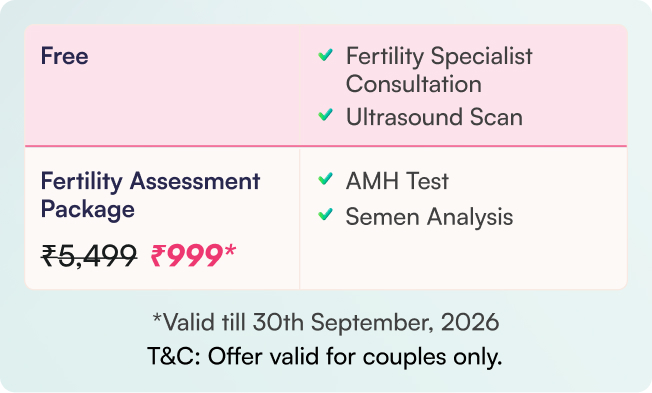
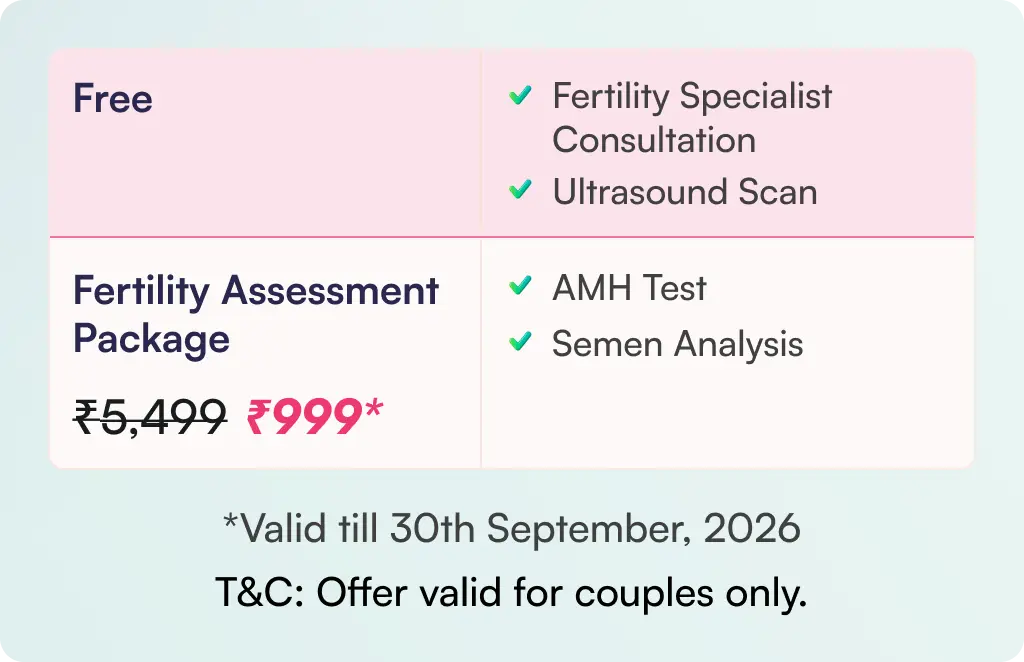
This is why testing is essential, even if you feel perfectly healthy. The only way to truly know if there is a male factor involved is through a professional evaluation, starting with a simple semen analysis.




 No need to worry, your data is 100% safe with us!