



As Father’s Day approaches, many men yearn to celebrate it not just as sons but as fathers themselves – however, the path to fatherhood can be hindered by infertility. In a world where approximately 15% of couples encounter difficulties conceiving, the issue of male infertility emerges as a crucial but unfortunately often overlooked aspect.
Therefore, this Father’s Day, we’re focusing on the issue of infertility that males often face. Our article dives into the realities of male infertility, its causes, and the innovative fertility treatments that can help turn the dream of fatherhood into reality by the next Father’s Day.
- Male Infertility Is Treatable – Male infertility is a common medical condition, and many causes can be identified and treated with the right diagnosis and fertility care.
- Early Testing Helps Find the Cause – A fertility evaluation, including semen analysis and medical assessment, helps identify factors affecting fertility and guides the most suitable treatment.
- Healthy Habits Improve Fertility – Eating a balanced diet, exercising regularly, managing stress, getting enough sleep, and avoiding smoking and excessive alcohol can support sperm health.
- Advanced Fertility Treatments Offer Hope – Assisted reproductive treatments can help many men overcome fertility challenges and improve their chances of becoming a father.
- Emotional Support Matters – Open communication, family support, and professional counselling can help men cope with the emotional impact of infertility throughout their fertility journey.
Is Male Infertility More Common Than Female Infertility?
While often associated with women, infertility in males is a prevalent issue that deserves attention. Contrary to popular belief, male infertility is more common than many realize, with studies suggesting male infertility contributes to about 50% of all cases of infertility.
It’s important to note that male and female infertility can sometimes coexist within a couple, making it more difficult to conceive. Needless to say, you need both partners’ support during pregnancy for emotional well-being.
Therefore, comprehensive fertility evaluations should include assessments of both partners to identify any underlying issues, followed by treatments like IVF and ICSI for men and women.
What is the Most Common Cause of Infertility in Men Today?
While most couples are generally more keen on solutions, knowing the key causes helps you tackle the problem of infertility better. Several factors come into play while assessing the causes of male infertility.
Perhaps the most common cause of male infertility is oligospermia or low sperm count. This condition refers to a reduced number of sperm in the ejaculate, making it more challenging for couples to conceive. This could be idiopathic (no clear cause), or it could be due to:
- Conditions like varicocele, characterized by enlarged veins that provide blood circulation to the testicles, can adversely affect sperm production if they are of a significant grade.
- Additionally, hormonal imbalances, toxin exposure, autoimmune diseases, medical conditions such as diabetes and hypertension, genetic disorders, infections, lifestyle factors (like excessive smoking or alcohol consumption), and obesity can also contribute to infertility.
Related Read: 5 Tips to Increase Male Fertility
Exploring Fertility Treatment Options for Men
Fertility treatments for men have helped males combat infertility-related issues—and have helped them get their share of the much-desired Happy Father’s Day wishes while waving goodbye to the stress of infertility.
Our detailed approach to male infertility treatment involves a sequence of thorough evaluations designed to provide personalized care for each patient, beginning with these key tests:
- Physical examination and scrotal scan: The first step is to conduct a physical examination and scrotal ultrasound scan. This test checks for any abnormality in the scrotum.
- Sperm function test: Sperm function tests help in assessing the strength and health of the sperm. This test helps check the sperm’s ability to fertilize an egg.
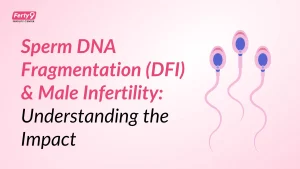
- Sperm DNA Fragmentation Index Test: This test helps determine the sperm’s ability to produce a successful pregnancy. It is also crucial for planning future treatment for infertility.
- Genetic testing: Genetic testing of sperm helps in understanding any chromosomal abnormality in the male, which can be transferred to the embryo after fertilization.
- Acrosome Intact Test & Zona Binding Assay: These tests provide a more precise understanding and analysis of fertility issues. Additionally, it assists in evaluating the functionality of sperm.
- PESA: In this process, the strongest sperm is directly extracted through the epididymis through a minimally invasive technique to increase the chances of conception.
- TESA: This process involves extracting sperm from the testicles, followed by evaluating the sperm. The strongest and most viable sperm is then injected into the uterus.
- TESE: TESE and Micro-TESE are processes where the sperm is closely evaluated after extraction to increase the chances of conception.
Alongside these tests, medical professionals can devise fertility treatment options after assessment, and these treatments can help men experience parenthood on the next Father’s Day.
Suggested Read: Boosting Naturally Male Fertility with Diet, Lifestyle Changes
Understanding ICSI in Men
Intracytoplasmic Sperm Injection (ICSI) is a fertility treatment for men that offers hope to couples struggling with male infertility. Unlike traditional in vitro fertilization, where sperm and egg are combined in a dish and left to fertilize naturally, ICSI involves the direct injection of a single sperm into an egg. This technique bypasses many of the barriers posed by male infertility, making it an effective option for couples facing sperm-related challenges.
ICSI is advantageous for men experiencing severe sperm abnormalities, such as low sperm count or poor sperm motility.
Suggested Read: How does nutrition affect male fertility?
Final Thoughts
While often overshadowed by discussions of female infertility, male reproductive health is equally deserving of attention and intervention. By understanding the common causes of male infertility, recognizing its prevalence, and exploring advanced treatment options like ICSI, this Father’s Day, we pledge to offer fertility treatments for men so that they can be fathers, too!





















 No need to worry, your data is 100% safe with us!