


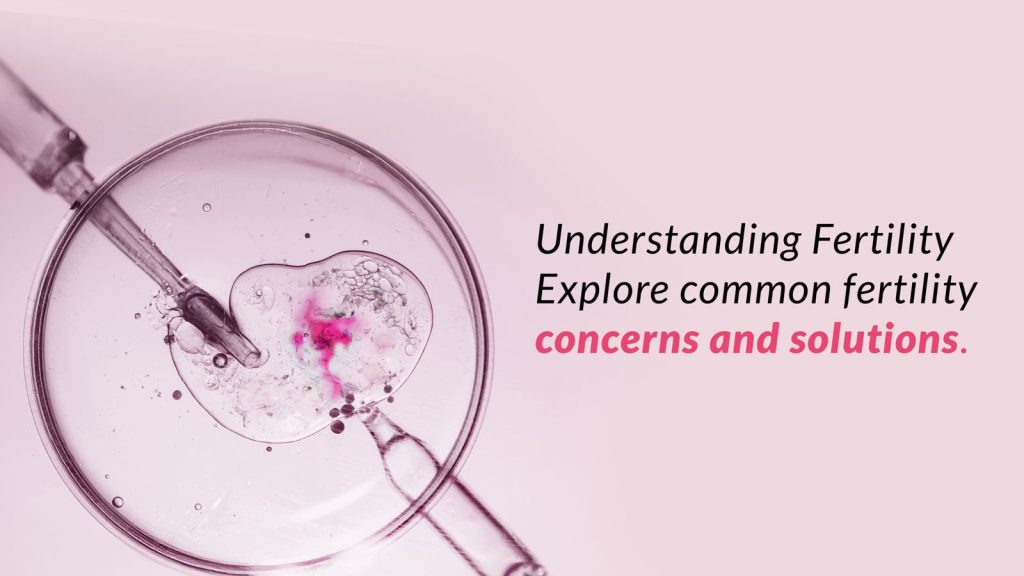
Researchers have indeed managed to find a way to make sperm from sperm stem cells in mice, thus giving hope that young boys do get treated for childhood cancer that is frequently left infertile, may be able to have children as adults.
Earlier, only males who had attained puberty by the time period of treatment were also rather able to donate sperm for freezing and also for future use; on the other hand, the new research does indeed suggest that preservation of fertility for even young boys may actually be possible.
In fact, there have not been any fertility preservation options for prepubescent boys during a certain type of experimentation that was being conducted to ascertain the observations made here.
It has been further been observed that one in 530 young adults in the U.S. happens to be a survivor who does experience a variety of long-term effects. Fertility issues are of course reasonably common and also three-times more male survivors do experience them than female survivors. Both certain chemotherapies, as well as radiation therapy, can indeed kill the cells that do produce sperm and also render males infertile.
Earlier research has indeed shown that it was possible to perform a transplant of sperm stem cells from donors into the testes of infertile mice, thus restoring their fertility. However, the testes of prepubescent boys do contain so few immature sperm cells that it would be impossible to do this without actually multiplying them in the lab.
It has also been observed that by isolating particular cells from the tests referred to as endothelial cells, which have been found to be critical in supporting the growth of the immature sperm cells. Efforts have been also made to a cocktail of 5 key proteins thus produced by these endothelial cells that were essential in order to keep the sperm stem cells alive and also replicate them on a long-term basis. Furthermore, tests were conducted on the method in infertile mice and were also able to restore fertility, which has been proven by the male mice that have been fathering pups.
For years, in fact, researchers have indeed been trying to find ways to grow and also expand these cells from testicular biopsies that have been donated by young patients much prior to their cancer treatment, but until now, there has in fact not been a consistently successful approach.
This initial research was done actually on mice and has yet to be proven in humans. Yet, the researchers have indeed hoped that they would be able to take small samples of these immature sperm cells from prepubescent boys undergoing cancer therapy, bulk them up in the lab and than also freeze them for survivors.
Our next step is to determine whether we can re-inject or engraft the expanded sperm-producing stem cells into patients after they are indeed cancer free.
It is but obvious that one would like to retain fertility levels after cancer treatment and too among boys. Men also and so also boys would prefer to keep fertility issues on the low profile.
Contact our Ferty9 experts at Fertility clinic in Hyderabad to get good suggestions about this !




















 No need to worry, your data is 100% safe with us!